Maintaining Weight Loss After GLP-1: A Comprehensive Guide to Long-Term Success
Learn to maintain weight loss after GLP-1 treatment with strategies for diet, exercise, and support systems for a sustainable, healthy lifestyle.

Estimated reading time: 10 minutes
Key Takeaways
- GLP-1 agonists support weight loss by enhancing satiety and reducing appetite.
- Stopping therapy without a solid lifestyle plan often leads to weight regain.
- Balanced nutrition and regular exercise are critical for long-term success with GLP-1 therapy.
- Professional check-ins and peer support improve accountability.
- SMART goals and monitoring tools like Trimm help track progress.
Table of Contents
- Understanding GLP-1 Treatment
- Challenges Following GLP-1 Treatment
- Evidence-Based Strategies
- Integrating Diet and Exercise
- Monitoring Progress and Support
Understanding GLP-1 Treatment
GLP-1 (glucagon-like peptide-1) is a natural incretin hormone that regulates blood sugar and appetite. As an agonist drug, it slows gastric emptying and activates fullness signals.
Key Mechanisms:
- Slowed gastric emptying increases satiety.
- Reduced hunger cues in the brain lower calorie intake.
Clinical Benefits Beyond Weight Loss:
- Improved glycemic control in type 2 diabetes
- Lower blood pressure and improved lipid profiles
- Reduced fatty liver and cardiovascular risk
Common Side Effects: nausea, vomiting, constipation or diarrhea, fatigue, dizziness. These usually abate with dose adjustment and proper nutrition monitoring.
Sources: Cleveland Clinic, Intermountain Healthcare, Harvard Health.
Challenges Following GLP-1 Treatment
Many patients regain weight once GLP-1 levels drop. Clinical trials show that without ongoing support, weight returns within months.
Physiological Reasons: appetite returns, and satiety signals weaken. Behavioral Hurdles: sustaining new eating patterns and activity levels can be difficult without structure.
Sources: Henry Ford Health, National Academy of Medicine, Mayo Clinic Community.
Evidence-Based Strategies
Long-term success requires pairing GLP-1 therapy with sustainable lifestyle changes. For a comprehensive approach, see our holistic guide to sustainable weight loss with GLP-1.
Balanced Meals:
- 25–30 g protein per meal to preserve muscle
- 25–35 g fiber daily from vegetables, fruits, and whole grains
- Healthy fats (olive oil, nuts) for fullness
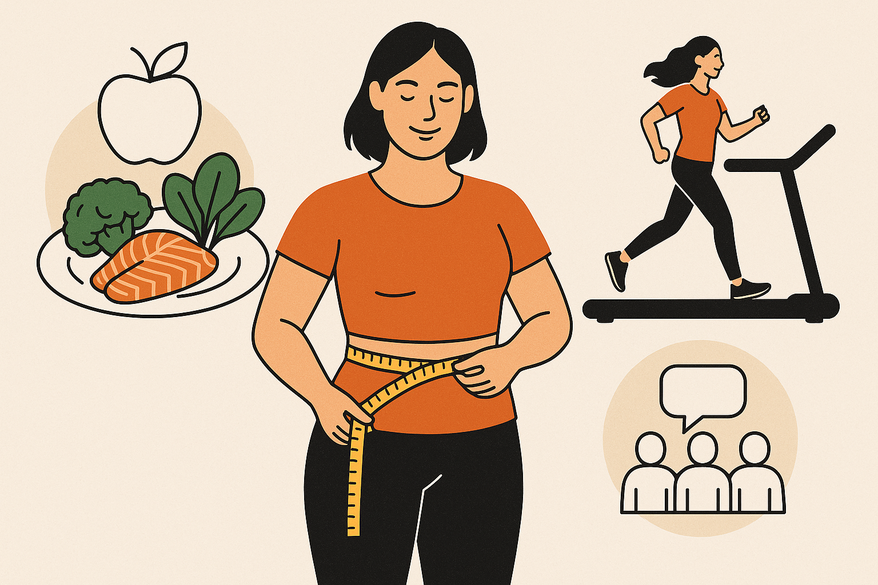
Regular Physical Activity: ≥150 minutes/week moderate aerobic exercise and 2–3 strength sessions/week.
Mindful Eating: eat slowly, focus on hunger/fullness cues, avoid distractions.
Meal Planning: batch-cook proteins and vegetables; prep grab-and-go snacks; use our GLP-1 meal plan guide.
Professional Check-Ins: schedule dietitian or clinician visits every 4–12 weeks.
SMART Goals: Specific, Measurable, Achievable, Relevant, Time-bound.
Sources: Intermountain Healthcare, Mayo Clinic Community, Henry Ford Health.
Integrating Diet and Exercise
Diet controls calories and appetite while exercise preserves lean mass and boosts metabolism. For more on building sustainable habits, see our comprehensive guide to lifestyle modifications for GLP-1 users.
Dietary Approaches: nutrient-dense meals, 1.2–1.5 g protein/kg body weight daily, >25 g fiber/day. For more details, see the best diet for GLP-1 therapy.
Exercise Routines: 30 min brisk walking 5 days/week, resistance training 2–3×/week, optional yoga or HIIT.
Habit Formation: schedule workouts, log in a health app, reward consistency. For a step-by-step approach, see our guide to building habits for GLP-1 success. Establishing a consistent routine is also crucial for therapy adherence; explore these practical strategies for GLP-1 routine building to help you stay on track. If you want to maximize your results, consider combining GLP-1 therapy with fasting for optimal weight loss as part of your regimen. If you want to learn more about how to manage your medication schedule and avoid missed doses, check out these practical strategies for managing GLP-1 refills effectively. If you’re curious about how your unique body type might influence your weight loss journey, our ultimate body-positive guide to body types and shapes can help you tailor your approach.
Sources: National Academy of Medicine, Intermountain Healthcare.
Monitoring Progress and Support
Accountability keeps you on track:
- Weekly weigh-ins
- Food/exercise logs (apps like MyFitnessPal)
- Body measurements and progress photos
To simplify logging, consider Trimm. Trimm turns your GLP-1 data into trend lines, projected goals, and milestone celebrations.
Learn more with our complete guide to tracking your GLP-1 weight loss journey.
Professional Support: primary care for labs, dietitian for nutrition, health coach for accountability.
Peer Support: group programs, accountability partner, online communities. If you need help staying on track, explore our practical strategies for staying motivated with GLP-1 therapy or check out our practical guide to long-term success with GLP-1 therapy. For additional strategies, see these GLP-1 medication adherence tips for long-term success. For those looking to maintain their progress after stopping medication, don't miss these essential post-GLP-1 maintenance tips to sustain your weight loss. If you want to better understand the medications, results, and safety considerations, see our definitive guide to GLP-1 weight loss. For those interested in how GLP-1 therapy can impact mental wellness and body image, check out our comprehensive guide to GLP-1 mental wellness and body image support. You can also find encouragement and accountability by joining one of the best GLP-1 support groups for lasting results. If you want to learn more about the essential role of community support in your journey, read about GLP-1 community support for long-term success. If you’re looking for ways to build sustainable habits that last beyond medication, our guide to behavior change with GLP-1 therapy offers actionable strategies for lasting results. If you’re unsure whether you’re at a healthy weight or want to set realistic goals, check out our complete guide to determining if you are at a healthy weight for evidence-based tips.
Sources: Intermountain Healthcare, Mayo Clinic Community.
FAQ
- What happens if I stop GLP-1 treatment?
Without lifestyle habits in place, most people regain weight lost on GLP-1 (NAM). - Can diet and exercise replace GLP-1 medication?
Best results occur when medication and lifestyle changes work together (Intermountain Healthcare). - Do I need to stay on GLP-1 forever?
Obesity is chronic; some may require long-term use to prevent regain (Mayo Clinic Community). - What should I ask my doctor?
Inquire about tapering plans, nutrition targets, exercise goals, and monitoring frequency (Henry Ford Health).