Building Habits for GLP-1 Success: A Step-by-Step Guide
Discover how building habits for GLP-1 success can transform your metabolic health. Learn strategies for sustainable weight loss and lifelong wellness.


Estimated reading time: 10 minutes
Key Takeaways
- GLP-1 therapies mimic a natural gut hormone to curb appetite, slow gastric emptying, and improve insulin secretion.
- Medication is a powerful tool, not a solution; lasting results require structured habit formation.
- Five pillars—nutrition, movement, sleep, stress management, and self-monitoring—optimize GLP-1 benefits.
- Behavior-change techniques like SMART goals, habit stacking, and accountability amplify sustainable success.
- Overcoming challenges—side effects, time constraints, emotional eating—ensures long-term adherence.
Table of Contents
- 1. Understanding GLP-1 Therapy for Habit Building
- 2. The Role of Habits in GLP-1 Success
- 3. Key Habits to Support GLP-1 Therapy
- 4. Strategies for Building New Habits
- 5. Overcoming Challenges in Habit Formation
- 6. Sustaining Long-Term Success
- Conclusion & Next Steps
- Additional Resources
1. Understanding GLP-1 Therapy for Habit Building
Glucagon-like peptide-1 (GLP-1) receptor agonist therapy mimics a natural gut hormone to:
- Slow gastric emptying for prolonged fullness
- Stimulate insulin release and suppress glucagon
- Reduce appetite and overall food intake
Common medications include semaglutide (Wegovy, Ozempic) and tirzepatide (Mounjaro). Primary benefits are meaningful weight loss, better blood sugar management, and reduced cravings. Outcomes hinge on daily habits—nutrition, movement, sleep, and stress coping routines.
2. The Role of Habits in GLP-1 Success
GLP-1 therapies are tools, not solutions. They suppress appetite to free up mental bandwidth for:
- Mindful eating and portion control
- Incorporating new routines like regular walks or strength sessions
- Turning repeated behaviors into default habits once therapy tapers
Combining medication with behavior change—nutrition planning, consistent movement, and environment design—yields superior weight and metabolic outcomes.
3. Key Habits to Support GLP-1 Therapy
3.1 Nutrition Habits
- Protein-first focus: 25–30 g per main meal to preserve muscle and boost satiety.
- Fiber-rich choices: vegetables, whole grains, legumes to aid digestion.
- Healthy fats: avocado, olive oil, nuts, fatty fish for nutrient absorption.
- Mindful eating: chew slowly, pause mid-meal, avoid screens.
Daily examples include a “protein-first” rule, fixed mealtimes (3 meals + 1 snack), and a kitchen closing time to prevent late-night grazing. For more tips, see 10 Essential GLP-1 Nutrition Tips.
3.2 Movement & Exercise Habits
- Strength training 2–4×/week: squats, presses, rows with progressive overload.
- Daily steps goal: 8,000–10,000 steps or hourly movement breaks.
- Post-meal 10-minute walks for glucose control.
3.3 Sleep Habits
- Consistent sleep schedule: same bedtime and wake time.
- 7–9 hours per night.
- Pre-bed routine: dim lights and no screens 30–60 minutes before sleep.
3.4 Stress Management & Emotional Health
- Identify triggers: boredom, loneliness, stress.
- Use HALT (Hungry, Angry, Lonely, Tired) before eating.
- Daily micro-practices: 5–10 minutes of breathing, meditation, or journaling.
3.5 Self-Monitoring & Environment Design
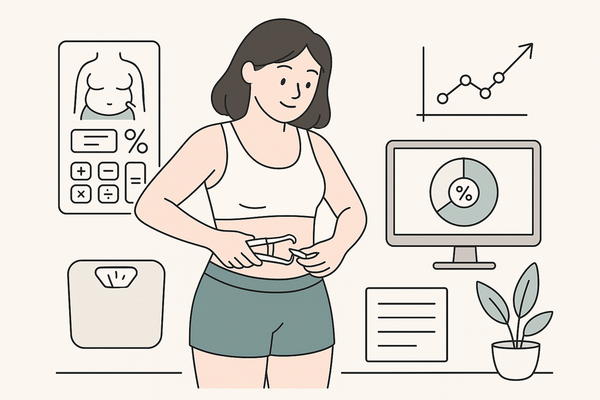
- Weekly weigh-ins or waist measurements.
- Habit or food journaling for increased awareness.
- Pre-portion snacks, hide temptations, and meal prep.
- Use smaller plates to control portions.
Learn comprehensive tracking in this complete guide.
4. Strategies for Building New Habits
4.1 Identify High-Impact Starting Points:
- Early therapy: protein targets and simple movement.
- Mid therapy: mindful eating and sleep consistency.
- Later therapy: tracking systems and stress tools.
4.2 Convert Goals into SMART Behaviors:
- “Eat 25 g protein at breakfast 5×/week.”
- “Walk 10 minutes after lunch Monday–Friday.”
4.3 Leverage Behavioral Techniques:
- Habit stacking: after injection, fill your water bottle.
- Prompts and reminders: phone alarms for meals or movement.
- Digital tools: habit-tracker apps and coaching platforms.
4.4 Track Progress & Maintain Accountability:
- Daily/weekly checklists.
- Share goals with a friend, support group, or coach.
- Regular check-ins with your healthcare team.
5. Overcoming Challenges in Habit Formation
5.1 All-or-Nothing Thinking
- Adopt “flexible consistency”: aim for most days.
- View slip-ups as data, not failure.
5.2 GLP-1 Side Effects
- Nausea, constipation, and GI upset may arise.
- Strategy: smaller frequent meals, gentle activity, and timing adjustments with your provider. For management tips, see GLP-1 side-effect guide.
5.3 Time Constraints
- Use micro-habits: 5–10 minute walks and 2 minute breathing breaks.
- Combine activities: walk during calls, prep meals while cleaning.
5.4 Emotional Eating
- Pre-plan non-food coping: walking, journaling, or calling a friend.
- Use HALT to pause before reaching for food.
- Consider therapy or coaching support.
6. Sustaining Long-Term Success
- Consistency over intensity: moderate daily habits last longest.
- Identity shift: see yourself as a health-focused person, not “on a diet.”
- Prepare for post-GLP-1 by relying on structured meals, protein-first focus, movement, sleep, and tracking to catch drift early.
Conclusion & Next Steps
Building habits for GLP-1 success means using the medication’s appetite and metabolic benefits as a launchpad for lasting change. Sustainable results come from balanced nutrition, regular movement, consistent sleep and stress management, plus diligent self-monitoring. Consult your healthcare team, consider a dietitian or health coach, and explore habit-formation resources to lock in your progress.
Additional Resources
- Franciscan Health: Lifestyle and GLP-1 Drugs
- Mealogic: GLP-1 Success Tips
- Welldoc: Behavior Change Formula
- Segalco: Behavior Change and GLP-1 Success
FAQ
Q: What is GLP-1 therapy and how does it work?
A: GLP-1 receptor agonists mimic a natural hormone to curb appetite, slow gastric emptying, and enhance insulin secretion for better weight and blood sugar control.
Q: Why are habits essential alongside medication?
A: Medication creates a window of opportunity by suppressing appetite. Structured habits ensure you capitalize on that window and maintain results once therapy ends.
Q: How long does it take to form a new habit?
A: On average, new routines take 2–8 weeks to become automatic. Consistent repetition, SMART goals, and prompts accelerate the process.
Q: What if I experience side effects?
A: Common GI side effects can be managed with smaller frequent meals, gentle activity, and timing adjustments in consultation with your healthcare provider.
Q: How can I sustain progress after stopping GLP-1?
A: Shift your identity to a health-focused person, maintain structured nutrition and movement routines, and continue tracking key metrics to catch any drift early.