10 Essential Post-GLP-1 Maintenance Tips to Sustain Your Weight Loss
Discover 10 essential Post-GLP-1 maintenance tips to support long-term weight loss, manage appetite, and maintain metabolic health without medication.

Estimated reading time: 10 minutes
Key Takeaways
- GLP-1 medications curb appetite but sustainable habits are crucial after tapering off.
- A balanced diet with adequate protein, fiber, and portion control helps preserve results.
- Regular strength training and cardio maintain lean mass and boost metabolism.
- Mindful eating, self-monitoring, and emotional resilience guard against weight regain.
- Quality sleep, stress management, and SMART goal-setting support long-term success.
Table of Contents
- Understanding GLP-1’s Effects
- Preventing Weight Regain
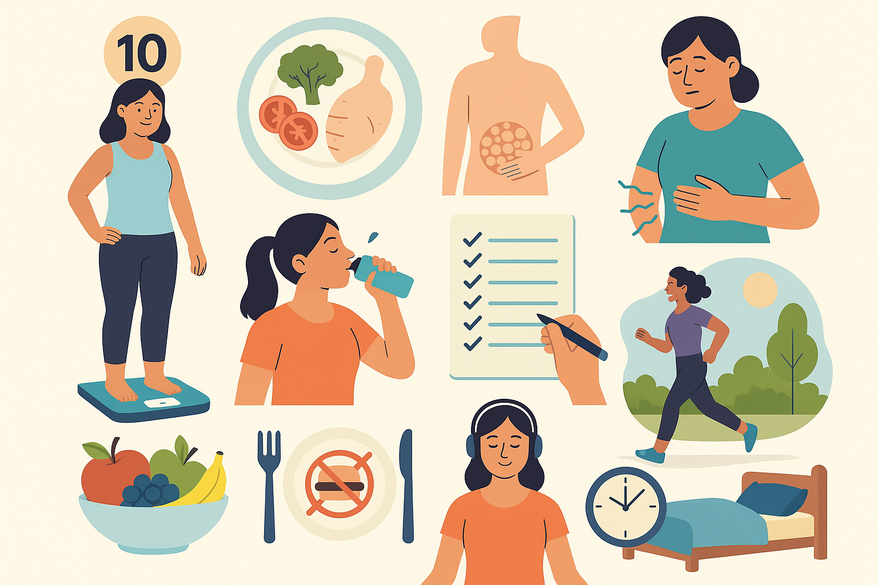
- Practical Maintenance Tips
- Nutritional Strategies
- Exercise and Physical Activity
- Behavioral and Mindful Practices
- Support Systems and Professional Guidance
- Lifestyle Factors for Long-Term Goals
- Conclusion
- FAQ
Understanding GLP-1’s Effects
GLP-1 medications work through three mechanisms:
- Appetite suppression – reduces hunger signals in the brain
- Increased satiety – prolongs feelings of fullness
- Slowed gastric emptying – delays how quickly food leaves the stomach
When doses taper or stop, these effects reverse, making appetite rebound and digestion speed up. Building non-drug habits—like a solid nutrition plan, regular activity, and mindful practices—is vital for long-term maintenance. For a comprehensive overview of how these medications work, their results, and safety considerations, see Best Practices for GLP-1 Injections: Safe, Effective Tips and GLP-1 Weight Loss: The Definitive Guide to Medications, Results, and Safety.
Sources:
- BSW Health on GLP-1 medications
- Harvard Health on how Ozempic works
- GoodRx GLP-1 maintenance dose guide
Preventing Weight Regain
After stopping GLP-1 therapy, watch for:
- Return of hunger and stronger cravings
- “Food noise” – persistent thoughts about eating
- Metabolic changes – reduced resting energy expenditure
Combining resistance training with protein-rich meals, managing stress, and keeping a consistent routine counteracts these shifts. Plan ahead: adjust portions, monitor trends, and build resilience against emotional triggers. For additional strategies to stay consistent with your medication and lifestyle changes, explore our GLP-1 medication adherence tips.
For plateau strategies, see navigating a GLP-1 weight loss plateau.
Practical Post-GLP-1 Maintenance Tips
Nutritional Strategies
- Macronutrient targets:
- Protein: 1.2–1.6 g/kg to preserve lean mass
- Fiber: 25–35 g for fullness and gut health
- Healthy fats: nuts, olive oil, avocado to stabilize blood sugar
- Portion control:
- Plate method: half veggies, quarter lean protein, quarter whole grains
- Pre-portioned containers for snacks and meals
- Meal prep: 3 small meals + 2 planned snacks
- Choose low-glycemic foods: nonstarchy vegetables, legumes, intact whole grains
- Tip: Swap sugary drinks for water or unsweetened tea
Sources:
- Intermountain Healthcare guide to GLP-1 weight loss
- BSW Health on GLP-1 medications
- For detailed advice on nutrition to maximize your therapy, see 10 Essential GLP-1 Nutrition Tips to Maximize Your Therapy Outcomes.
Exercise and Physical Activity
- Cardio: 150 min/week moderate intensity (brisk walking, cycling)
- Strength training: 2–3 days/week focusing on major muscle groups
- Preserves lean mass, boosts resting metabolic rate
- Sample moves: squats, lunges, bench press, rows, core work
- Flexibility & mobility: yoga or dynamic stretching 2×/week
- Tip: Schedule workouts like appointments
Sources:
Behavioral and Mindful Practices
- Mindful eating:
- Pause before each bite to assess hunger
- Chew ~20 times and savor flavors
- Eliminate screens and distractions
- Emotional-eating triggers: stress, boredom, fatigue
- Non-food coping: walk, deep-breathing, journaling
- Self-monitoring tools: paper food journal vs. apps (MyFitnessPal, Lose It!)
- For a comprehensive approach to logging every aspect of your GLP-1 journey, see how to track your GLP-1 weight loss journey.
- Weekly weigh-ins at a consistent time
- Track mood, hunger, and exercise to spot patterns
Sources:
Support Systems and Professional Guidance
- Peer support: online forums, group programs (WW, local meetups)
- Dietitian or coach: consult if weight climbs >2–3 lb
- Medical follow-up: adjust doses, monitor comorbidities
Lifestyle Factors for Long-Term Goals
Quality sleep, stress management, and realistic goal-setting round out your plan:
- Sleep: 7–9 hours/night—poor rest raises ghrelin and cravings. For more on how sleep can enhance your weight loss and GLP-1 therapy outcomes, see Optimal Sleep for Weight Loss: Enhancing GLP-1 Therapy Outcomes and our in-depth look at GLP-1 and Sleep Quality: How Better Sleep Enhances GLP-1 Weight-Loss Outcomes. You can also explore strategies for improving sleep during GLP-1 therapy for better health.
- Stress management: daily 10-minute mindfulness or progressive muscle relaxation
- Trigger planning: pack healthy snacks for travel, schedule workouts around events
- SMART goals: keep plans Specific, Measurable, Achievable, Relevant, Time-bound
Conclusion
By combining four pillars—nutrition, exercise, behavior, and support—plus solid lifestyle habits, you can replace GLP-1’s pharmacological effects and sustain your weight loss. Bookmark this guide, share your strategies, and consult professionals for a tailored plan. Here’s to long-term success and confidence in your weight-maintenance journey! For a deeper dive into sustainable weight loss with GLP-1, explore our holistic guide to long-term success. If you want to optimize your eating plan for lasting results, check out the best diet for GLP-1 therapy for practical guidance. For more practical advice on sticking to GLP-1 therapy for long-term success, our dedicated guide can help you stay on track. You might also find our Behavior Change with GLP-1 Therapy: Building Sustainable Habits for Lasting Results helpful for developing lasting habits.
FAQ
What happens when I stop GLP-1 therapy?
You may experience increased appetite, stronger cravings, and faster digestion. Non-medication habits help bridge the gap. For more on maintaining your results, see our comprehensive guide to long-term success after GLP-1.
How can I prevent muscle loss after stopping GLP-1?
Focus on resistance training 2–3 days per week and meet a daily protein target of 1.2–1.6 g/kg. For detailed guidance on preserving muscle and maintaining a healthy weight, check out How to Tell If You Are at a Healthy Weight: The Complete Guide.
Is mindful eating really effective?
Yes—pausing, chewing thoroughly, and eliminating distractions can reduce overeating and improve satisfaction.
Do I need professional support?
A dietitian, coach, or peer group can provide accountability and personalized guidance—especially if weight rebounds by more than 2–3 lb. For ongoing accountability and expert help, consider joining one of our GLP-1 coaching programs for community support and guidance.
How important is sleep and stress management?
Very. Aim for 7–9 hours of sleep and daily stress-reduction practices to keep hunger and cravings in check. To complement these habits, you might also explore the Best Fasting Schedule for GLP-1 Users: A Comprehensive Guide to optimize your metabolic health, including Exploring GLP-1 Intermittent Fasting Benefits for Metabolic Health.