
Exploring GLP-1 Intermittent Fasting Benefits for Metabolic Health
Discover how GLP-1 intermittent fasting benefits enhance metabolic health through weight loss and improved insulin sensitivity when combined strategically.

Estimated reading time: 8 minutes
Key Takeaways
- GLP-1 receptor agonists and intermittent fasting offer synergistic benefits for weight loss and glycemic control.
- Combining GLP-1 therapies with IF can enhance insulin sensitivity and appetite regulation.
- Safe integration requires careful dose timing, gradual fasting windows, and medical supervision.
- Balanced nutrition, hydration, and monitoring minimize risks like hypoglycemia and nutrient deficiencies.
Table of Contents
- Background Information on GLP-1 and Intermittent Fasting
- Exploring the Combined Approach
- Review of Scientific Evidence
- Practical Considerations and Implementation
- Potential Risks and Side Effects
- Who Might Be Suitable—and Who Should Avoid It
- Conclusion
- FAQ
Combining GLP-1 therapies with intermittent fasting can be complex. For step-by-step advice on logging everything from doses to mood and progress photos, see our in-depth guide.
Managing your GLP-1 journey alongside IF requires comprehensive tracking. Tools like Trimm offer dose logging, meal and hydration tracking, weight and side-effect monitoring, and trend visualization in one place.
Background Information on GLP-1 and Intermittent Fasting Benefits
Mechanism and Therapeutic Uses of GLP-1
- How GLP-1 RAs work
- Mimic natural GLP-1 to boost insulin when glucose is high and suppress glucagon.
- Slow gastric emptying, prolonging satiety.
- Act on appetite centers in the brain to reduce hunger.
- Approved uses
- Type 2 diabetes: lower HbA1c and reduce post-meal glucose spikes.
- Obesity: clinical trials show 10–15% body-weight loss.
- Cardiometabolic health: modest improvements in lipids and blood pressure.
Overview of Intermittent Fasting Techniques
- 16:8 method – fast 16 hours, eat within 8 hours.
- 5:2 diet – normal eating 5 days, 500–600 kcal on 2 non-consecutive days.
- Alternate-day fasting – full or partial fasting every other day.
- 12:12 approach – 12 hours fast, 12 hours eat; good for beginners.
- Reduces overall calorie intake.
- Improves insulin sensitivity and lipid profile.
- Reduces inflammation markers.
- Enhances metabolic flexibility by shifting toward fat burning.
Exploring the Combined Approach
Complementary Mechanisms
- GLP-1 RAs curb hunger, slow digestion, and reduce cravings for easier fasting.
- IF provides structure to eating windows, promoting calorie reduction and insulin balance.
Practical Integration Tips
- Start with moderate protocols like 12:12 or 16:8 when using GLP-1 therapy.
- Time GLP-1 doses before your largest meal to align with peak satiety and reduce GI issues.
- Monitor blood sugar closely if you use insulin or sulfonylureas alongside GLP-1 and IF.
Potential Synergistic Effects
- Weight management: Combined appetite suppression and caloric deficit can accelerate fat loss.
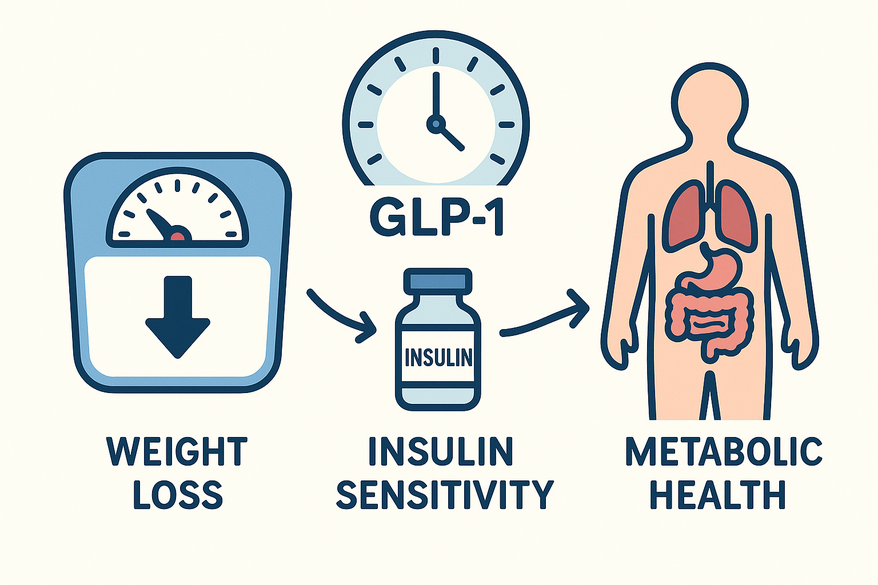
- Insulin sensitivity: GLP-1 smooths postprandial peaks; IF lowers basal insulin.
- Appetite control: Structured fasting reduces snacking; GLP-1 limits cravings.
Review of Scientific Evidence
GLP-1 RAs
Large clinical trials demonstrate significant weight loss, improved glycemic control, and cardiometabolic benefits with GLP-1 RAs. For a comprehensive overview of these medications, their results, and safety considerations, see our definitive guide to GLP-1 weight loss. You can also explore real results from GLP-1 therapy including clinical evidence and patient stories to understand the impact of these treatments.
Intermittent Fasting
Systematic reviews find that IF yields weight loss comparable to daily calorie restriction, with added benefits for insulin sensitivity and lipid profiles.
Combined Approaches
Studies like Ramadan fasting on GLP-1 agonists show enhanced weight loss and glucose stability when medically supervised.
Practical Considerations and Implementation
When and How to Combine Safely
- Begin conservatively with 12:12 or 14:10 fasting windows, then progress to 16:8 if well tolerated.
- Avoid fasts longer than 24 hours without medical supervision, especially for insulin users.
- Align fasting windows with medication schedules, work hours, and activity levels.
Nutrition and Hydration
Focus on lean proteins, healthy fats, fiber-rich vegetables, and whole grains during eating windows. Maintain hydration with water, herbal tea, and electrolytes.
For comprehensive dietary strategies tailored to GLP-1 therapy and 10 essential nutrition tips, see our guides.
Medication and Meal Timing
- Sync GLP-1 dosing with your main meal for optimal satiety and fewer GI side effects.
- Consult your provider to adjust other glucose-lowering medications when initiating IF.
Potential Risks and Side Effects
- Hypoglycemia: Higher risk with GLP-1 plus insulin or sulfonylureas during fasting.
- Gastrointestinal discomfort: Nausea, vomiting, or diarrhea may be exacerbated by long fasts.
- Nutrient deficiencies: Prolonged fasting without planning can cause fatigue and electrolyte imbalances.
Who Might Be Suitable—and Who Should Avoid It
- Suitable: Adults with overweight or obesity on GLP-1 therapy who can commit to nutrient-rich eating and medical follow-up.
- Avoid or use caution: Individuals with poorly controlled diabetes, frequent hypoglycemia, eating-disorder history, severe organ disease, pregnancy, or breastfeeding.
Conclusion
Combining GLP-1 therapies with intermittent fasting can amplify weight loss, improve insulin sensitivity, and stabilize blood sugar through complementary mechanisms. Success hinges on selecting appropriate fasting windows, timing medications, prioritizing balanced nutrition, and maintaining medical oversight. For a deeper dive into how these two approaches work together, see our article on the synergy between intermittent fasting and GLP-1 therapy and our comprehensive resource on combining GLP-1 therapy with fasting for optimal weight loss. Additionally, optimizing sleep can further enhance your results; explore our guide on optimal sleep for weight loss and GLP-1 therapy outcomes. If you want to learn more about how better sleep can enhance GLP-1 weight-loss outcomes, see our article on GLP-1 and sleep quality. For additional expert guidance and community support during your therapy, consider exploring our GLP-1 coaching programs.
Always consult your primary care provider or endocrinologist before starting this approach to tailor fasting schedules, adjust medication doses, and monitor your progress. When integrated thoughtfully into a broader lifestyle plan—rich in whole foods, physical activity, sleep, and stress management—GLP-1 and IF can be powerful allies for metabolic health.
FAQ
1. Can I start intermittent fasting immediately after beginning GLP-1 therapy?
It’s best to introduce fasting gradually. Start with a 12:12 or 14:10 window to assess tolerability before extending to longer fasts. If you’re looking for guidance on structuring your fasting windows while on GLP-1 medications, check out our comprehensive guide to the best fasting schedule for GLP-1 users.
2. How do I prevent hypoglycemia if I’m on insulin?
Work closely with your healthcare provider to adjust insulin doses and monitor blood sugar more frequently during fasting periods.
3. Will fasting worsen GLP-1 side effects?
Some GI side effects can be more noticeable when you fast. Timing doses with meals and staying hydrated can help mitigate discomfort.
4. What should I eat during eating windows?
Prioritize high-protein foods, healthy fats, fiber-rich vegetables, and whole grains to support satiety and nutrient balance. For more on building habits that support your GLP-1 therapy success, see our step-by-step guide to building habits for GLP-1 success.
5. How do I know if this combined approach is right for me?
Consult your clinician to review your medical history, current medications, and lifestyle goals before starting a GLP-1 plus IF regimen. If you’re unsure whether you’re at a healthy weight or want to learn more about evaluating your progress, read our complete guide to telling if you are at a healthy weight.