The Best Diet for GLP-1 Therapy: A Comprehensive Guide
Discover the best diet for GLP-1 therapy to enhance weight loss, stabilize blood sugar, and support long-term health with evidence-based tips.

Estimated reading time: 10 minutes
Key Takeaways
- Understanding how GLP-1 receptor agonists work and their side effects
- The essential role of a high-protein, high-fiber diet alongside therapy
- Practical nutrient timing and macronutrient distribution for optimal results
- Evidence-based strategies from major clinical trials and dietary patterns
- Long-term meal planning, progress tracking, and lifestyle integration
Table of Contents
- Understanding GLP-1 Therapy
- Why Diet Is Critical
- Nutritional Guidelines
- Nutrient Timing
- Evidence-Based Recommendations
- Practical Meal Planning
- Tips for Long-Term Success
- Conclusion
- FAQ
Understanding GLP-1 Therapy
GLP-1 receptor agonists, such as semaglutide, liraglutide, dulaglutide, and tirzepatide, mimic the body’s own glucagon-like peptide-1 hormone to regulate appetite and glycemic control.
- Increase insulin secretion when glucose levels rise
- Suppress glucagon release to prevent blood sugar spikes
- Slow gastric emptying to promote fullness
- Enhance satiety signaling and reduce cravings
Clinical trials report average weight loss of 5–15%, with up to 20% reduction in body weight on tirzepatide (SURMOUNT-1).
Common side effects include gastrointestinal symptoms; see our guide on GLP-1 side effects for mitigation strategies.
Why Diet Is Critical
A well-structured diet can boost the effects of GLP-1 therapy by stabilizing insulin, leptin, ghrelin, and cortisol levels. Conversely, ultra-processed foods can derail your progress.
- High-fiber, high-protein choices amplify drug-induced satiety
- Avoiding refined sugars prevents rebound cravings
Insights from the Cleveland Clinic on Ozempic and weight loss highlight diet–drug synergy.
Nutritional Guidelines
Macronutrient distribution should be personalized but generally follows:
- Protein: 25–35% of calories (1.2–1.6 g/kg/day to preserve lean mass)
- Fat: 25–35% of calories (focus on mono- and polyunsaturated sources)
- Carbohydrates: 30–45% of calories (prioritize low-glycemic, high-fiber)
Key food sources include:
- Lean proteins: poultry, fish, eggs, Greek yogurt, legumes
- Complex carbs: non-starchy vegetables, whole grains, fruits
- Healthy fats: olive oil, avocado, nuts, seeds, fatty fish
Nutrient Timing
Optimizing meal timing—especially around injections and exercise—can reduce side effects and maximize compliance.
- Weekly injectables: light, balanced meal 1–2 hours post-dose
- Daily oral semaglutide: take on empty stomach with ≤120 mL water; wait ~30 minutes before eating
- Pre-workout: small protein-carb snack (e.g., Greek yogurt with berries)
- Hydration: sip water or herbal tea throughout the day
Evidence-Based Recommendations
Major trials demonstrate the power of combining diet with GLP-1 therapy:
- SURMOUNT-1 (tirzepatide): up to 20% weight loss
- SCALE program (liraglutide): significant metabolic improvements
Diet patterns like the Mediterranean Diet offer high fiber and healthy fats, while moderate-carb, high-protein plans enhance satiety and glycemic control.
Practical Meal Planning
Implement a Mediterranean-inspired daily menu with a grocery checklist and batch-prep workflow. For example:
High-Protein Mediterranean Lentil Bowl: lentils, grilled chicken, feta, olive oil, vegetables.
Tips for Long-Term Success
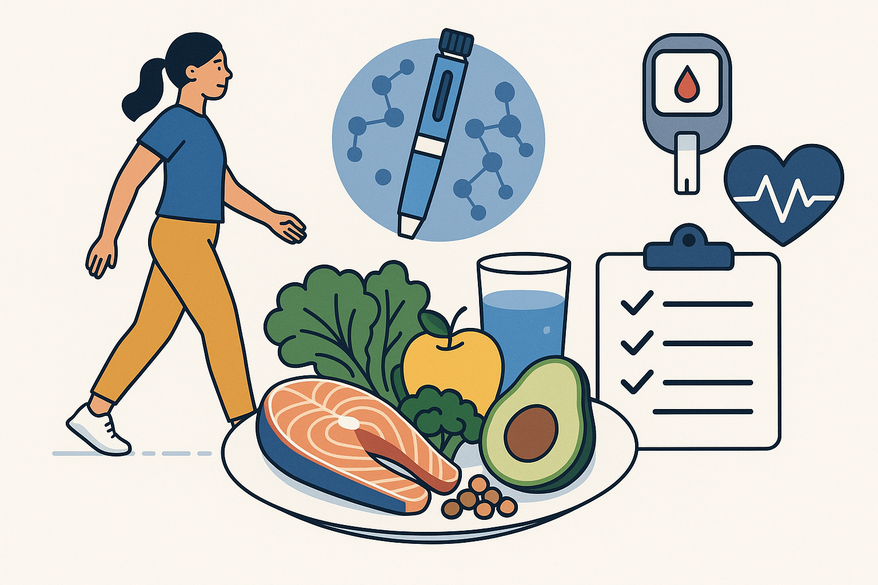
- Track weight, body composition, blood sugar, and GI symptoms
- Adjust protein and fiber based on muscle mass and bloating
- Maintain ≥150 min/week of aerobic exercise + resistance training
- Prioritize 7–9 hours of sleep and stress management
- Partner with healthcare providers for dose and diet tuning
Conclusion: A tailored, nutrient-rich eating plan aligned to GLP-1 mechanisms maximizes weight loss, stabilizes blood sugar, and supports long-term health. Always consult your healthcare team before starting or adjusting therapy.
FAQ
Q: Can I eat anything on GLP-1 and still lose weight?
No. Ultra-processed, high-calorie foods will stall progress and worsen health markers.
Q: Do I need keto or very low-carb?
Not required. A moderate-carb, high-fiber approach is more sustainable and often better tolerated.
Q: Is it safe if I’m not hungry?
Avoid extreme restriction. Ensure adequate protein and micronutrients to preserve muscle.
Q: Will I regain weight after stopping treatment?
Some regain is common. Maintaining healthy habits and tapering therapy reduces rebound.
Q: Can GLP-1 replace exercise?
No. Exercise is vital for muscle preservation, cardiovascular health, and mood.