
GLP-1 Benefits for Type 2 Diabetes: Blood Sugar Control, Weight Loss, and Heart Protection
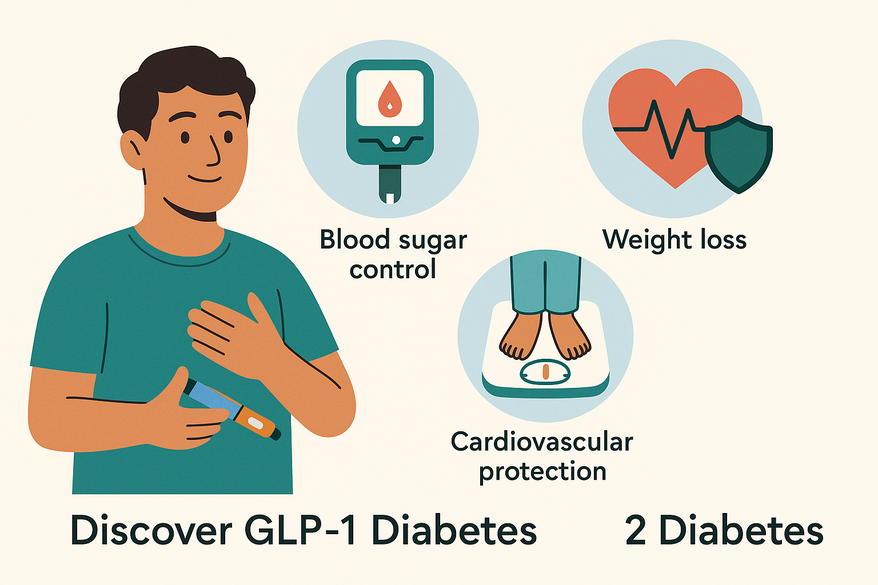
Discover GLP-1 benefits for type 2 diabetes, offering blood sugar control, weight loss, and cardiovascular protection in a comprehensive treatment approach.

Estimated reading time: 8 minutes
Key Takeaways
- GLP-1 receptor agonists improve blood sugar control by enhancing insulin secretion and suppressing glucagon.
- They promote significant weight loss through delayed gastric emptying and appetite suppression.
- Cardiovascular and kidney protection are proven benefits, reducing MACE and slowing nephropathy.
- Additional metabolic gains include improved liver health, blood pressure, and lipid profiles.
- Considerations include cost, route of administration, and gastrointestinal side effects.
Table of Contents
- Introduction
- Background: GLP-1 and Its Role
- Mechanism of Action of GLP-1 Receptor Agonists
- Type 2 Diabetes Treatment Pathway
- Detailed Analysis of GLP-1 Benefits
- Glycemic Control
- Weight Management
- Cardiovascular Benefits
- Additional Metabolic Benefits
- Comparison with Other Treatments
- Safety and Patient Considerations
- Dosing and Adherence
- Latest Research and Future Perspectives
- Conclusion
Introduction
Type 2 diabetes is marked by insulin resistance or insufficient insulin production. Chronic hyperglycemia can damage the heart, kidneys, nerves, and eyes. Despite multiple medications and lifestyle changes, fewer than half of patients reach optimal glycemic and weight targets. GLP-1 receptor agonists offer a modern, multifaceted approach that addresses blood glucose, body weight, and cardiovascular health in a single strategy.
Background: GLP-1 and Its Role
Glucagon-like peptide-1 (GLP-1) is an incretin hormone released by intestinal L-cells after meals. It plays a central role in metabolic regulation and appetite control.
What GLP-1 Does
- Stimulates glucose-dependent insulin secretion, boosting insulin only when blood sugar is elevated.
- Suppresses glucagon release, limiting hepatic glucose production.
- Slows gastric emptying, smoothing postprandial glucose spikes.
- Acts on the hypothalamus to increase satiety and reduce appetite.
Mechanism of Action of GLP-1 Receptor Agonists
- Pancreas: Enhances insulin release when needed and lowers hepatic glucose output via glucagon inhibition.
- Gastrointestinal Tract: Delays gastric emptying and prolongs fullness after meals.
- Central Nervous System: Reduces hunger signaling and curbs cravings.
- Cardiovascular & Kidney Systems: Provides direct protection against major adverse cardiovascular events and slows nephropathy progression.
For a deeper dive into the mechanisms, see GLP-1 mechanisms.
Type 2 Diabetes Treatment Pathway
- Lifestyle interventions: diet, exercise, weight management
- First-line: metformin
- Add-ons: GLP-1 RAs, SGLT2 inhibitors, sulfonylureas, DPP-4 inhibitors, TZDs, insulin
Current guidelines often favor GLP-1 RAs after metformin for patients needing weight loss or with ASCVD.
Detailed Analysis of GLP-1 Benefits
1. Glycemic Control
- ↑ Glucose-dependent insulin secretion when levels rise
- ↓ Glucagon release, cutting hepatic glucose output
- Slowed gastric emptying to reduce post-meal spikes
HbA1c reductions average ~1%, rivaling basal insulin but with a low risk of hypoglycemia. Learn more about blood sugar management.
2. Weight Management
- Delayed gastric emptying leads to fullness with smaller meals.
- Central appetite suppression reduces cravings.
Weight loss is dose-dependent; benefits include improved insulin sensitivity, lower blood pressure, and reduced cardiovascular risk. See diet tips during GLP-1 therapy and explore the definitive guide to GLP-1 weight loss, medications, results, and safety. For those seeking a structured approach, finding the best fasting schedule for GLP-1 users can further support weight management goals.
3. Cardiovascular Benefits
- Reduces MACE (CV death, nonfatal MI, nonfatal stroke) in high-risk patients.
- Modest blood pressure lowering and improved lipid profiles.
4. Additional Metabolic Benefits
- Kidney Protection: Slows diabetic nephropathy and macroalbuminuria.
- Liver Health: Improves metabolic-associated steatotic liver disease.
- Blood Pressure & Lipids: Reductions in systolic/diastolic pressure and favorable cholesterol changes.
- Emerging Benefits: Neuroprotection and behavior modulation in cravings and addiction.
Comparison with Other Treatments
| Feature | GLP-1 RAs | Metformin | Sulfonylureas | SGLT2 Inhibitors | Insulin |
|---|---|---|---|---|---|
| A1c Reduction | ~1% or more | ~1–1.5% | ~1–2% | ~0.5–1% | High, dose-dependent |
| Weight Effect | Loss | Neutral/slight | Gain | Loss | Gain |
| Hypoglycemia Risk | Low | Low | High | Low | Moderate–High |
| CV Benefit | Reduces MACE | Neutral | Neutral | Beneficial | Neutral |
| Kidney Benefit | Slows nephropathy | Some benefit | Limited | Strong | Mixed |
Advantages: strong glucose lowering, meaningful weight loss, proven CV and kidney protection, flexible dosing. Drawbacks: cost, injectable route, GI side effects, contraindications.
Safety and Patient Considerations
Common GI Side Effects
- Nausea, vomiting, diarrhea, constipation, abdominal discomfort
- Mitigation: slow dose titration and education
Rare but Serious Risks
- Gallbladder disorders (cholelithiasis)
- Pancreatitis (rare)
- Theoretical risk of medullary thyroid carcinoma
Patient Suitability
- Ideal for T2D patients with A1c above target on metformin, overweight/obesity, ASCVD, or CKD.
- Contraindications: medullary thyroid carcinoma, MEN2, unexplained pancreatitis.
Dosing and Adherence
- Options: daily vs. weekly injections; oral semaglutide available.
- Education on injection technique, storage, titration.
- Adjust sulfonylurea or insulin to reduce hypoglycemia risk.
Staying consistent with your medication is crucial for optimal results; for practical tips, see this practical guide to long-term success with GLP-1 therapy. For additional strategies, explore practical strategies for managing GLP-1 refills effectively to support seamless medication adherence.
Latest Research and Future Perspectives
Recent Findings
- Consistent CV and renal protection across GLP-1 RAs.
- Expanded obesity approvals highlight weight-centric benefits.
- Shift toward cardiometabolic and holistic metabolic syndrome treatment.
Emerging Directions
- Dual/triple agonists combining GLP-1 with GIP or glucagon.
- Neurodegenerative and addiction research.
- Long-term kidney outcome trials versus SGLT2 inhibitors.
- Novel oral and non-injectable delivery systems.
Projected Trends
Guidelines may recommend earlier GLP-1 RA use in T2D, especially for patients with obesity, ASCVD, or high renal risk.
Conclusion
GLP-1 receptor agonists provide a powerful triad: effective blood sugar control, meaningful weight loss, and cardiovascular and kidney protection, plus additional metabolic and neuroprotective benefits. Patients and clinicians can make personalized, informed decisions about GLP-1 therapy. Discuss options with your healthcare provider and consider Trimm to track doses, weight, side effects, and meals with clear charts and milestones.
FAQ
What is a GLP-1 receptor agonist?
A GLP-1 receptor agonist mimics the incretin hormone GLP-1, enhancing insulin secretion, suppressing glucagon, and slowing gastric emptying.
How much weight loss can I expect?
Weight loss varies by agent and dose but is generally dose-dependent, with many patients losing 5–10% of their baseline weight. For real-world perspectives, read GLP-1 success stories and patient testimonials.
Are GLP-1 RAs safe?
They have a low risk of hypoglycemia but can cause GI side effects. Rare risks include pancreatitis and gallbladder issues; contraindicated in certain thyroid conditions.
Can I take GLP-1 RAs if I have kidney disease?
Yes, many GLP-1 RAs offer renal protection and are safe in moderate CKD; dose adjustments may be needed based on specific agents.
How do I get started with GLP-1 therapy?
Discuss with your provider to select the right agent and dosing schedule; education on injection technique and lifestyle modifications is essential.