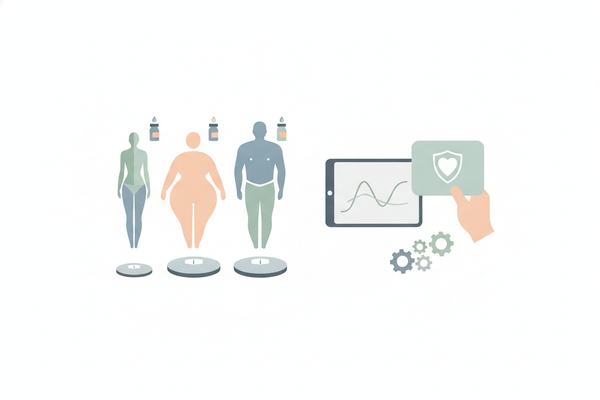
Body Shape Impact on Metabolism Rate: The Definitive Guide
Explore how body shape impacts metabolism rate, muscle vs fat roles, and why weight alone doesn’t tell the full story. Body-positive insights inside.


Estimated reading time: 15 min
Key Takeaways
- Body shape can influence metabolism rate due to differences in muscle mass, fat distribution, and surface area, all of which may affect calorie expenditure.
- Larger bodies often burn more calories at rest, but weight alone is a limited predictor of metabolism because it does not distinguish body composition.
- Muscle mass (lean body mass) generally plays a greater role than fat mass in determining resting metabolic rate (RMR), with muscle burning more calories than fat at rest.
- Body shape frameworks like ectomorph, mesomorph, endomorph, and apple vs pear provide useful context for understanding metabolic and health differences without prescribing limitations or stereotypes.
- Understanding your body type can help tailor diet, exercise, and dressing choices, promoting a positive body image and encouraging sustainable lifestyle habits.
Table of Contents
- Section 1: Understanding Body Shape and Metabolism Basics
- Section 2: Body Composition – Muscle vs Fat and Calorie Burn
- Section 3: Why Larger Bodies Often Have Higher Basal Metabolic Rates
- Section 4: The Role of Body Shape and Fat Distribution
- Section 5: Sex Differences in Fat Distribution and Metabolic Effects
- Section 6: Body Type Frameworks: Ectomorph, Mesomorph, and Endomorph Explained
- Section 7: Can You Change Your Body Type? Dressing and Training Tips
Conclusion
FAQ
Section 1: Understanding Body Shape and Metabolism Basics
What Does Body Shape Mean for Metabolism?
Body shape's impact on metabolism rate results from a multifaceted interaction involving genetics, muscle mass, fat distribution, hormonal influences, and other physiological factors. Metabolism encompasses all the biochemical processes that convert food into energy, with basal metabolic rate (BMR) or resting metabolic rate (RMR) referring to the calories your body expends at rest, maintaining vital functions like breathing, circulation, and cellular repair. Because different body shapes carry varying proportions of lean mass and fat, as well as differences in surface area exposed to the environment, these factors collectively influence BMR.
For example, someone with a compact, muscular build may have a higher metabolic rate than someone with a similar weight but higher body fat percentage because muscle tissue requires more energy to maintain. Additionally, body surface area affects heat loss; individuals with higher surface area relative to volume may have slightly elevated energy needs to maintain body temperature.
Common Body Shape Classifications
To help people understand variations in body structure and composition, several classification systems have been developed, each emphasizing different features:
- Apple vs Pear Body Shape: This model focuses on where fat tends to accumulate. Apple-shaped individuals carry more fat around the abdomen, while pear-shaped individuals have more fat on hips and thighs.
- Female Body Shapes Explained: This includes categories like hourglass (balanced bust and hips with a defined waist), rectangle (straight up and down with little waist definition), inverted triangle (broader shoulders narrowing to hips), alongside apple and pear shapes.
- Male Body Types: Men are often described by somatotypes—ectomorph (lean and slender), mesomorph (naturally muscular), and endomorph (rounder and softer body shape)—which overlap with overall muscularity and fat storage patterns.
- Ectomorph, Mesomorph, Endomorph Somatotypes: Originally developed by psychologist William Sheldon, this system describes typical body frames and metabolic tendencies, though it is more of a spectrum than fixed categories.
It's important to recognize that these classifications are descriptive and not prescriptive, helping you understand your body's natural tendencies rather than limiting what you can achieve. For a more detailed exploration of apple vs pear shapes, check out our post Apple vs Pear Body Shape: How to Tell & What It Means.
Why Weight Alone Is a Poor Metabolic Predictor
Weight is often used as a shorthand for health or metabolism, but it fails to distinguish between metabolically active lean tissue (muscle, organs) and less active fat tissue. For instance, two individuals each weighing 150 pounds can have vastly different metabolic rates if one has 30% body fat and the other 15%. Additionally, where fat is stored—subcutaneously or viscerally—also impacts metabolic health.
Moreover, genetics and hormonal status influence metabolism beyond what weight reflects. Therefore, relying solely on weight can lead to misconceptions about energy needs, body functionality, and health risks. Instead, considering body composition and shape offers a more nuanced understanding. For more on assessing your health beyond weight, see our comprehensive guide on How to Tell If You Are at a Healthy Weight.
Section 2: Body Composition – Muscle vs Fat and Calorie Burn
Lean Mass Drives Resting Metabolic Rate
Lean body mass (LBM) encompasses muscles, bones, organs, and bodily fluids, but muscle tissue is a primary driver of resting metabolic rate due to its higher metabolic activity compared to fat. Research estimates that muscle burns more calories at rest than fat tissue, though exact values can vary between individuals. This means a person with greater muscle mass can have a higher metabolic rate, even if their total body weight is the same as someone with less muscle.
For example, adding muscle mass could increase daily calorie burn, which over time supports maintaining or reducing body fat. Besides resting metabolism, muscle also increases calorie expenditure during physical activity, amplifying total energy needs.
Fat Mass and Its Metabolic Role
Fat tissue primarily serves as energy storage and insulation. Subcutaneous fat, stored under the skin, is less metabolically active but important for cushioning and thermal regulation. Visceral fat, located around internal organs, is more metabolically active and releases inflammatory markers and hormones that can influence insulin resistance and cardiovascular risk.
While fat contributes fewer calories to resting metabolism compared to muscle, its metabolic influence extends beyond simple calorie expenditure. For instance, visceral fat promotes a pro-inflammatory state linked to metabolic syndrome, which affects glucose metabolism and overall health. This explains why two individuals with equal fat mass but different fat distribution patterns may have different metabolic profiles.
Measuring Body Composition
Tracking body composition is a more reliable method to assess metabolic health and progress than weight alone. Some common methods include:
- Bioelectrical Impedance Analysis (BIA): Inexpensive and widely available in consumer scales, BIA sends a small electrical current through the body to estimate fat and lean mass percentages. Accuracy can vary with hydration levels and device quality.
- Dual-energy X-ray Absorptiometry (DEXA): Considered a gold standard, DEXA scans provide detailed data on bone density, fat distribution, and lean mass with high precision, often used in clinical and research settings.
- Skinfold Measurements: Using calipers to measure subcutaneous fat thickness at various body sites, then estimating overall fat percentage. This method requires training for accuracy.
Apps like Trimm offer tools to log body measurements alongside medication, diet, and lifestyle data, enabling you to visualize trends over time and adjust your approach based on real feedback. Consistent tracking helps personalize strategies and motivates persistence on your health journey.
Section 3: Why Larger Bodies Often Have Higher Basal Metabolic Rates
Size Matters: More Tissue Requires More Energy
Basal metabolic rate typically increases with body size because maintaining a larger mass requires more energy. This includes both lean mass and fat mass, although lean mass has a stronger effect per unit weight. For example, a person weighing 220 pounds with 40% body fat generally has a higher BMR than a 150-pound person with 20% body fat because of the greater overall tissue volume.
However, this relationship isn’t strictly linear. Metabolic rate scales with body mass to roughly the 0.75 power (Kleiber's law), meaning doubling body mass doesn’t double metabolic rate. This is due to efficiency in energy use and the way surface area scales with volume.
Surface Area-to-Volume Ratio Effects
Heat loss from the body occurs primarily through the surface, so people with larger surface area relative to their volume lose heat more rapidly and may require more calories to maintain body temperature. For instance, someone with a leaner, taller frame may have a higher surface area-to-volume ratio than a shorter, stockier person of the same weight, influencing their energy expenditure.
This concept helps explain why two individuals with similar weight but different body shapes and sizes can have different metabolic rates. Additionally, environmental factors like ambient temperature, clothing, and activity level interact with surface area to modify energy needs.
Limitations of BMI and Weight Metrics
Body Mass Index (BMI) remains a popular screening tool but has critical limitations. It cannot differentiate between muscle and fat, nor does it account for distribution of fat or muscle quality. For example, athletes with high muscle mass may have BMIs classified as overweight or obese despite being metabolically healthy.
Understanding these limitations is crucial for interpreting BMI in the context of your metabolism and health. For a comprehensive discussion, see our post BMI Limitations: What BMI Really Means (and Misses) for Your Health.
Section 4: The Role of Body Shape and Fat Distribution
Apple vs Pear Body Shape and Metabolism
Fat distribution plays a key role in metabolic health, with apple-shaped bodies storing more fat centrally around the abdomen, and pear-shaped bodies storing more fat peripherally on hips and thighs. Visceral fat in the abdominal area is more metabolically active and secretes hormones and inflammatory substances that may increase risk for insulin resistance, type 2 diabetes, and cardiovascular disease.
Conversely, subcutaneous fat predominant in pear-shaped bodies is generally considered more metabolically benign or even protective, helping to buffer the effects of excess energy intake. However, excess fat accumulation regardless of distribution can eventually impact metabolic health.
Body Shape’s Influence on Calorie Expenditure
Beyond resting metabolism, body shape can influence physical activity and calorie burn. For example, carrying more abdominal weight (apple shape) can affect posture and gait, potentially reducing exercise efficiency or tolerance. Meanwhile, pear shapes may face challenges in mobility if excess fat accumulates around hips and thighs, but often have better metabolic profiles.
Hormonal influences also mediate how fat distribution affects metabolism. For example, cortisol and sex hormones regulate visceral fat accumulation, impacting energy expenditure and appetite regulation. Understanding these nuances helps in designing personalized lifestyle strategies.
Understanding Your Body Shape
Identifying your body shape supports targeted approaches to health. For instance, apple-shaped individuals may benefit from cardiovascular exercises that target visceral fat reduction and dietary strategies to improve insulin sensitivity. Pear-shaped individuals might focus on strength training to increase lean mass and maintain metabolic health.
For practical guidance, refer to our detailed post on Body Types and Shapes: The Ultimate Body-Positive Guide, which also offers tips on lifestyle adjustments tailored to your shape.
Section 5: Sex Differences in Fat Distribution and Metabolic Effects
Female Body Shapes Explained
Women generally have higher body fat percentages than men, averaging around 25-31% compared to men’s 18-24%, due to biological and reproductive roles. Female fat distribution is influenced largely by estrogen, which promotes fat storage around hips, thighs, and buttocks (pear shape), supporting fertility and hormonal balance.
Common female body shapes include hourglass (balanced bust and hips, defined waist), pear (wider hips), apple (central obesity), and rectangle (straight silhouette). These patterns not only affect aesthetics but also have implications for metabolic health and disease risk.
Male Body Types and Fat Storage
Men typically accumulate more visceral fat, leading to an apple-shaped body. This fat distribution is linked to increased metabolic risk factors such as insulin resistance, dyslipidemia, and hypertension. However, men usually possess higher lean body mass, which contributes to a higher resting metabolic rate compared to women of similar weight.
Male body types also correlate with somatotypes—ectomorphs tend to be lean and tall, mesomorphs muscular, and endomorphs rounder. These somatotypes influence not just appearance but also metabolic tendencies and responses to training.
Metabolic Implications
Sex hormones play a fundamental role in determining fat distribution and metabolism. Estrogen encourages subcutaneous fat storage in females, which is less metabolically harmful, while testosterone promotes lean mass development in males. Post-menopausal hormonal shifts in women often lead to increased central fat accumulation, raising metabolic risks.
These differences highlight the importance of personalized health strategies that consider sex-specific metabolic profiles rather than adopting a uniform approach.
Section 6: Body Type Frameworks: Ectomorph, Mesomorph, and Endomorph Explained
Origins of Somatotypes
The somatotype system, popularized by William Sheldon in the 1940s, categorizes human physiques into three main types: ectomorph, mesomorph, and endomorph. While originally linked to personality traits, today the framework is used primarily to describe physical characteristics and tendencies toward muscle or fat accumulation.
Characteristics of Each Type
- Ectomorph: Characterized by a slim, lean frame with narrow shoulders and hips, low fat stores, and difficulties gaining muscle or weight. Typically associated with a faster metabolism.
- Mesomorph: Naturally muscular and athletic, with broader shoulders, low to moderate body fat, and an easier time gaining or losing weight. Metabolism is usually balanced.
- Endomorph: Rounder body shape with wider hips, higher propensity to store fat, and a slower metabolism. May find it easier to gain fat but can gain muscle with proper training.
Most people exhibit a combination of these types rather than a pure somatotype, making this a flexible tool for understanding body tendencies.
Applying This Framework Positively
Rather than using somatotypes to limit expectations, view them as guides for optimizing fitness and nutrition:
- Ectomorphs may benefit from calorie-dense diets and strength training focused on hypertrophy, with attention to recovery.
- Mesomorphs often thrive on balanced programs combining resistance training and cardiovascular exercise to maintain body composition and improve performance.
- Endomorphs may see success with regular cardio, strength training, and mindful caloric intake to support fat loss while preserving muscle mass. Mindful caloric intake helps manage fat storage.
Understanding your inherent tendencies encourages realistic goal-setting and reduces stigma around body shape. For tailored diet advice, explore our Diet Plans for Mesomorph Body Shape.
Section 7: Can You Change Your Body Type? Dressing and Training Tips
Genetics Set the Foundation, But Lifestyle Shapes Expression
Your genetic blueprint largely determines your bone structure and basic body shape, but lifestyle choices profoundly influence muscle tone, fat distribution, posture, and overall physique. While you cannot change your skeleton, you can enhance muscle development, reduce excess fat, and improve posture to shift how your body looks and functions.
For example, resistance training can build muscle to create a more defined silhouette, while aerobic exercise can reduce fat stores, particularly visceral fat, improving health markers. Nutrition plays a vital role in supporting these changes.
How to Dress for Your Body Type
- Apple Shape: Focus on drawing attention away from the midsection by emphasizing shoulders and legs. Structured tops, V-necklines, and A-line skirts can create balance.
- Pear Shape: Highlight the waist and upper body with bright colors, statement necklaces, and fitted tops to create proportion.
- Hourglass Shape: Wear fitted clothing that accentuates your natural curves, such as wrap dresses and belted waists.
- Rectangle Shape: Use belts and layered outfits to create the illusion of curves and define the waist.
- Mesomorph: Choose clothes that fit well and showcase muscular definition without being too tight or loose.
Learning these styling tricks can boost your confidence and comfort in your body. Numerous fashion resources and style guides provide further tailored advice for each body shape.
Training Tips Based on Body Type
- Ectomorphs: Prioritize resistance training with heavier weights and lower repetitions to promote muscle hypertrophy. Incorporate adequate calories and protein to support muscle growth.
- Mesomorphs: Employ a balanced regimen combining strength training and cardiovascular workouts to maintain muscle and cardiovascular health.
- Endomorphs: Include higher volumes of cardiovascular exercise to assist fat loss, coupled with resistance training to preserve muscle mass. Mindful caloric intake helps manage fat storage.
Importantly, consistency in movement and nutrition is key regardless of body type. If you are using GLP-1 medications as part of a weight management plan, tracking your doses, weight, side effects, and lifestyle factors with a tool like Trimm can provide valuable insights and enhance motivation by visualizing your unique progress. For more information on these medications, see our GLP-1 Weight Loss: The Definitive Guide to Medications, Results, and Safety.
Conclusion
Understanding how body shape impacts metabolism reveals a complex interplay of body composition, fat distribution, genetics, and sex differences—not weight alone. Muscle mass is a primary driver of resting metabolic rate, while fat distribution patterns, such as apple versus pear shapes, have distinct metabolic and health implications. Frameworks like ectomorph, mesomorph, and endomorph assist in describing natural body tendencies without confining anyone to rigid categories.
Embracing your body type with a positive, body-inclusive mindset empowers you to tailor your training, nutrition, and wardrobe in ways that enhance both health and self-confidence. Always remember that medical decisions, especially concerning weight loss medications like GLP-1 receptor agonists, should be made in consultation with healthcare professionals. Utilizing supportive tools such as Trimm to track your health journey can provide personalized data and progress visuals that celebrate your unique path toward wellbeing.
FAQ
Q: Does body shape affect metabolism rate?
A: Yes, body shape influences metabolism by affecting factors such as muscle mass, fat distribution, and surface area. These all contribute to how many calories your body burns at rest, making body shape an important consideration in understanding your metabolism.
Q: Do bigger people have faster metabolisms?
A: Generally, larger individuals have higher basal metabolic rates because they have more tissue—including muscle and fat—that requires energy. However, metabolism varies widely depending on body composition, with muscle mass being a key determinant.
Q: Is muscle or fat more important for resting metabolic rate?
A: Muscle is generally more important for resting metabolic rate because it is more metabolically active than fat. Muscle tissue burns more calories at rest, thereby increasing your overall energy expenditure.
Q: Why do some skinny people have a slow metabolism?
A: Skinny individuals may have lower muscle mass or other metabolic factors such as hormonal imbalances that reduce their resting metabolic rate despite low body weight. Metabolism is influenced by more than just weight or size.
Q: Does apple-shaped body fat affect metabolism differently than pear-shaped fat?
A: Yes, apple-shaped fat tends to be more visceral and metabolically active but is linked to higher health risks, whereas pear-shaped fat is more subcutaneous and less metabolically harmful. This difference affects metabolic health and disease risk profiles.
Q: Can two people weigh the same but have different metabolic rates?
A: Absolutely. Differences in muscle mass, fat distribution, genetics, and sex mean two individuals with the same weight can have very different metabolic rates and energy needs.
Free to start
Try the Trimm app
Everything in this guide, in your pocket.
Get it on iPhoneGet it on Android