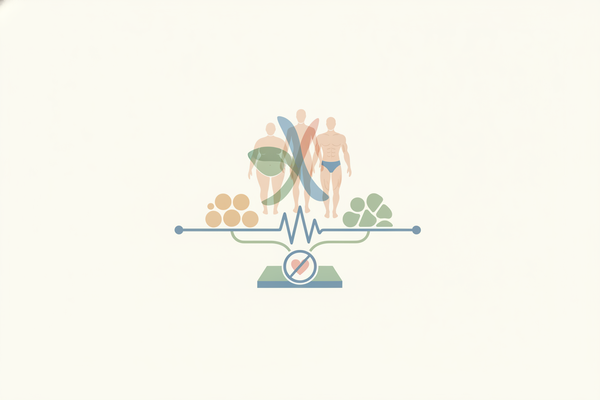
Adjusting Doses for Different Body Types: A Body-Positive Guide
Learn how adjusting doses for different body types works, why body shape matters, and tips for a personalized, safe approach to medication and health.

Estimated reading time: 10 min
Key Takeaways
- Body types like ectomorph, mesomorph, and endomorph describe physical traits, not limits.
- Adjusting medication doses should consider body composition and clinical factors, not just total weight.
- Apple vs pear body shape may influence metabolism and medication effects differently in some cases.
- Weight-based dosing isn’t one-size-fits-all; clinical judgment and body type can guide safe adjustments.
- Tracking tools like Trimm can support personalizing your health journey safely and effectively.
Understanding how to adjust doses for different body types can be important for safe, effective medication use, especially in weight management and GLP-1 therapies like Ozempic or Wegovy. This guide explores common body type frameworks, how body shape might influence dosing, and practical tips to honor your unique body positively and safely.
1. What Body Type Am I? Understanding the Basics
Body type is a descriptive way to understand your natural physical traits. The most common frameworks include ectomorph, mesomorph, and endomorph—terms coined by psychologist William Sheldon. Each type suggests a general tendency in metabolism, muscle mass, and fat storage:
- Ectomorph: Lean, long limbs, may find it harder to gain weight or muscle.
- Mesomorph: Naturally muscular, tends to gain muscle easily, moderate metabolism.
- Endomorph: Softer body, may store fat more easily, sometimes slower metabolism.
Remember, most people are a mix rather than fitting perfectly into one category. Recognizing your body type can help tailor your health strategies, including medication dosing considerations, diet, and exercise. For a deeper understanding, see our ultimate body-positive guide to body types and shapes.
2. Apple vs Pear Body Shape: What It Means for Your Health
Another popular way to describe body shape is by silhouette—apple vs pear (and other shapes like hourglass or rectangle). Apple shapes tend to store more fat around the abdomen, while pear shapes accumulate fat around hips and thighs. These patterns may affect how your body metabolizes medications and distributes fat-soluble drugs.
For example, people with apple-shaped bodies might experience different medication effects due to visceral fat influencing liver metabolism. Learn more about identifying your shape and its health implications in our detailed Apple vs Pear Body Shape guide.
3. Female Body Shapes Explained: Embrace Your Unique Silhouette
Female body shapes often get categorized into hourglass, rectangle, inverted triangle, pear, and apple. These categories describe bone structure, fat distribution, and muscle tone. They’re helpful for styling and fitness but can also provide context for understanding how medications might interact with body fat and lean mass.
Importantly, none of these shapes are better or worse—they’re simply different. Recognizing yours helps you dress confidently and make informed wellness choices. For dosing, fat distribution can influence drug absorption and clearance rates, so it’s a factor clinicians may consider alongside weight. For advice on how to tell if you are at a healthy weight, see our complete guide.
4. Male Body Types: Beyond the Muscular Stereotype
Male body types can also be sorted into ectomorph, mesomorph, and endomorph categories, with emphasis on muscle mass and fat distribution patterns. Men with endomorphic traits may require different dose considerations for medications metabolized by fat tissue compared to leaner ectomorphs.
Understanding your male body type can guide personalized fitness and nutrition plans and inform healthcare providers about dose optimization, especially for drugs affected by body composition. For insights on muscle gain potential by body type, check our body types and muscle gain potential guide.
5. How to Dress for Your Body Type: Boost Confidence and Comfort
Knowing your body type benefits more than health—it helps you dress in ways that celebrate and flatter your unique shape. For example:
- Ectomorphs: Clothes that add curves and volume.
- Mesomorphs: Tailored, athletic-fit styles.
- Endomorphs: Structured garments that define the waist.
Similarly, apple shapes might choose clothing that elongates the torso, while pear shapes highlight the upper body. Feeling good in your clothes supports a positive body image, which is an important part of overall health.
6. Can You Change Your Body Type? What Science Says
Body type is largely genetic and based on bone structure and natural fat distribution. While you can’t change your fundamental type, lifestyle factors like diet, exercise, and posture can influence your appearance and health outcomes.
For example, strength training may build muscle mass, shifting an ectomorph closer to mesomorph traits. Weight loss or gain can alter fat distribution but doesn’t change bone structure. Accepting your body type while optimizing health behaviors is a sustainable approach. Learn more in our definitive guide to body types and shapes.
7. Why Adjusting Doses for Different Body Types Matters
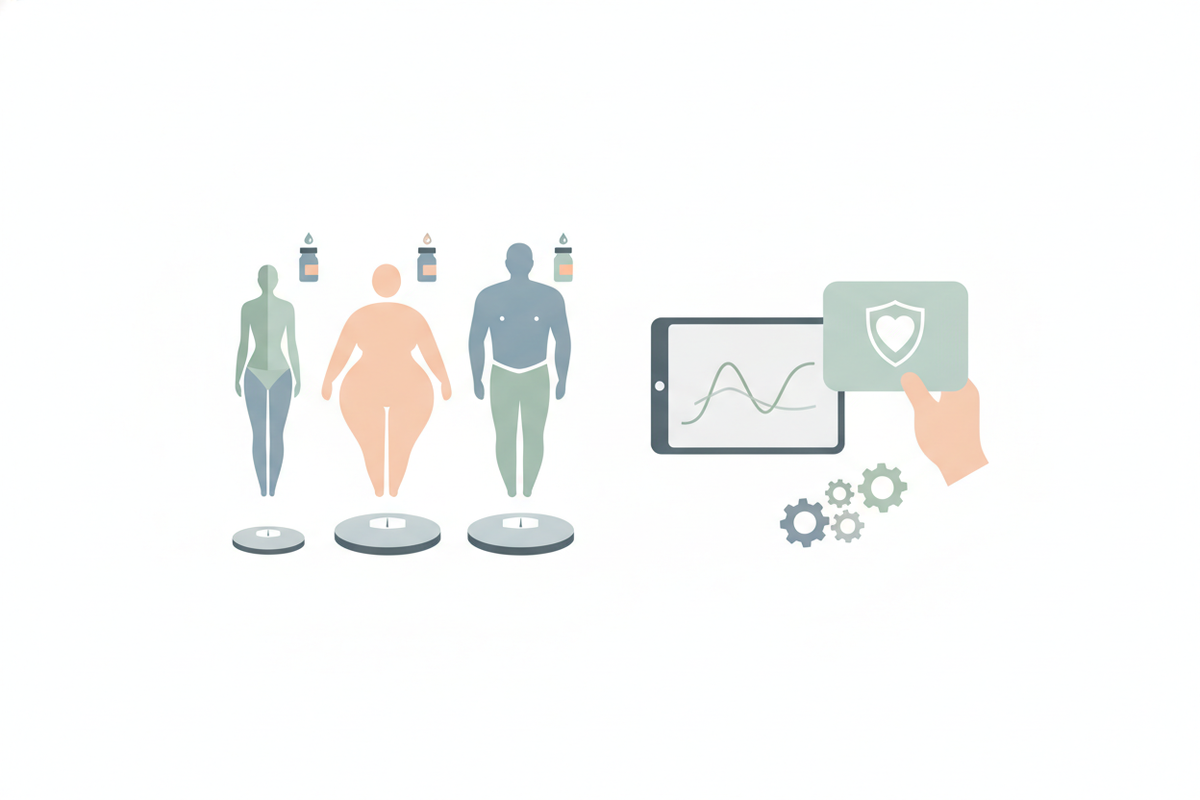
Medications often rely on weight-based dosing formulas, but using total body weight alone can sometimes be misleading. For example, individuals with obesity may have altered drug metabolism, so clinicians often consider ideal body weight, adjusted body weight, or lean body weight to calculate safer doses.
Failing to adjust doses properly can risk over- or under-dosing. For drugs like sedatives, opioids, and neuromuscular blockers, these differences can impact safety and effectiveness.
8. Beyond Weight: How Age, Kidney, and Liver Function Affect Dose Adjustments
Body type is only one piece of the puzzle. Age-related changes and organ function—especially the kidneys and liver—play a crucial role in how your body processes medications. For example, reduced kidney function may require dose reduction regardless of body size.
Healthcare providers use comprehensive assessments, including body composition and organ health, to customize dosing. This approach helps reduce variability and improve patient safety.
9. Practical Measurement Tips: Getting Accurate Weight and Body Composition
Accurate dosing requires precise measurement. Use calibrated scales, preferably digital, to measure weight consistently at the same time of day and in similar clothing. Some clinics use body composition analysis tools to estimate lean and fat mass for better dose calculation.
Apps like Trimm can help you log weight, doses, and side effects over time, providing valuable data for you and your healthcare provider to make informed decisions. For detailed advice on tracking body measurements for body types, see our ultimate guide.
10. When to Use Titration Instead of Strict Weight-Based Dosing
For many medications, especially GLP-1s used in weight loss, starting at a low dose and gradually increasing (titration) is often safer than relying solely on mg/kg formulas. Titration allows adjustment based on clinical effect and side effects, honoring individual response variability.
This patient-centered approach respects body type differences and metabolic uniqueness, reducing risk and improving outcomes.
Conclusion
Adjusting doses for different body types is a nuanced, body-positive process that goes beyond simple weight calculations. Understanding your body type—whether ectomorph, mesomorph, endomorph, apple, pear, or other shapes—can help you and your healthcare team tailor medication safely and effectively. Remember, body type is descriptive, not limiting, and embracing it supports better health and self-confidence.
For those on GLP-1 medications like Ozempic or Wegovy, tools like Trimm can simplify tracking doses, weight, side effects, and progress, making personalized care easier and more transparent.
FAQ
Q: How do you calculate a medication dose based on body weight?
A: Doses are often calculated using actual body weight (ABW), ideal body weight (IBW), or adjusted body weight (AdjBW), depending on the medication and patient’s body composition. Healthcare providers select the best metric to balance effectiveness and safety.
Q: Should obese patients be dosed by actual body weight or ideal body weight?
A: Many medications require dose adjustment using ideal or adjusted body weight rather than actual weight for obese patients, because excess fat can alter drug distribution and metabolism. Your doctor determines the appropriate method for each drug.
Q: What is the difference between ideal body weight and adjusted body weight?
A: Ideal body weight estimates weight based on height and gender, representing a healthy target. Adjusted body weight accounts for excess fat beyond IBW and is used to refine dosing in overweight or obese patients.
Q: Which medications need dose adjustments for body size?
A: Drugs like sedatives, opioids, neuromuscular blockers, and some chemotherapy agents often require body size adjustments to avoid toxicity or underdosing. GLP-1 weight loss medications may also need careful titration.
Q: Does body surface area matter more than weight for some drugs?
A: Yes, especially in chemotherapy and pediatric dosing, body surface area (BSA) can more accurately reflect metabolic mass than weight alone, improving dosing precision.
Q: Why do some doctors use the same dose for everyone instead of weight-based dosing?
A: Fixed dosing can simplify treatment and reduce errors but may not account for individual variability. In some cases, clinical trials support standard doses as safe and effective for most people, but personalized adjustments are best when possible.
Free to start
Try the Trimm app
Everything in this guide, in your pocket.
Get it on iPhoneGet it on Android