Can You Change Your Body Type? The Definitive Guide to Body Types and Shapes
Can you change your body type? Understand genetics, body shapes, composition & how to train, eat, and dress for your unique body. Body-positive, science-based guide.

Estimated reading time: 14 min
Key Takeaways
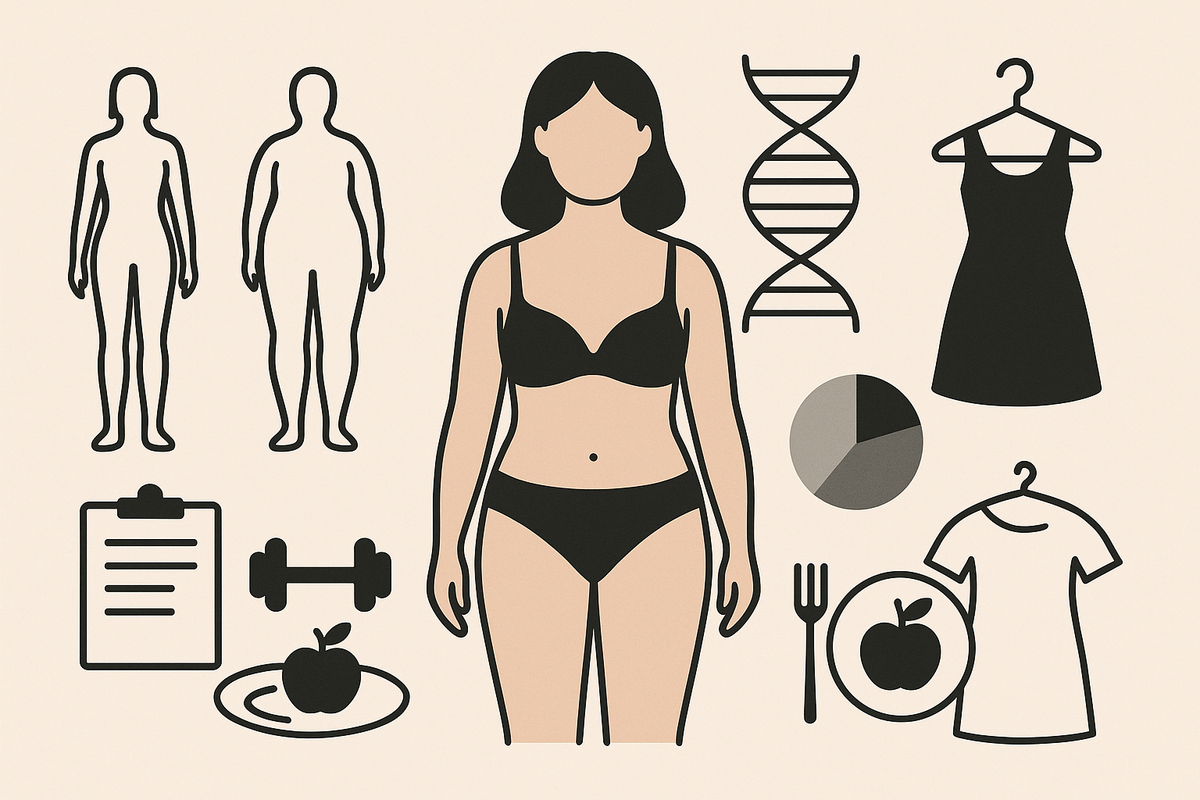
- Your body type (bone structure, frame) is mostly genetic and cannot be fundamentally changed, but body composition (muscle, fat) can be improved.
- Body shape frameworks (like apple, pear, hourglass, rectangle) are descriptive tools, not rigid categories or destinies.
- You can’t change where your body stores fat, but healthy eating, resistance training, and lifestyle habits can help reshape your physique by altering muscle and fat levels.
- Understanding your body type helps you set realistic goals, train effectively, and choose clothing that boosts confidence.
- Apps like Trimm support your journey by tracking progress, no matter your starting point.
Table of Contents
- Section 1: What Does “Body Type” Really Mean?
- Section 2: Can You Change Your Body Type, or Only Your Composition?
- Section 3: Genetics, Bone Structure, and the Limits of Change
- Section 4: Body Shape Frameworks—Apple, Pear, and Beyond
- Section 5: How Diet and Exercise Transform Your Physique
- Section 6: Training, Eating, and Dressing for Your Body Type
- Conclusion
- FAQ
Section 1: What Does “Body Type” Really Mean?
The Origin of Body Type Concepts
The phrase “body type” is used in fitness, fashion, and medicine—but it means different things depending on the context. The most popular framework comes from the 1940s: the somatotype system, classifying people as ectomorph, mesomorph, or endomorph. Meanwhile, fashion and pop culture often refer to body shapes such as apple, pear, hourglass, or rectangle, especially when exploring female body shapes explained.
The somatotype system, developed by psychologist William H. Sheldon, was originally used to investigate links between physique and personality. While the personality associations are now considered outdated, the physical classifications remain influential. Over time, these ideas have blended with concepts of body shape, popularized by media, clothing brands, and health professionals.
In fitness, “body type” is often used to tailor training and nutrition guidance, while in medicine, it sometimes refers to metabolic risk factors associated with certain body shapes (for example, central adiposity in apple shapes is linked to higher cardiometabolic risk). In fashion, “body type” is mostly about aesthetics and fit.
Body Type vs. Body Shape vs. Body Composition
- Body type (Somatotype): Refers to your general build—how wide your shoulders, how thick your bones, how easily you gain muscle or fat. Ectomorphs are naturally slender, mesomorphs are muscular, endomorphs have a higher capacity to store body fat. For example, an elite marathon runner might be mostly ectomorphic, while an Olympic weightlifter could have a more mesomorphic or endomorphic build.
- Body shape: Describes the outline of your body—apple vs. pear body shape, hourglass, or rectangle. This is about proportions, not size. Both female and male body types use these frameworks. Someone might be a size 4 or a size 24 and still have an hourglass or rectangle shape—the difference lies in the distribution of mass, not the total amount.
- Body composition: The ratio of muscle, fat, and bone in your body. This is the most changeable aspect—what diet and exercise actually affect. For instance, two people with the same height and weight may have very different body compositions if one has much more muscle mass than the other.
Why Definitions Matter
Understanding these distinctions is key. When people ask, “can you change your body type?”, they often mean body shape or composition, not their unchangeable bone structure. This confusion fuels myths and frustration, so clarifying terms is the first step toward body positivity and realistic progress. For example, someone might feel discouraged if their waist doesn’t narrow despite weight loss, not realizing their bone structure sets certain limits. Recognizing what’s modifiable versus what’s not leads to healthier goals and improved self-acceptance.
In summary: body type relates to your physical "blueprint," body shape to your outline or silhouette, and body composition to the balance of muscle and fat that you can actively influence. Each is important in its own context, but only body composition is meaningfully changeable through lifestyle and habits.
Section 2: Can You Change Your Body Type, or Only Your Composition?
What’s Fixed and What’s Flexible?
Let’s be clear: your frame—bone length, width, and some aspects of fat distribution—are set by genetics. You can’t lengthen your legs or narrow your pelvis with diet or workouts. But body composition (the amount of muscle and fat you carry) can change significantly.
Bones stop growing in length after puberty, and while bone density can be positively influenced by exercise and nutrition, the overall shape and size of your frame is determined early in life. Fat distribution patterns—like whether you gain weight in your hips or abdomen—are also largely hereditary, though they can be influenced somewhat by hormones (e.g., menopause, andropause, pregnancy) and aging.
- Cannot be changed: Bone structure, overall frame size, where you are genetically predisposed to store fat first. For example, a person with wider hips will always have wider hips, even if they lose weight or build muscle elsewhere.
- Can be changed: Muscle mass, body fat percentage, posture, and overall “shape” by building certain muscle groups and losing fat. For instance, building shoulder muscles can create a broader upper body appearance even if your bone structure is narrow.
Body Composition: The Key to Transformation
Through resistance training, nutrition, and lifestyle habits, you can gain muscle and lose fat, altering your silhouette and improving health. This is what most people truly desire when they ask how to change their body type—shifting from a “soft” to a “firmer” appearance, or from a rounder to a more toned look.
For example, someone who feels their upper body is too slim can build muscle in the shoulders and chest to create a more balanced look. Likewise, reducing overall body fat through a consistent calorie deficit and regular movement can lead to a visibly leaner figure, even if the basic body shape remains the same. Progress is often visible in photos or measurements, even when the scale does not change dramatically. This is why tracking methods—like those available in Trimm—are so helpful.
What About Fat Loss Drugs and Tracking Progress?
Medications like GLP-1 receptor agonists (such as Ozempic, Wegovy, Mounjaro, Zepbound) may help some people lose weight, especially when combined with healthy habits. These medications work by affecting appetite and insulin regulation, which can result in reduced calorie intake and gradual weight loss. They are typically prescribed for people with obesity or specific health conditions and always require medical supervision. It’s essential to work closely with your healthcare provider to determine if these medications are appropriate for you and to manage any regimen safely.
Apps like Trimm make it easy to track doses, side effects, weight, and body measurements on this journey, so you can see real changes in your physique over time. By logging progress, you can monitor not just the number on the scale, but also changes in waist, hip, and arm circumferences, which often tell a more complete story about body transformation. For a full guide, see Best App for GLP-1 Tracking: Your Complete Guide.
Remember: medications are tools, not magic fixes. Healthy lifestyle changes—balanced nutrition, enjoyable movement, adequate sleep—are the foundation for sustainable results. If you’re considering or already using medications for weight management, always consult with your doctor before starting, stopping, or changing any regimen.
Section 3: Genetics, Bone Structure, and the Limits of Change
Genetics: The Blueprint
Your genes set the parameters for your height, limb proportions, shoulder width, and hip structure. If you’re wondering “what body type am I?” or “can you change your bone structure or frame size?”, the honest answer is: not without surgery (which is risky and not recommended for cosmetic reasons).
Genetic factors account for a large portion of physical variation among individuals. For example, research suggests that much of your height and bone width are inherited from your biological parents. This means that some people naturally have broader shoulders, longer legs, or wider hips regardless of activity or diet. Even within families, siblings can have notably different builds due to the complex interplay of genetics.
- Frame size: Measured by wrist, elbow, or knee breadth. It determines whether you have a “small,” “medium,” or “large” frame, but doesn’t dictate your health or self-worth. For instance, a person with a large frame may weigh more, but this does not inherently mean they are less healthy.
- Fat patterning: Where your body stores fat first (belly, hips, thighs, etc.) is strongly genetic and influenced by hormones. For example, women often store fat in the hips and thighs, while men are more likely to store fat around the abdomen.
- Height and limb ratio: Your skeletal structure is not modifiable by exercise or diet. Activities like stretching or yoga can improve posture and flexibility but will not lengthen bones or change fundamental proportions.
Somatotypes: Ectomorph, Mesomorph, Endomorph
These classic categories—ectomorph (naturally lean), mesomorph (naturally muscular), endomorph (prone to fat gain)—were never intended as fixed boxes. Most people are a blend of types. Somatotypes are best viewed as a spectrum, not fate. They can inform your approach to training, but don’t define your limits. For a comprehensive overview, see Ectomorph, Mesomorph, Endomorph: The Definitive Guide to Body Types.
For example, someone may have a mesomorphic upper body (broad shoulders, responsive to strength training) but an endomorphic lower body (tendency to store fat in hips and thighs). It’s common to identify more with one somatotype during certain life stages—children are often more ectomorphic, while adults may develop more mesomorphic or endomorphic traits with age and lifestyle changes.
Somatotypes can offer clues about how you might best respond to various training or nutrition approaches, but they should never be used to limit your goals or self-concept. Instead, use them as starting points to experiment and find what works for your unique body.
What Cannot Be Changed
No workout or diet will transform you from an ectomorph to a mesomorph, or from a pear to an apple shape. You can build muscle, lose fat, and optimize your health at any starting point. Embrace your natural build, and focus on what’s possible—not what’s not.
For example, someone with a naturally slender build (ectomorph) can still gain significant muscle and strength with the right program, though it may require more patience and a higher calorie intake than for others. Similarly, someone with a larger frame (endomorph) can achieve remarkable fitness and leanness, even if their silhouette remains different from naturally slim types. Celebrating progress—like increased energy, improved mobility, or a new personal best in the gym—is just as important as aesthetic changes.
Section 4: Body Shape Frameworks—Apple, Pear, and Beyond
Understanding Popular Body Shapes
Body shape frameworks help people understand their natural proportions and how clothes fit. Common types include:
- Apple shape: Broader shoulders, fuller midsection, slimmer hips and legs. Fat tends to accumulate around the abdomen. This body shape is more common in men, but many women also have this pattern, especially after menopause.
- Pear shape: Narrower shoulders, wider hips and thighs, smaller waist. Fat stores preferentially in hips/thighs. This is a common pattern for women and is often associated with a lower risk of metabolic disease compared to abdominal fat storage.
- Hourglass: Balanced shoulders and hips with a defined waist. This shape is often considered the "classic" feminine silhouette in Western cultures, but it is just one of many beautiful body shapes.
- Rectangle: Similar width shoulders, waist, and hips—less defined curves. Many athletes and tall individuals fall into this category, and it often suits a wide range of clothing styles.
Both men and women can fall into these categories, though the distribution and terminology may differ. For a deeper dive, see Apple vs Pear Body Shape: How to Tell & What It Means.
Other frameworks include the “inverted triangle” (broad shoulders, narrow hips), “diamond” (wider midsection, narrower shoulders and hips), and more. These are simply ways to describe visible proportions—they don’t convey health, fitness, or attractiveness. They are tools, not judgments.
Why These Shapes Matter (and Why They Don’t)
These labels can help you understand how clothes fit or where you might carry weight. But they shouldn’t dictate your self-image or be used to judge health. Many people shift between shapes over their life, especially with weight changes, pregnancy, or hormonal shifts.
For example, a woman may have a pear shape in her 20s, become more apple-shaped after menopause, or shift between shapes due to lifestyle or significant weight changes. Pregnancy, muscle gain, and even aging can subtly alter your proportions, making your "shape" a dynamic reflection of your life story rather than a fixed label. These frameworks can be practical for shopping or styling, but they’re not requirements for beauty, health, or worth.
“How to Dress for Your Body Type”
Finding clothes that flatter your natural shape can boost confidence. For example, apple shapes might choose styles that highlight the legs, while pear shapes often opt for pieces that emphasize the waist and upper body. Learn more at Female Body Shapes Explained: Types, Measurements & Tips.
Some practical examples:
- Apple shapes: V-neck tops, wrap dresses, and fitted jackets can elongate the torso and draw attention upward. Straight-leg pants or skirts that show off the legs can help create a balanced look.
- Pear shapes: Tops with embellishments, boat necklines, and structured shoulders can broaden the upper body. A-line skirts or pants that skim the hips create a harmonious silhouette.
- Hourglass: Fitted dresses, high-waisted skirts, and belted coats emphasize the waist and natural curves.
- Rectangle: Peplum tops, ruched fabrics, and color-blocking can add the illusion of curves. Layering and strategic tailoring can create definition at the waist.
Dressing for your body shape is about feeling comfortable and confident, not masking or altering your natural form. Experiment with different styles to discover what makes you feel your best.
Section 5: How Diet and Exercise Transform Your Physique
The Science of Fat Loss and Muscle Gain
While you can’t change your skeleton or “switch” fat storage patterns, you can reshape your body through:
- Fat loss: Occurs when you burn more calories than you consume. Where fat comes off first is genetically determined, but overall leanness is in your control. For example, some people lose facial fat before hip fat, or vice versa. Patience and consistency are key.
- Muscle gain: Resistance training (like weightlifting or bodyweight exercises) builds muscle in targeted areas, altering your silhouette. For example, building up glute and thigh muscles can add visible curves to a rectangle or enhance a pear shape, while upper body training can broaden the shoulders and chest.
These changes don’t happen overnight—many people notice measurable differences after several weeks of consistent effort. Progress may be slow but is possible at all ages and starting points.
Can You Change Where You Store Fat?
No evidence supports “spot reduction”—you can’t target belly, thigh, or arm fat with specific exercises. Fat loss is systemic; your genes and hormones dictate the order in which fat disappears. What you can do is build muscle in chosen areas to change your body’s appearance and proportions.
For instance, if you want a rounder glute area, squats, lunges, and hip thrusts can help you build muscle there, making your hips appear fuller even if your genetic fat storage pattern remains the same. Similarly, core exercises will strengthen and tone abdominal muscles but won’t directly burn belly fat—only overall fat loss will reduce abdominal size.
It's important to approach these goals with self-compassion. Celebrate improvements in strength, stamina, and energy as much as visual changes. Everyone’s journey is unique, and comparison to others can undermine your progress.
How Diet Affects Body Transformation
- Calories: The foundation for fat loss is a calorie deficit. Lowering calorie intake (while maintaining nutrition) leads to gradual fat loss. Use a food diary or app like Trimm to accurately track your intake and identify habits or patterns that can be improved.
- Protein: Higher protein diets support muscle maintenance while losing fat. Many experts recommend aiming for adequate protein, but consult a professional for personal recommendations. Protein also promotes satiety, which can help with appetite control.
- Consistency: Sustainable routines beat extreme diets. Apps like Trimm help you track food, weight, and medication for a clear view of your journey. Consistency with meals, movement, and sleep creates an environment where body composition changes can flourish.
Other factors include fiber intake, hydration, and micronutrient balance. Ensuring enough fruits, vegetables, and whole grains supports not only your physique but your long-term health. Remember, no single food or supplement will create dramatic change—habits and patterns matter most.
Some people also choose to work with nutritionists or trainers to personalize their routines. If you’re considering a major change in your eating pattern, consulting a registered dietitian or healthcare provider is always a wise step.
Section 6: Training, Eating, and Dressing for Your Body Type
Setting Realistic Goals
Instead of chasing an unattainable body type, focus on what your body can do. Building muscle, improving endurance, and feeling more energetic are all within reach. Progress tracking—such as logging weight, measurements, and photos—helps you see changes over time, even if the scale stalls.
For example, you might set a goal to increase your plank time from 30 seconds to 2 minutes, or to complete a 5K walk or run. These achievements reflect improved fitness and health, regardless of body shape. Tracking progress in multiple ways—inches lost, clothing fit, energy levels—provides a fuller, more motivating picture.
It’s also important to set realistic timelines. Meaningful body composition changes often take months, not weeks. Be patient with yourself and celebrate every milestone, no matter how small.
How to Train for Your Frame
- Ectomorphs: Tend to be naturally lean, with long limbs. May benefit from higher calorie intakes and strength-focused routines to build muscle. Don’t be discouraged by slow gains. Focus on compound lifts (squats, deadlifts, bench presses) and progressive overload (gradually increasing resistance).
- Mesomorphs: Often respond well to both strength and cardio. Can build muscle and lose fat relatively easily. A balanced routine with both resistance and aerobic training works well, and variety keeps progress steady.
- Endomorphs: May gain muscle and fat more easily. Can benefit from moderate calorie deficits, regular cardio, and consistent strength training. Circuit training or interval workouts can be helpful. Pay attention to recovery and avoid extreme calorie restriction, which can undermine results.
Most people are a mix—adjust your program based on your progress, not your “type.” No two bodies respond exactly the same way, so listen to yours and adapt as needed. If you’re unsure where to start, consider working with a certified trainer or using guided programs within fitness apps.
How to Dress for Your Body Type
Knowing your shape can help you pick clothes that flatter your proportions, not hide them. For example:
- Apple shapes: Emphasize legs and neckline, choose structured jackets.
- Pear shapes: Highlight waist with belts or cropped tops; balance hips with patterned tops.
- Rectangle: Use layers, belts, and color blocking to add curves.
- Hourglass: Fitted clothing highlights balanced proportions.
For more practical wardrobe tips, visit How to Dress for Your Body Type: The Definitive, Body-Positive Guide.
Don’t hesitate to experiment with new styles, even those outside prescribed “rules.” Comfort and confidence are more important than fashion norms. Clothing is a form of self-expression, and your preferences matter most.
Tracking Your Progress
Apps like Trimm make it easy to log weight, measurements, and photos. Tracking helps you see how your body changes over time and can boost motivation, especially when the scale isn’t telling the whole story. If you’re preparing for a new mobile experience, check out Mobile App Launch: What to Expect and How to Prepare.
For example, you might notice that your waist measurement drops while your weight stays the same—an indication of fat loss and muscle gain. Progress photos taken monthly can reveal subtle but important changes in posture, muscle definition, and overall shape. Trimm’s features can prompt you to log these milestones and reflect on your journey, turning data into motivation.
If you’re using medication to support weight loss, tracking helps you and your healthcare provider monitor results and potential side effects. Always share any concerns or questions about medications directly with your doctor—never alter your regimen without professional guidance.
Conclusion
The question isn’t “can you change your body type?” but rather “how can you work with your unique body to become the healthiest, happiest version of yourself?” Your skeleton and fat storage patterns are set by genetics, but your body composition is yours to shape. Use proven strategies—balanced nutrition, regular movement, resistance training, and mindful tracking—to create meaningful, lasting change. Remember, every body is worthy of respect and care. For support along the way, try using Trimm to track your progress and celebrate every milestone.
Ultimately, embracing your natural build while focusing on what you can change is the most empowering approach. Celebrate your strengths, honor your progress, and remember that health and confidence come in many shapes and sizes. If you ever feel unsure or discouraged, seek support from compassionate communities—whether that’s friends, family, or helpful apps like Trimm. Your journey is unique, and every step you take brings you closer to your goals.
FAQ
Q: Can you actually change your body type, or only your body composition?
A: You cannot change your underlying bone structure or genetic predispositions, but you can significantly change your body composition—gain muscle, lose fat, and reshape your silhouette through diet, exercise, and healthy habits.
Q: What is the difference between body type and body shape?
A: Body type (like ectomorph, mesomorph, endomorph) refers to your general build and genetic traits. Body shape (apple, pear, hourglass, rectangle) describes your proportions—shoulders, waist, hips—and how weight is distributed. For a body-positive approach to these differences, see Body Types and Shapes: The Ultimate Body-Positive Guide.
Q: Can you change your bone structure or frame size?
A: No, your bone structure and frame size are set by genetics and do not change with diet or exercise. Focus on what’s changeable: muscle and fat.
Q: Can exercise change where you store fat?
A: No, you can’t change your genetic fat storage patterns. Exercise and fat loss happen systemically—where you lose fat first is out of your control, but total body fat can decrease.
Q: Do ectomorph, mesomorph, and endomorph body types really exist?
A: They exist as helpful frameworks, but most people are a blend, not a single type. They should guide, not limit, your training or self-image.
Q: How long does it take to change your body shape with diet and exercise?
A: Significant changes in body composition can be seen after several weeks of consistent effort, but complete transformations take months to years. Progress varies by genetics, habits, and starting point.