Ectomorph, Mesomorph, Endomorph: The Definitive Guide to Body Types
Understand ectomorph, mesomorph, and endomorph body types. Learn how to identify your body type, training, diet tips, and the science behind these models.


Estimated reading time: 16 min
Key Takeaways
- Body types—ectomorph, mesomorph, and endomorph—are frameworks to understand physique, not rigid categories.
- Most people are hybrids, sharing traits across body types; genetics play a major role but lifestyle matters.
- Understanding your body type can guide training, nutrition, and even how you dress for confidence and comfort.
- Body-positive approaches recognize all shapes—apple, pear, hourglass, rectangle—and reject body shaming.
- Trimm helps track your progress, making it easier to see changes no matter your starting point or body type.
Table of Contents
- Section 1: Understanding Ectomorph, Mesomorph, and Endomorph
- Section 2: How to Identify Your Body Type
- Section 3: Hybrid and Mixed Body Types
- Section 4: Body Types and How They Gain Muscle and Fat
- Section 5: Training and Exercise Recommendations by Body Type
- Section 6: Diet and Nutrition for Ectomorph, Mesomorph, and Endomorph
- Section 7: The Science, Myths, and Limits of Body Type Models
- Section 8: Body Types, Health, Dressing, and Self-Confidence
- Conclusion
- FAQ
Section 1: Understanding Ectomorph, Mesomorph, and Endomorph
What Are the Three Somatotypes?
The terms ectomorph, mesomorph, and endomorph were introduced by psychologist William H. Sheldon in the 1940s. His intention was to categorize human bodies by their physical structure. Though the science has evolved—and many experts now see body types as descriptive rather than prescriptive—these categories remain popular in fitness and nutrition circles.
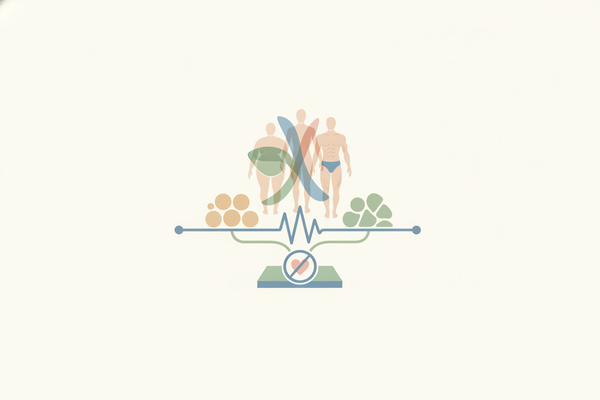
- Ectomorph: Typically lean, with narrow shoulders and hips, long limbs, and often described as having a fast metabolism.
- Mesomorph: Naturally muscular and athletic, with broader shoulders, a narrow waist, and may find it easier to gain muscle.
- Endomorph: Softer, rounder bodies, often with wider hips, shorter limbs, and may have a tendency to store fat more easily.
Where Do Apple vs Pear Body Shape Fit In?
Beyond somatotypes, body shape language such as apple vs pear body shape or hourglass, rectangle, inverted triangle is commonly used, especially in fashion and health. Apple shapes carry more weight around the waist, while pear shapes tend to store fat in the hips and thighs. These frameworks can overlap with somatotype concepts but focus more on fat distribution than skeletal build.
Why Does It Matter?
Understanding your body type can help you choose training and nutrition strategies that feel right for you, and even inform how you shop for clothes. Most importantly, it’s a tool for self-awareness—not a box for self-judgment. Your body type is largely genetic, but healthy habits, confidence, and support (including tracking tools like Trimm) matter for everyone.
Section 2: How to Identify Your Body Type
Key Physical Traits: Shoulders, Hips, Frame, Distribution
If you’ve ever wondered, “What body type am I?,” the answer involves looking at your natural bone structure, muscle distribution, and how your body stores fat. Here’s what to observe:
- Frame size: Are your wrists and ankles small, medium, or large in proportion to your height?
- Shoulders and hips: Are your shoulders wider than your hips, vice versa, or about even?
- Fat and muscle: Do you gain weight easily, or stay lean with minimal effort? Do you build muscle quickly or struggle to add mass?
Self-Assessment: Quick Tests and Clues
Here are some simple ways to guess your somatotype (remember, these are guidelines, not medical diagnoses):
- Ectomorph: Slender, with difficulty gaining weight. Wrists and ankles are small. Clothes often fit loosely.
- Mesomorph: Athletic, with a naturally defined waist and broad shoulders. Gains muscle with moderate training.
- Endomorph: Rounder shape, wider hips, and tends to gain weight/fat easily. May have shorter limbs relative to torso.
Some people use online quizzes or calculators, but a mirror and honest reflection are often just as useful. For another perspective, check out the Am I Fat Quiz: Understanding Your Body & Weight Health for a body-positive, health-focused approach.
Body Type in Females vs Males
“Female body shapes explained” often focuses on hourglass, pear, apple, and rectangle, while “male body types” may use terms like V-shape, rectangle, or inverted triangle. While hormones influence fat distribution, the fundamental somatotype framework applies to all genders. For a comprehensive look at male body types, shapes, and training, see our in-depth guide. For more details on female body shapes, measurements, and tips, check out our dedicated guide.
Section 3: Hybrid and Mixed Body Types
Can You Be a Mix of Two Body Types?
Absolutely. Most people are not perfect examples of a single somatotype. Instead, you may see yourself in a “hybrid” or “mixed” category. Examples include:
- Ecto-mesomorph: Lean frame with athletic, easily-built muscle.
- Meso-endomorph: Muscular but with a tendency to store extra fat.
- Ecto-endomorph: Slender arms/legs but with central fat accumulation (sometimes seen in apple body shapes).
What Determines Your Mix?
Your genetics set the blueprint, but age, hormones, lifestyle, and training history all play a role. For example, someone may have been a classic ectomorph in youth, but gain endomorphic traits with age or after life changes (pregnancy, menopause, or hormonal shifts).
Why Hybrids Matter
Recognizing your hybrid status helps set realistic expectations—especially around fitness or weight loss. For example, a meso-endomorph can build muscle well but may need to focus on managing fat gain. Trimm makes it easy to track these changes over time, so you can see your unique journey unfold.
Section 4: Body Types and How They Gain Muscle and Fat
Muscle and Fat Gain by Body Type
- Ectomorphs: Often have a high metabolism and may find it challenging to gain weight. Muscle gains can be slower; fat gain is less common unless calorie intake is significantly increased.
- Mesomorphs: May find it easier to gain muscle and maintain a moderate level of body fat. With training, their physique may respond more quickly than others.
- Endomorphs: May store fat more easily, especially in the lower body (for pear shapes) or around the waist (apple shapes). Muscle gains can occur, but so can fat gain if calorie intake is not balanced.
Metabolism and Hormones
Metabolic rate is one factor among many. While ectomorphs are often described as having a "fast" metabolism, and endomorphs as more efficient at storing energy, individual variation is significant. Hormones (like estrogen and testosterone) influence where fat is stored—explaining differences between apple vs pear body shapes and between male/female body types.
Body Type and Health Risks
Different body types may be associated with different health considerations. For example, apple-shaped bodies (with more abdominal fat) may have a higher risk for metabolic syndrome or heart disease than pear-shaped ones. Waist size is a more important health marker than weight alone. No body type is "better"—each has strengths and challenges. It’s about understanding, not judgment.
Section 5: Training and Exercise Recommendations by Body Type
Resistance Training and Cardio for Ectomorphs
- Ectomorphs: May benefit from focusing on heavy, compound lifts (like squats, deadlifts, bench press) with lower reps, higher weight, and ample rest. Excessive cardio could make it harder to build muscle mass for some people. Recovery is important—avoid overtraining.
Best Workouts for Mesomorphs
- Mesomorphs: Often respond well to a mix of strength training and moderate cardio. Incorporate variety—bodyweight exercises, free weights, HIIT—to support muscle definition and cardiovascular health. Track your progress with tools like Trimm for motivation and accountability.
Endomorph Training Strategies
- Endomorphs: May benefit from higher-volume, circuit-style workouts that combine resistance and aerobic training. Cardio (walking, biking, swimming) can help support fat management. Focus on consistency and gradual progression to avoid burnout or injury.
Remember: These are starting points. Everyone’s body adapts differently. Your preferences, goals, and individual response matter most. Before starting any intense regimen, especially if you are using GLP-1 medications or have medical conditions, consult a healthcare provider.
Section 6: Diet and Nutrition for Ectomorph, Mesomorph, and Endomorph
Macronutrient Guidelines
Calorie and macronutrient needs can vary by body type, but individual differences are significant. Here’s a general overview:
- Ectomorph: May benefit from a higher-carb diet, moderate protein, and moderate fat to support muscle gain and energy.
- Mesomorph: Often responds well to balanced macros—carbs, protein, and fat—to support muscle and steady energy.
- Endomorph: Some find that lower carbs, higher protein, and moderate to higher fats help regulate appetite and blood sugar, but needs vary.
Dietary Considerations and Body Positivity
Restriction isn’t the answer. Instead, focus on nutrient-dense, satisfying foods. For those on GLP-1 medications (like Ozempic, Wegovy, Mounjaro, Zepbound), appetite and food preferences may change. Trimm helps you track side effects and dietary adjustments over time. Always discuss significant diet changes with a healthcare provider, especially if you take medication. For a comprehensive overview of GLP-1 weight loss medications, results, and safety, see our definitive guide.
Sample Meal Approaches
- Ectomorph: Emphasize whole grains, potatoes, legumes, lean meats, and healthy oils.
- Mesomorph: Prioritize lean protein, complex carbs, healthy fats, and plenty of vegetables.
- Endomorph: Focus on non-starchy veggies, lean proteins, healthy fats, and portion-controlled carbs.
Section 7: The Science, Myths, and Limits of Body Type Models
Are Somatotypes Scientifically Accurate?
The “ectomorph, mesomorph, endomorph” model is descriptive—it captures broad trends, but isn’t a precise science. Current research suggests most people are hybrids, and body composition is influenced by many genes, hormones, and lifestyle factors. No diet or workout plan works for all people with a certain body type.
Genetics vs Lifestyle
Genetics set the foundation—bone structure, fat distribution, metabolism—but sleep, stress, nutrition, movement, and medication all play huge roles. For those using weight-loss medications, tracking helps reveal what works best for you. Tracking your GLP-1 progress can highlight positive changes beyond weight alone.
Body Type Myths
- No one is “stuck” with a single body type forever.
- Body types don’t determine your health, worth, or potential.
- “Can you change your body type?” Yes and no: you can’t change your bones, but you can influence muscle, fat, and overall fitness with consistent effort. For more on this topic, see our definitive guide to changing your body type.
Section 8: Body Types, Health, Dressing, and Self-Confidence
Body Shape and Health
Health risks relate more to where you carry weight (especially visceral fat around the waist) than to your somatotype. Apple vs pear body shape distinctions can matter for health screening, but all body types deserve positive self-regard. Waist measurement (not just scale weight) is a key marker for metabolic health. If you want to learn more about how to tell if you are at a healthy weight, check out our complete guide.
How to Dress for Your Body Type
Clothing choices can boost comfort and confidence. Here are some tips:
- Ectomorph: Fitted shirts, layered looks, and structured jackets add shape.
- Mesomorph: Show off natural curves with tailored clothing; avoid overly baggy fits.
- Endomorph: Embrace high-waisted pants, A-line skirts, and vertical stripes for elongation.
Remember, style is personal—wear what feels good, not what the rules say. For a deeper dive, see our upcoming guides on fashion for every shape. For a comprehensive, body-positive guide on body types and shapes, check out our ultimate resource.
Building Self-Confidence
Body positivity starts with acceptance. Every body type has strengths. Supportive tools like Trimm can help you see progress and celebrate milestones, no matter your shape or size. Focus on health, comfort, and self-care, not comparison or perfection.
Conclusion
Understanding the ectomorph, mesomorph, and endomorph body types—and their hybrids—can give you insight into your own physiology, training, nutrition, and even wardrobe choices. But these categories are descriptive, not destiny. Genetics play a role, but healthy habits, a positive mindset, and the right tracking tools make a meaningful difference. Whether you’re using GLP-1 medications or simply want to feel your best, focus on progress, not perfection. For a supportive, all-in-one way to track your health journey, explore Trimm and see how far you’ve come.
FAQ
Q: What is the difference between ectomorph, mesomorph, and endomorph?
A: Ectomorphs are typically lean with a fast metabolism and long limbs; mesomorphs are naturally muscular and athletic; endomorphs have a rounder build and may store fat more easily. Most people fall somewhere in between.
Q: How do I know if I’m an ectomorph, mesomorph, or endomorph?
A: Look at your natural bone structure (wrists, shoulders, hips), muscle distribution, and how easily you gain weight or muscle. Most people are hybrids, but self-assessment or quizzes can help guide you.
Q: Can you be a mix of two body types?
A: Yes, most people are hybrids (e.g., meso-endomorph or ecto-mesomorph) and may see traits of more than one somatotype, which can shift over time.
Q: What is the best diet for an ectomorph, mesomorph, or endomorph?
A: Ectomorphs may need more carbs and calories; mesomorphs often do well with balanced macros; endomorphs may benefit from higher protein and lower carbs. Always personalize your diet and consult a healthcare provider if unsure.
Q: What is the best workout for each body type?
A: Ectomorphs: heavy resistance, less cardio; mesomorphs: mix of strength and cardio; endomorphs: higher-volume, circuit training with cardio. But individual response and enjoyment matter most.
Q: Are body types like ectomorph and endomorph scientifically accurate?
A: The model is a helpful description but not a precise science. Genetics, lifestyle, and environment all play roles—most people are hybrids, and body type does not determine health or worth.