What Body Type Am I? The Ultimate Guide to Body Shapes & Types
Curious about your body type? Learn how to tell if you're ectomorph, mesomorph, endomorph, or apple, pear, hourglass, rectangle, and more. Body-positive, comprehensive guide.


Estimated reading time: 15 min
Key Takeaways
- Body type is a descriptive, not prescriptive, framework—there’s no “ideal.”
- Most people are a mix of classic types: ectomorph, mesomorph, endomorph, or apple, pear, hourglass, rectangle, inverted triangle.
- Identifying your body type involves measurements, mirrors, and self-reflection, not judgment.
- Your body type influences fat distribution, muscle gain, and sometimes health risks—but you can’t fully change it.
- Use your body type as a tool for self-understanding, dressing, and tracking progress—not as a limit.
Table of Contents
- Section 1: Understanding Body Types—Frameworks and Myths
- Section 2: The Science of Body Types—Ectomorph, Mesomorph, Endomorph
- Section 3: The Body Shape Categories—Apple, Pear, Hourglass, and More
- Section 4: How to Tell What Body Type You Are
- Section 5: Mixed and Hybrid Body Types
- Section 6: Body Type, Health, and Weight Changes
- Section 7: Dressing and Training for Your Body Type
- Section 8: Tracking Progress and Body Positivity
- Conclusion
- FAQ
Section 1: Understanding Body Types—Frameworks and Myths
Why Do We Classify Body Types?
Asking "what body type am I" is a way to better understand your genetics and how your body stores fat, gains muscle, and looks in the mirror. Body type frameworks help us describe tendencies, not set limits. They can offer insights into health, training, and even how to dress confidently.
- Descriptive, not prescriptive: Body type is about trends, not hard categories.
- Non-judgmental: No body type is “better” or “worse.” Diversity is normal.
- Useful for self-awareness: Knowing your type can make progress tracking, fitness, and clothing choices more satisfying.
Popular Frameworks: Somatotypes & Body Shapes
The main systems are:
- Somatotypes: Ectomorph, mesomorph, endomorph—based on muscle/fat distribution, bone structure, and metabolism.
- Body shape categories: Apple, pear, hourglass, rectangle, inverted triangle—based on visual silhouette and body measurements.
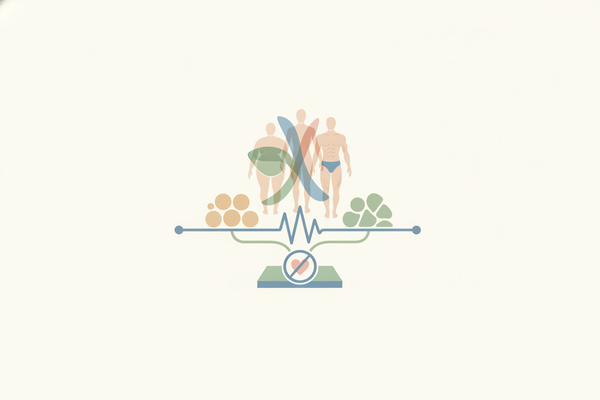
Each offers a different lens. Somatotypes focus on build and physique, while shape categories focus on proportions.
Debunking Myths
- Myth: You can fully change your body type with diet or exercise. Truth: You can shift your physique, but bone structure and fat distribution are mostly genetic.
- Myth: Only one body type is healthy or attractive. Truth: Health and beauty come in all shapes and sizes.
- Myth: Men and women have completely different body type systems. Truth: Both can use both frameworks, though some terms are more common in one group.
Section 2: The Science of Body Types—Ectomorph, Mesomorph, Endomorph
What Are Somatotypes?
The ectomorph, mesomorph, endomorph model was developed in the 1940s to describe basic physiques:
- Ectomorph: Slim, long limbs, narrow shoulders/hips, finds it hard to gain weight or muscle. Example: Many marathon runners.
- Mesomorph: Athletic, naturally muscular, wider shoulders, gains muscle easily. Example: Sprinters, some swimmers.
- Endomorph: Softer, rounder, wider waist/hips, gains fat easily but can also build muscle. Example: Powerlifters, some throwers.
Most people aren’t “pure” types but fall somewhere in between (like meso-endo or ecto-meso). For a deeper dive into these classic body types, see our definitive guide to ectomorph, mesomorph, and endomorph body types.
How Do Ectomorphs, Mesomorphs, and Endomorphs Differ?
- Muscle gain: Mesomorphs may gain muscle more easily, endomorphs next, ectomorphs often gain muscle more slowly.
- Fat gain: Endomorphs tend to gain fat more easily, especially around the waist and hips. Ectomorphs may resist fat gain.
- Metabolism: Ectomorphs are often described as having a faster metabolism; endomorphs may have a slower one. Mesomorphs are considered in the middle.
Male and Female Body Types
While the "ectomorph, mesomorph, endomorph" system is used for both genders, societal standards can shape how we talk about male body types vs. female body shapes. For example, men may focus on muscle gain while women discuss curves or waist-to-hip ratio.
Remember, these are just starting points. Your unique mix matters most!
Section 3: The Body Shape Categories—Apple, Pear, Hourglass, and More
Female Body Shapes Explained
- Hourglass: Bust and hips are roughly equal; waist is well-defined. Example: 38-28-38 inches.
- Pear (Triangle): Hips wider than bust/shoulders; fat stored in thighs and hips. Example: 34-28-40 inches.
- Apple (Round): Carries weight in the midsection; shoulders and bust may be broader than hips. Example: 40-36-36 inches.
- Rectangle (Athletic): Bust, waist, and hips are similar in size; minimal waist definition. Example: 36-30-36 inches.
- Inverted Triangle: Shoulders/bust noticeably wider than hips. Example: 40-30-34 inches.
These shapes apply to all genders but are more often used in "female body shapes explained" guides. Men can have similar patterns (e.g., carrying more weight around the waist or having broader shoulders). For a body-positive approach to these categories, see our ultimate body-positive guide to body types and shapes.
Apple vs Pear Body Shape: Key Differences
- Apple: Tends to store fat around the stomach; higher waist-to-hip ratio; may be associated with certain health risks.
- Pear: Stores fat in hips/thighs; lower waist-to-hip ratio; often a smaller upper body.
Your shape isn’t a verdict—it’s just a map for understanding your body’s tendencies.
Why Body Shape Matters
- Fat distribution and health: Some research suggests that apple shapes may have a higher risk for certain metabolic conditions, while pear shapes may have a different risk profile.
- Clothing and self-expression: Knowing your shape helps you choose clothes that feel great and express your style.
For more on understanding weight, check out our deep dive into body and weight health.
Section 4: How to Tell What Body Type You Are
Step 1: Measurement—Shoulders, Waist, and Hips
Grab a soft tape measure and wear snug clothing or underwear. Stand tall and relaxed. Here’s what to measure:
- Bust/Chest: Around the fullest part of your chest, arms relaxed at sides.
- Waist: Narrowest part, usually above your belly button.
- Hips: Widest part of your hips and buttocks.
- Shoulders (optional): Around the broadest part (often requires help).
Write down your numbers. Here’s a shortcut for shape:
- If bust and hips are nearly the same and waist is 8+ inches smaller, you’re likely an hourglass.
- If hips are 5+ inches larger than bust/shoulders, you’re likely a pear.
- If shoulders/bust are 5+ inches larger than hips, you’re likely an inverted triangle.
- If waist is less than 8 inches smaller than bust or hips, rectangle/athletic is likely.
- If waist is the widest part, apple shape is likely.
Step 2: Visual Self-Assessment
- Stand in front of a full-length mirror, feet together, arms at sides.
- Note where your body appears widest and narrowest.
- Check your silhouette: curvy (hourglass), straight (rectangle), top-heavy (inverted triangle), bottom-heavy (pear), or rounder in the middle (apple).
Step 3: Somatotype Clues
- Do you gain weight easily or struggle to gain at all?
- Is it easier for you to build muscle or does it take months of hard work?
- Are your limbs long and narrow, or short and solid?
Combine measurements, mirror checks, and your history with muscle/fat gain for a fuller picture.
Section 5: Mixed and Hybrid Body Types
Can You Be More Than One Body Type?
Absolutely! Most people don’t fit neatly into a single category. “Hybrid” types are the norm, not the exception.
- Ecto-mesomorph: Lean with some muscle—think swimmers or dancers.
- Meso-endomorph: Stocky, muscular, and curvy—think rugby players or some powerlifters.
- Pear-rectangle: Hips slightly wider than shoulders, but waist isn’t dramatically defined.
- Apple-hourglass: Carries weight in the middle but still has a defined waist and balanced bust/hips.
Why Hybrids Happen
Your shape and build are influenced by genetics, hormones, age, and lifestyle. You may shift categories slightly as you gain/lose weight, train, or age, but your skeleton and fat distribution are largely set by DNA.
Body Type Changes Over Time
- Puberty, pregnancy, menopause, and aging can all shift your proportions.
- Major weight loss or muscle gain will change your silhouette, but the basic framework often remains.
Remember, your body type isn’t a box—it’s a spectrum. Embrace your unique mix!
Section 6: Body Type, Health, and Weight Changes
How Does Body Type Affect Health?
- Apple shape and endomorphs: May have higher risk for metabolic syndrome, diabetes, or cardiovascular issues due to central fat storage.
- Pear shape: Fat carried in hips/thighs is generally considered to have a different risk profile, but can still be associated with certain health considerations if overall weight is high.
- Ectomorphs: May find it hard to gain healthy muscle or fat, sometimes leading to nutrient deficiencies.
Body type is just one factor in health—not a destiny. Lifestyle, diet, and medical care matter far more than your natural shape. If you want to learn more about what constitutes a healthy weight for your body, see our complete guide to determining if you are at a healthy weight.
Body Type and GLP-1 Weight Loss
GLP-1 medications like Ozempic, Wegovy, Mounjaro, and Zepbound affect appetite and metabolism, but your body type may influence how and where you lose weight. For example:
- Apple shapes may notice abdominal fat reducing first.
- Pear shapes may see slower changes in hips/thighs.
- Muscle loss can occur, especially in people with lower muscle mass or with rapid weight loss—track measurements, not just weight.
Always consult your healthcare provider before starting, stopping, or changing any medication. For step-by-step tips on tracking side effects, see our GLP-1 side effects tracking guide.
Is It Possible to Change Your Body Type?
- Changeable: Your muscle-to-fat ratio, fitness, and even your silhouette can shift with training, nutrition, and time.
- Not changeable: Your fundamental bone structure (shoulder/hip width, limb length) and fat distribution patterns are mostly genetic.
Focus on what you can influence—strength, health, confidence—rather than chasing someone else’s shape.
Section 7: Dressing and Training for Your Body Type
How to Dress for Your Body Type
Clothing that flatters your shape can boost confidence and comfort. Here are some general tips:
- Hourglass: Accentuate waist with belts or fitted tops; embrace tailored pieces.
- Pear: Highlight shoulders with boat/necks, add volume up top, opt for A-line skirts.
- Apple: Choose empire waists, v-necks, and clothing that skims the midsection.
- Rectangle: Create curves with peplum tops, ruched fabrics, and layered looks.
- Inverted Triangle: Balance broader shoulders with wide-leg pants or full skirts.
Men can use similar logic—balancing proportions, emphasizing their favorite features.
How to Train for Your Body Type
- Ectomorph: Focus on resistance training; prioritize calories and protein to build muscle.
- Mesomorph: May respond well to a mix of strength and cardio; moderate calories can support muscle and leanness.
- Endomorph: Combining strength and aerobic exercise, along with balanced nutrition, may support overall health and fitness.
But remember: the best workout is one you enjoy and can sustain. For a holistic approach to tracking progress, including measurements and milestones, apps like Trimm can help you celebrate every win—no matter your body type.
Section 8: Tracking Progress and Body Positivity
Why Track Measurements, Not Just Weight?
- Weight alone doesn’t tell the whole story—measurements show where you’re losing fat or gaining muscle.
- Tracking bust/chest, waist, and hips monthly helps you see shifts in body shape, not just scale changes.
Apps like Trimm let you log these stats, track injections, meals, and side effects, and turn it all into easy-to-read charts. This makes it simple to spot trends and milestones over your GLP-1 journey.
Body Positivity and Self-Compassion
- Your value is not your shape. Every body type is worthy of care and celebration.
- Focus on progress, not perfection. Changes take time, and every step counts.
- Share your journey or seek support. Community and kindness help you stay motivated.
For more on how to track your journey and progress, see our full GLP-1 progress tracking guide.
Conclusion
Understanding your body type—whether you resonate with ectomorph, mesomorph, endomorph, or the classic apple, pear, hourglass, rectangle, or inverted triangle shapes—is about self-knowledge, not self-judgment. Use this knowledge to guide your fitness, wardrobe, and health journey in a way that celebrates your unique makeup. Remember, most people are hybrids, and your body will change with time, training, and life events—but your worth never depends on your shape. If you’re tracking a GLP-1 journey, tools like Trimm can help you log your progress with care and confidence. Embrace your body, track what matters, and focus on feeling your best—your journey is uniquely yours.
FAQ
Q: What body type am I if my shoulders are wider than my hips?
A: If your shoulders are noticeably broader than your hips, you likely have an inverted triangle body shape. This type is common in athletes and often means you have a strong upper body. Men and women can both have this shape. It’s also possible you have mesomorphic or ecto-mesomorphic traits if you gain muscle easily in your upper body.
Q: How do I figure out my body type with a tape measure?
A: Use a soft tape measure to record your bust/chest, waist, and hips at their fullest/narrowest points. Compare these numbers: if your waist is much smaller than bust/hips, you may be hourglass; if hips are largest, pear; if waist is largest, apple; if all are similar, rectangle. Shoulders wider than hips suggest an inverted triangle.
Q: What are the differences between ectomorph, mesomorph, and endomorph?
A: Ectomorphs are naturally slim with long limbs, may struggle to gain weight or muscle. Mesomorphs are athletic, build muscle easily, and have a naturally defined shape. Endomorphs tend to be rounder, may gain fat easily, and may have a wider waist or hips. Most people fall between these categories, not at the extremes.
Q: Am I an hourglass, pear, apple, or rectangle body shape?
A: Measure your bust, waist, and hips. If bust and hips are similar and your waist is much smaller, you’re likely hourglass. If hips are much wider than bust/shoulders, you’re pear. If waist is widest, you’re apple. If all measurements are similar, you’re rectangle or athletic. Silhouette checks in the mirror help, too.
Q: Can you have a combination body type?
A: Yes, most people are hybrids—like ecto-mesomorphs or pear-rectangles. Your body type can also change somewhat with age, training, or life events, but your basic structure is set by genetics.
Q: Does body type determine how easy it is to gain weight or muscle?
A: It’s a factor, but not destiny. Endomorphs may gain fat and muscle more easily; ectomorphs may struggle to gain either; mesomorphs may build muscle fastest. However, diet, activity, and lifestyle have a huge influence, so anyone can make meaningful changes over time.