GLP-1 Physical Activity Guidelines: Safe and Effective Exercise Plans for GLP-1 Users
Explore GLP-1 physical activity guidelines to safely and effectively enhance your exercise plan while on GLP-1 therapy, optimizing blood sugar and weight-loss benefits.

Estimated reading time: 6 minutes
Key Takeaways
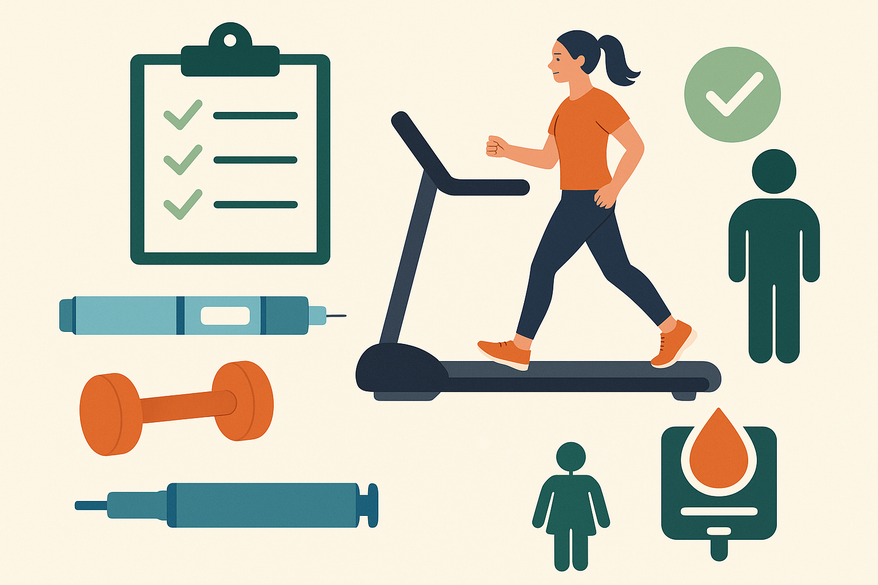
- GLP-1 receptor agonists regulate blood sugar and appetite, enhancing weight loss when paired with exercise.
- Tailored workouts optimize glycemic control, preserve muscle, and reduce side effects.
- Weekly activity targets include aerobic, strength, and flexibility components.
- Start gradually, monitor intensity with the “talk test,” and adjust for nausea or fatigue.
- Follow safety tips and consult your healthcare team before beginning any new regimen.
Table of Contents
- Section 1: What Is GLP-1 and Why Does It Matter for Exercise?
- Section 4: Step-by-Step GLP-1 Physical Activity Guidelines
- 4.1 Overall Weekly Targets
- 4.2 Starting Phase (First 4–8 Weeks)
- Beginner Strength Training Basics
- FAQ
Section 1: What Is GLP-1 and Why Does It Matter for Exercise?
GLP-1 stands for glucagon-like peptide-1, a gut-derived hormone that:
- Triggers insulin release when blood sugar is high
- Curbs appetite by slowing gastric emptying
- Modulates digestion and fullness
GLP-1 receptor agonists mimic this hormone to treat type 2 diabetes and obesity by enhancing these natural effects. For detailed mechanisms, see BSW Health, explore basics at NAM Health Basics: GLP-1s, or review the WHO GLP-1 medicines guideline. If you’re new to these medications, check out our beginner’s guide to starting GLP-1 therapy safely. For a deeper dive into how intermittent fasting and GLP-1 therapy can work together, see our guide on the synergy between intermittent fasting and GLP-1 therapy. For those interested in optimizing their eating patterns, our comprehensive guide to the best fasting schedule for GLP-1 users offers detailed strategies. If you want to learn more about how GLP-1 receptor agonists help regulate blood sugar, see our comprehensive guide to using GLP-1 for blood sugar management. For a comprehensive overview of how GLP-1 therapy benefits people with type 2 diabetes—including blood sugar control, weight loss, and heart protection—read our GLP-1 benefits for type 2 diabetes guide. For those seeking to optimize their nutrition while on these medications, our comprehensive guide to the best diet for GLP-1 therapy provides evidence-based recommendations.
Section 4: Step-by-Step GLP-1 Physical Activity Guidelines
These guidelines assume medical clearance and should be personalized with your healthcare team.
4.1 Overall Weekly Targets
- Aerobic: 150–300 minutes moderate OR 75–150 minutes vigorous per week (Join Levity)
- Strength: ≥2 days/week, covering all major muscle groups (Join Levity; Frontiers; PMC)
- Flexibility/mobility: daily stretching or yoga for joint health (Join Levity)
4.2 Starting Phase (First 4–8 Weeks)
Duration & frequency:
- Begin with 10–20 minutes, 3–4 days/week of low-impact, moderate-intensity activity (Join Levity)
- Progress to 20–30 minutes, 4–5 days/week as tolerated (Join Levity)
Aerobic options:
- Walking on flat ground
- Stationary cycling
- Easy swimming or water aerobics
- Gentle dance or low-impact group classes (Join Levity)
Intensity markers:
- “Talk test”: can speak full sentences
- Mild heart rate increase, slight breathlessness
Beginner strength (1–2 days/week):
- Bodyweight or light resistance exercises:
- Sit-to-stand from chair
- Wall or modified push-ups
- Light dumbbells or bands for arms and legs
- 1–2 sets of 8–12 reps, 30–60 seconds rest (Join Levity; Frontiers; PMC)
GLP-1 considerations:
- Schedule workouts when nausea is low (Intermountain; NAM)
- Hydrate if GI upset occurs (Intermountain)
- Reduce intensity if fatigue or dizziness strikes (Intermountain; NAM)
FAQ
- Can I start exercising immediately on GLP-1 therapy?
You should receive medical clearance before beginning any exercise plan. Start slowly to gauge tolerance and adjust for side effects like nausea or fatigue. - How do I monitor workout intensity?
Use the “talk test”: you should be able to speak in full sentences without gasping. Track heart rate and perceived exertion to stay in the moderate zone. - What if I experience dizziness or GI upset?
Pause your session, hydrate, and consider reducing intensity or shifting to lower-impact activities until symptoms subside. - How soon will I see benefits?
Improvements in blood sugar control can appear within weeks; muscle strength and endurance typically build over 4–8 weeks with consistent training. For more on how GLP-1 medications impact weight and safety, see our definitive guide to GLP-1 weight loss medications. If you're looking for the most effective exercise routines, check out our complete guide to the best workouts for GLP-1 users. For additional strategies on maintaining your regimen, see our practical guide to sticking to GLP-1 therapy for long-term success. For a comprehensive approach to sustainable habits, our guide to lifestyle modifications for GLP-1 users can help you build lasting routines. For a step-by-step GLP-1 exercise plan to maximize your therapy, see our GLP-1 exercise plan with targeted workouts. If you're interested in how fasting can be combined with your medication for optimal results, our guide to combining GLP-1 therapy with fasting for optimal weight loss offers practical strategies.