The Essential Role of GLP-1 Community Support for Long-Term Success
Explore why GLP-1 community support is crucial for sustained therapy success, enhancing adherence, motivation, and long-term health outcomes.

Estimated reading time: 8 minutes
Key Takeaways
- Enhanced adherence: Community networks promote consistent medication use and structured check-ins.
- Practical guidance: Coaching programs translate clinical advice into daily routines for nutrition, exercise, and behavior change.
- Emotional reinforcement: Peer groups offer motivation, shared strategies for side-effect management, and reduced isolation.
- Digital tracking: Apps and telehealth tools streamline progress monitoring, turning data into actionable insights.
- Integrated care: Blending clinician oversight, coaching, and peer support maximizes long-term outcomes.
Table of Contents
- Introduction
- Section 1: Understanding GLP-1 Therapy
- Section 2: The Role of GLP-1 Community Support
- Section 3: Coaching Programs in GLP-1 Therapy
- Section 4: Peer Groups and Their Impact
- Section 5: How to Get Involved
- Conclusion
- FAQ
Introduction
GLP-1 community support plays a pivotal role in helping people thrive on GLP-1 therapy. In this post, we’ll explore how community networks boost outcomes for GLP-1 therapy users and why peer encouragement, coaching, and structured programs matter for lasting health gains. For an all-in-one solution to track your journey and share insights with peers, consider using Trimm, which turns your data into meaningful charts and milestones.
GLP-1 receptor agonists are medications that mimic the natural hormone GLP-1 to regulate blood sugar, curb appetite, and facilitate weight loss. They work by stimulating insulin release, slowing gastric emptying, and increasing satiety. These drugs are revolutionizing care for chronic metabolic conditions.
Primary uses of GLP-1 therapy include type 2 diabetes management and obesity care. In diabetes, they improve glycemic control and reduce the risk of complications. In obesity, they support significant weight loss and improve cardiovascular and kidney outcomes. For a comprehensive overview of these medications, their results, and safety, see our GLP-1 Weight Loss: The Definitive Guide.
Community support delivers measurable benefits:
- Improved adherence to medication schedules
- Better side-effect management through shared tips
- Ongoing accountability and structured check-ins
- Peer encouragement that sustains motivation
By combining medical guidance with social connection, GLP-1 community support helps users navigate challenges and maintain positive lifestyle changes.
Section 1: Understanding GLP-1 Therapy
1.1 Mechanism of Action
GLP-1 (glucagon-like peptide-1) is a gut-derived incretin hormone. When mimicked by GLP-1 receptor agonists, it:
- Stimulates insulin secretion in response to meals, lowering blood glucose
- Slows gastric emptying to prolong fullness after eating
- Reduces appetite and cravings via central nervous system pathways
Common GLP-1 drugs include Semaglutide (Wegovy, Ozempic, Rybelsus) and Tirzepatide (Mounjaro, Zepbound). These medications replicate hormonal signals that regulate metabolism and energy balance.
1.2 Therapeutic Benefits
GLP-1 therapies offer multiple health gains:
- Blood sugar control in type 2 diabetes, reducing HbA1c and insulin needs
- Weight loss through decreased calorie intake and slower digestion
- Cardiovascular protection by lowering blood pressure and improving lipids
- Kidney health support via reduced albuminuria and improved renal function
These effects extend beyond weight to overall metabolic well-being and disease risk reduction.
1.3 Why Support Matters
Even with powerful drugs, patients face hurdles:
- Nutrition challenges: Reduced appetite can lead to nutrient gaps—learn detailed meal strategies in our guide The Best Diet for GLP-1 Therapy.
- Side-effect management: Nausea, constipation, and hydration issues require tailored tips—see our GLP-1 Side Effects Guide.
- Physical activity: At least 150 minutes/week of moderate exercise plus 2–3 strength sessions preserves lean mass.
- Behavior change: Long-term success hinges on sleep quality, stress control, and social engagement. For more on building sustainable habits, see our guide to behavior change with GLP-1 therapy and optimal sleep for weight loss.
GLP-1 community support fills these gaps by offering tailored guidance and real-time problem-solving.
Section 2: The Role of GLP-1 Community Support
2.1 Definition and Components
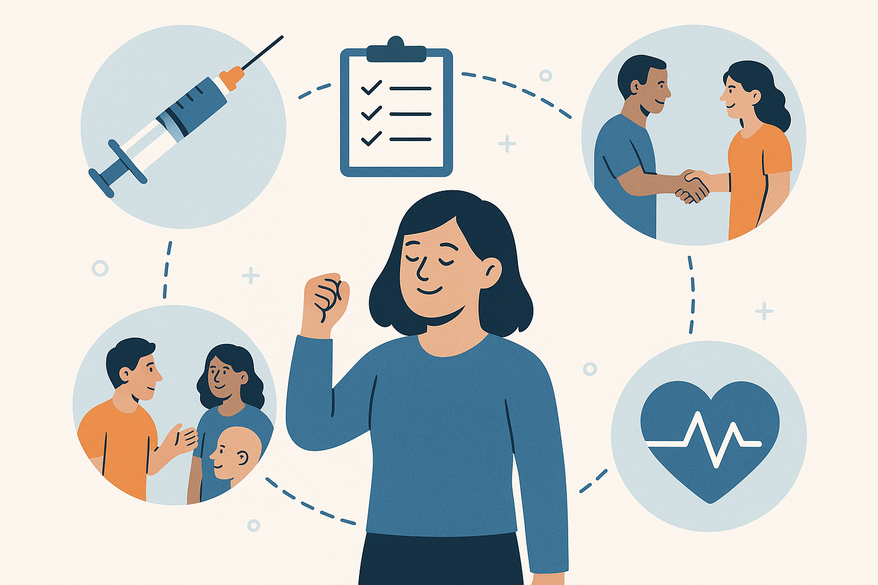
GLP-1 community support combines clinical expertise, coaching, peer connection, and technology:
- Clinical teams: Endocrinologists, dietitians, behavioral health providers coordinate care.
- Coaching programs: Certified health, nutrition, and fitness coaches guide daily routines.
- Peer groups: Online forums, social media circles, and local meetups foster shared learning.
- Digital platforms: Apps and telehealth portals track progress and facilitate virtual check-ins—discover tracking best practices in our Complete GLP-1 Tracker Guide.
2.2 Impact on Adherence and Outcomes
Community support addresses common drop-off factors:
- Normalizing side effects reduces early discontinuation when nausea or plateaus occur.
- Accountability through group check-ins and digital trackers boosts medication persistence. For more strategies, check out our GLP-1 medication adherence tips and practical guide to long-term success.
- Lifestyle coaching reinforces nutrition education and exercise plans aligned with clinical guidelines.
- Emotional support and reduced stigma strengthen motivation and well-being.
These elements translate into higher long-term engagement and better health metrics.
2.3 Real-World Examples
- Integrated health system programs: Combine GLP-1 prescriptions with dietitian visits and weight-management classes.
- Online communities: Member-driven forums moderated by experts to share evidence-based tips.
- Research-informed group programs: Patient feedback informs service design, enhancing relevance and uptake.
These models demonstrate that blending peer, coach, and clinician input strengthens outcomes.
Section 3: Coaching Programs in GLP-1 Therapy
3.1 Purpose and Value
Coaching bridges the gap between clinical advice and everyday action:
- Translates meal plans and exercise prescriptions into practical routines.
- Emphasizes protein targets and strength training to preserve muscle mass.
- Provides emotional support and habit-formation tools to prevent relapse.
3.2 Coaching Modalities
- Nutritional coaching: Portion control, macronutrient targets, fiber strategies, and micronutrient monitoring.
- Exercise coaching: Gradual buildup to 150 minutes of moderate cardio plus 2–3 strength sessions per week.
- Behavioral coaching: Habit stacking, stress management techniques, and improved sleep hygiene.
3.3 Integration with Community Support
This hybrid approach ensures expert input, peer accountability, and continuity of care. For practical strategies on building routines that support consistent therapy adherence, see our GLP-1 Routine Building Guide. Additionally, explore our GLP-1 Coaching Programs: Expert Guidance and Community Support for Therapy to learn how coaching programs enhance your therapy experience. For advice on maintaining your progress, also consider our 10 Essential Post-GLP-1 Maintenance Tips to Sustain Your Weight Loss.
Section 4: Peer Groups and Their Impact
4.1 What Peer Groups Offer
Peer support groups for GLP-1 users provide:
- Medication discussions: Dose titration, side-effect hacks, injection tips.
- Practical strategies: Meal timing, hydration routines, fiber adjustments.
- Emotional sharing: Body image, plateaus, public perceptions.
- Healthcare navigation: Insurance approvals, prescription access, clinician communication.
4.2 Mutual Benefits
Peer groups foster:
- Validation of common experiences, reducing isolation.
- Collective problem-solving, such as small-meal approaches and herbal teas for nausea.
- Motivation through shared celebrations and perseverance stories. For more on staying motivated, see our practical strategies for long-term success with GLP-1 therapy.
- Improved adherence and healthier behaviors via social reinforcement.
4.3 Finding or Forming Peer Groups
• Ask clinics about existing GLP-1 or weight-management support groups.
• Search GLP-1–specific online forums with evidence-based moderation.
• Partner with dietitians or therapists to facilitate small cohorts.
• Launch a 4–8 person virtual meetup with set agendas, check-ins, and goal tracking.
For those interested in expanding their network, our Discover the Best GLP-1 Support Groups for Lasting Results post offers a curated list of effective peer communities. To better understand how body image can affect your experience, see our Body Types and Shapes: The Ultimate Body-Positive Guide.
Section 5: How to Get Involved
5.1 Healthcare Channels
• Request dietitian or diabetes educator referrals from your endocrinologist or primary care provider.
• Inquire about integrated weight-management programs that include GLP-1 therapy.
5.2 Professional Services
• Search dietitian and exercise specialist directories for GLP-1 expertise.
• Compare one-on-one versus group coaching to find a format that suits your goals.
5.3 Online and Digital Resources
• Join GLP-1 medication user platforms that offer educational modules and community forums.
• Use apps for meal and exercise logging, then share data with your care team for tailored advice.
5.4 Advocacy and Support Organizations
• Explore diabetes and obesity associations with support groups covering GLP-1 topics.
• Attend webinars or local events to connect with professionals and peers.
5.5 Resource Directory Callouts
• Insurer and health system wellness programs with GLP-1 tracks.
• Professional association directories for RDNs, CDEs, and obesity medicine specialists.
• Evaluation criteria: evidence-based content, data privacy, credential transparency.
Conclusion
GLP-1 medications deliver optimal results when paired with comprehensive support—nutrition, exercise, behavior change, and emotional care. GLP-1 community support through coaching programs, peer groups, and digital platforms bridges the gap between prescription and practice. For a comprehensive guide to sustained weight management and long-term success with GLP-1 therapy, check out our Long Term Success with GLP-1 Therapy: A Comprehensive Guide to Sustained Weight Management.
Take action today: seek out GLP-1 community support that fits your goals. Talk to your healthcare team, join a peer group, and explore coaching services. Your journey to sustained health and well-being is stronger with community behind you.
What has your experience with GLP-1 community support been? Share your tips, challenges, and victories in the comments to build a more connected, informed network.
FAQ
- What is GLP-1 therapy?
GLP-1 therapy uses receptor agonists to mimic the natural hormone glucagon-like peptide-1, improving blood sugar control, reducing appetite, and supporting weight loss in type 2 diabetes and obesity management.
- How does community support improve GLP-1 outcomes?
By offering structured accountability, peer encouragement, side-effect tips, and integrated coaching, community support increases adherence, motivation, and overall health metrics.
- What types of peer support exist?
Options include online forums, social media groups, local meetups, and moderated support networks where members share practical hacks, emotional experiences, and health-system navigation advice.
- How can I find a GLP-1 support group?
Start by asking your healthcare provider for referrals, exploring diabetes and obesity associations, or joining digital platforms that host educational modules and community forums.
- Can I use Trimm to track my GLP-1 journey?
Absolutely. Trimm turns your medication data, meals, and exercise logs into charts and milestones—perfect for sharing progress with coaches and peers.