
Integrating GLP-1 Tracking with Holistic Wellness: A Comprehensive Guide
Explore integrating GLP-1 tracking with holistic wellness to bridge hormone data and whole-person care for lasting metabolic health insights.

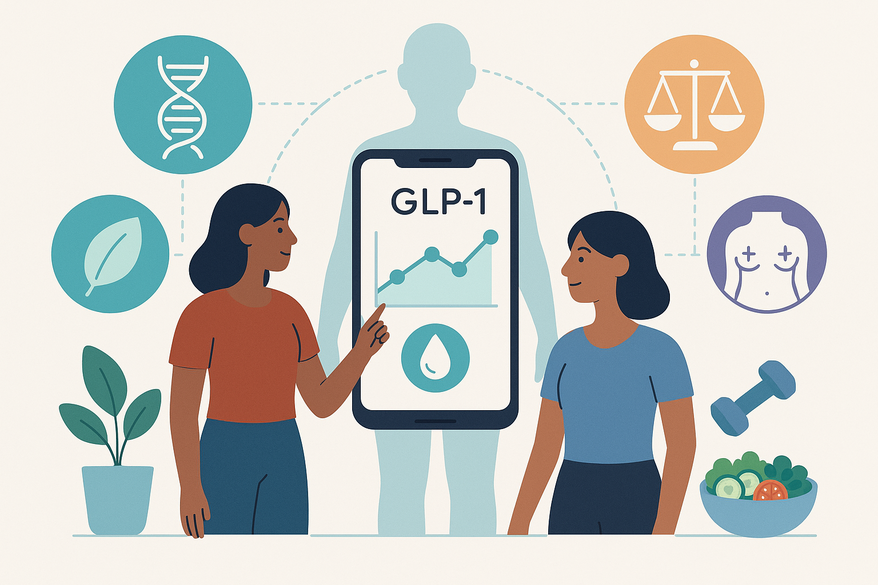
Estimated reading time: 8 minutes
Key Takeaways
- GLP-1 tracking enhances metabolic health insights by aligning hormone data with nutrition, exercise, and mindset.
- Holistic wellness spans physical, mental, emotional, social, and spiritual dimensions for sustainable wellbeing.
- Data-driven personalization transforms GLP-1 metrics into actionable lifestyle adjustments.
- Simplified frameworks and integrated tools reduce tech overload and maintain motivation.
- Case studies underscore the superior outcomes of combining GLP-1 therapy with whole-person care.
Table of Contents
- Introduction
- Defining GLP-1 and Its Role
- Understanding Holistic Wellness
- Connecting GLP-1 Tracking with Holistic Wellness
- Practical Integration Strategies
- Case Studies and Expert Perspectives
- Conclusion
- Call-to-Action
Introduction
GLP-1–based therapies are on the rise for improving metabolic health, and more people are curious about whole-person care. Integrating GLP-1 tracking with holistic wellness is a way to combine data from a key gut hormone with nutrition, exercise, mindset, and social support. This informational post explains what GLP-1 is, outlines the five dimensions of holistic wellness, shows how to bridge hormone tracking with lifestyle, and offers practical tips and real-world case studies. We’re not offering medical advice—always consult a qualified clinician before testing, changing medications, or making major lifestyle shifts. By the end of this guide, you’ll understand how to use GLP-1 metrics alongside emotional, social, and spiritual practices to create a balanced, sustainable plan for better health and wellbeing. Integrating GLP-1 tracking with holistic wellness puts metabolic science into a broader, more meaningful context.
Section 1: Defining GLP-1 and Its Role
GLP-1 (glucagon-like peptide-1) is an incretin hormone released by the gut in response to food intake. It has critical roles in metabolism and appetite regulation—key reasons it’s a focus for diabetes and weight-management medications.
- Enhances insulin secretion when blood glucose is high, helping lower post-meal sugar peaks.
- Suppresses glucagon release to reduce hepatic glucose output and stabilize fasting glucose.
- Slows gastric emptying to prolong fullness after meals.
- Acts on hypothalamic appetite centers to curb food cravings and reduce overall intake.
GLP-1 tracking methods overview:
- Clinical lab testing: Direct GLP-1 assays are rare; proxy metrics include fasting glucose, HbA1c, insulin, weight, and waist circumference.
- Medication response logs: For patients on semaglutide or tirzepatide, tracking appetite levels, GI side effects, energy, mood, and weight trends reveals drug effectiveness.
- Digital and behavioral logs: Apps and wearables record food intake, physical activity, sleep, and stress—indirectly reflecting GLP-1 action. For a complete breakdown of tracking options.
Understanding GLP-1 tracking helps set the stage for integrating GLP-1 tracking with holistic wellness.
Section 2: Understanding Holistic Wellness
Holistic wellness is the integrated state of physical, mental, emotional, social, and spiritual health—beyond merely not being sick. It treats the whole person, not just numbers on a scale or lab printouts.
- Physical health: nutrition quality, regular movement, restorative sleep, metabolic and cardiovascular indicators.
- Mental & emotional health: stress resilience, mood stability, cognitive clarity.
- Social & relational health: supportive networks, community engagement, healthy relationships.
- Spiritual/purpose health: sense of meaning, values alignment, practices like meditation or prayer.
Benefits of a multidimensional approach versus a single metric:
- Sustainable weight and metabolic control through balanced nutrition, exercise, and rest.
- Enhanced mood, mental focus, and stress management when emotional and cognitive wellbeing are addressed.
- Stronger motivation, engagement, and patient satisfaction by tapping into purpose and support systems.
For insights on emotional care alongside GLP-1 therapy.
By linking holistic wellness with GLP-1 tracking, you tap both metabolic signals and whole-person context for deeper, more reliable progress.
Section 3: Connecting GLP-1 Tracking with Holistic Wellness
When you view GLP-1 data through a holistic wellness lens, it becomes actionable. Instead of numbers alone, the data guide personalized lifestyle changes across multiple dimensions.
- Establish metabolic baseline: Blood sugar patterns, appetite signals, and weight trends give clues for nutrition and medication adjustments.
- Personalize interventions: Fine-tune meal composition, exercise load, and stress tactics based on how GLP-1 levels and related markers respond.
- Reinforce behavior change: Clear feedback loops—better labs and less hunger—boost motivation for healthy habits.
- Support mental health: Stable glucose and steady energy levels reduce mood swings and fatigue, helping you engage in therapy, social activities, and self-care.
Examples of data-driven personalization:
- Nutrition: If GLP-1 therapy reduces appetite, plan high-protein, nutrient-dense meals in smaller, frequent servings to protect muscle and curb nausea.
- Exercise: Use weight-loss velocity and energy reports to balance cardio with 2–3 weekly strength sessions that preserve lean mass.
- Lifestyle & stress: If stress eating or nighttime snacking persists, integrate mindfulness exercises, breathing breaks, or journaling to address emotional triggers.
By integrating GLP-1 tracking with holistic wellness, data no longer dictate a plan—they inform a flexible, personalized roadmap for lasting health.
Section 4: Practical Integration Strategies
Integrating GLP-1 tracking with holistic wellness doesn’t have to be complex. Focus on simplicity, personalization, and professional guidance when involving medications.
1. Build a Simple Tracking Framework
- Core metabolic metrics: weight, waist circumference, fasting/post-meal blood sugar, lab panels.
- Medication/GLP-1 feedback: appetite, fullness, GI symptoms, mood swings, energy levels.
- Lifestyle logs: daily steps/exercise minutes, meal patterns, stress levels, sleep duration.
2. Pair with Complementary Wellness Practices
- Mindful eating: Focus on hunger/fullness cues, eat slowly without screens.
- Regular activity: Aim for 150 minutes of moderate cardio plus 2–3 strength sessions weekly.
- Stress management: Daily breathing exercises, meditation, journaling, group support as needed.
- Sleep hygiene: Consistent bedtime, screen curfews, calming wind-down routines.
- Nutrition alignment: Whole foods, plant-forward meals, lean protein, healthy fats. For meal planning ideas.
3. Anticipate Challenges
- Tech overload → Choose one consolidated app.
- Data anxiety → Review metrics regularly with a healthcare professional.
- Metric obsession → Add qualitative check-ins: “How do I feel?”
- Access barriers → Use low-cost practices: walking, home cooking, free mindfulness apps.
- Safety considerations → Monitor side effects and contraindications with medical oversight.
For a seamless way to gather and visualize all your GLP-1 and wellness data, try Trimm. It consolidates doses, weight trends, side effects, nutrition, and activity into intuitive charts so you can focus on whole-person health rather than juggling multiple tools.
By pairing clear tracking with simple holistic practices, you make data feel manageable and motivation sustainable.
Section 5: Case Studies and Expert Perspectives
Research and clinical experience show that GLP-1 tracking yields the best outcomes when embedded in holistic care.
- Structured lifestyle programs with GLP-1 drugs achieve more sustainable weight loss than medication alone.
- Integrative practitioners emphasize muscle and bone health, nutrient density, and regular monitoring.
- Mental health improvements—better mood and cognition—occur when GLP-1 is paired with nutrition and stress management.
Scenario 1: The Metabolic Reset
A patient with obesity and prediabetes starts semaglutide. They track blood sugar, weight, appetite, and GI effects. They join a plant-forward diet plan, walking group, and stress-management classes. Over six months, A1c drops into normal range, weight decreases steadily, sleep improves, and mood stabilizes. Their coach shifts focus from scale to energy levels and daily function.
Scenario 2: Holistic Mental Health Support
An individual with depression and metabolic syndrome adds GLP-1 therapy. They also increase omega-3 fatty acids, B vitamins, and whole-food carbs, practice daily mindfulness, and improve sleep hygiene. Tracking shows fewer binge episodes, stable blood sugar, higher energy, and better mood. This combined hormonal, nutritional, and psychological approach boosts overall wellbeing more than any single strategy.
Conclusion
Integrating GLP-1 tracking with holistic wellness delivers deeper insights and more sustainable outcomes than focusing on medication or metrics alone. GLP-1 data guide targeted adjustments in nutrition, exercise, stress, and sleep, while holistic practices support mental, emotional, social, and spiritual dimensions—essential elements for lasting health. This informational guide is not medical advice. Always consult a qualified clinician before testing, starting or stopping GLP-1 medications, or making major lifestyle changes.
Call-to-Action
Share your experiences combining GLP-1 or other health tracking with holistic wellness practices. What feels most challenging—nutrition alignment, data overload, stress management, or something else?
Explore further resources:
- Endocrine Society overview of GLP-1 physiology and therapies
- Evidence-based holistic wellness guides on nutrition, sleep, and mindfulness
- Integrative care and health coaching models that fuse medical treatment with lifestyle strategies
Integrating GLP-1 tracking with holistic wellness creates a complete roadmap to better health—let us know how you navigate your journey.
FAQ
- What is GLP-1 tracking? GLP-1 tracking involves monitoring hormone-related proxies—such as blood sugar, weight, appetite, and medication responses—to gauge the effectiveness of GLP-1–based therapies.
- Why combine GLP-1 data with holistic wellness? A multidimensional approach ensures you address physical, mental, emotional, social, and spiritual factors for sustainable health rather than focusing solely on metrics.
- How often should I log my GLP-1 metrics and lifestyle habits? Daily or weekly logging balances data accuracy with simplicity; review trends with a clinician or coach to guide adjustments.
- Can I use any app for tracking? Choose one consolidated tool—like Trimm—to avoid tech overload and keep all your metabolic and wellness data in one place.
- Is this advice medical guidance? No. This guide is informational. Always consult a qualified clinician before making medication or major lifestyle changes.