
GLP-1 Mental Health Support: Integrating Emotional Care into GLP-1 Therapy
Explore how GLP-1 mental health support integrates emotional care into therapy, addressing mood, reward pathways, and sustainable well-being.

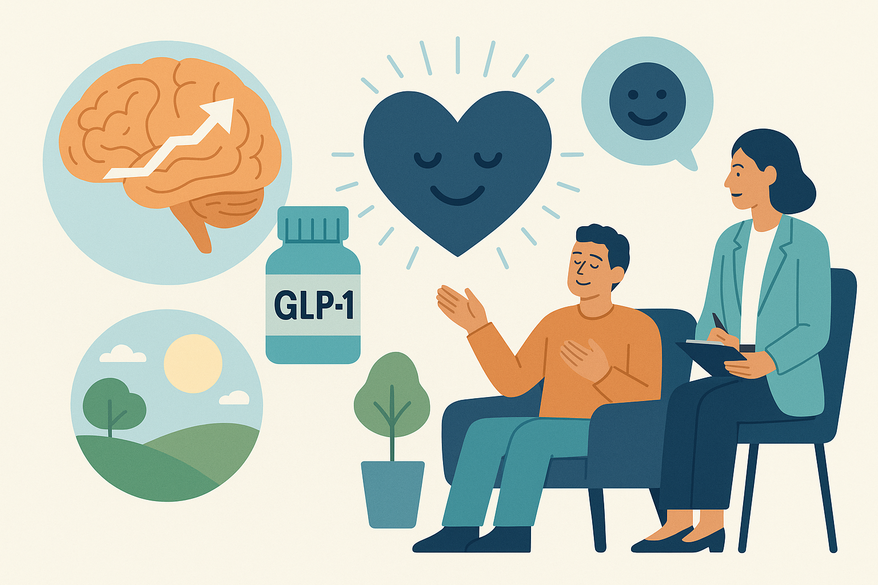
Estimated reading time: 10 minutes
Key Takeaways
- GLP-1 therapies influence not only metabolism but also mood and reward pathways in the brain.
- Integrated mental health strategies—therapy, counseling, support groups—enhance adherence and long-term success.
- Early monitoring of mood swings, anxiety, or disordered eating is essential for patient safety and well-being.
- Open communication with providers ensures timely referrals to psychologists, psychiatrists, and dietitians.
- A holistic care team combining medical, nutritional, and psychological expertise leads to sustainable outcomes.
Table of Contents
- Section 1: What Is GLP-1 Therapy?
- Section 2: Connection Between GLP-1 Therapy and Mental Health
- Section 3: Why Mental Health Support Is Crucial
- Section 4: Identifying and Managing Mental Health Issues
- Section 5: Expert Opinions and Research Insights
- Section 6: Practical Steps for Accessing Support
- Conclusion
- FAQ
Section 1: What Is GLP-1 Therapy? | GLP-1 Mental Health Support
GLP-1 therapy uses synthetic versions of glucagon-like peptide-1, a gut hormone that:
- Stimulates insulin release when blood sugar is high
- Suppresses glucagon to lower blood sugar
- Slows gastric emptying, prolonging fullness
- Signals satiety to the brain, reducing hunger
Common GLP-1 receptor agonists include semaglutide (Ozempic, Wegovy), liraglutide (Victoza, Saxenda), tirzepatide (Mounjaro, Zepbound), dulaglutide (Trulicity), exenatide, and lixisenatide.
Patients often report:
- Reduced hunger and cravings
- Early fullness and smaller meals
- Gradual, significant weight loss
- Possible GI side effects (nausea, vomiting, diarrhea, constipation) (GLP-1 side effects guide)
Understanding these physical changes lays the foundation for emotional support and effective monitoring (GLP-1 tracking guide).
For a seamless way to monitor your mood, side effects, and more, consider using Trimm, which centralizes all your GLP-1 journey data into intuitive dashboards.
Research: Cleveland Clinic overview of GLP-1 agonists
Section 2: Connection Between GLP-1 Therapy and Mental Health | GLP-1 Mental Health Support
GLP-1 mental health support rests on the discovery that GLP-1 receptors exist in brain areas regulating mood and reward.
Possible brain mechanisms:
- Modulation of reward pathways to curb cravings for food, alcohol, and other substances
- Anti-inflammatory effects reducing depression-linked brain inflammation
- Support of neurotransmitter balance (serotonin, dopamine) for stable mood
Reported mental health changes:
Potential benefits:
- Reduced depressive symptoms via improved metabolic function
- Enhanced cognition—better attention and mental clarity
- Decreased binge eating and food obsession
- Lower alcohol and substance use through reward-pathway regulation
- Improved emotional regulation and reduced preoccupation with food
Potential challenges:
- Mood swings or emotional numbness
- Body-image distress from rapid weight changes
- Risk of masking or exacerbating restrictive eating disorders
- Anxiety about eating, adherence, or weight regain
Evidence on suicidal ideation:
The FDA’s safety review found no increased risk of suicidal thoughts or behaviors among over 100,000 GLP-1 users versus placebo (FDA 2024 safety review), though any new suicidal thoughts demand immediate care.
Research: 2024 systematic review on GLP-1 brain effects | APA warning on eating disorder risks
Section 3: Why Mental Health Support Is Crucial in GLP-1 Therapy | GLP-1 Mental Health Support
- Physical and psychological changes are intertwined
- Shifts in eating patterns affect mood and self-esteem
- Body-shape changes influence social identity
- Weight loss alone doesn’t address emotional roots
- Stress, trauma, and anxiety can fuel emotional eating
- Without therapy, old coping mechanisms may resurface or shift to other behaviors
- Integrated support improves outcomes
- Behavioral therapy plus GLP-1 boosts adherence
- Patients build sustainable eating habits and coping skills
- Combined programs reduce relapse when medication changes (Evernorth data)
Good nutrition underlies emotional well-being—explore GLP-1 nutrition tips and therapy.
Research: Evernorth combined therapy outcomes
Section 4: Identifying and Managing Mental Health Issues During GLP-1 Therapy | GLP-1 Mental Health Support
Common issues:
- Mood changes: depression, irritability, emotional flatness
- Anxiety: fear of eating, weight fluctuations, or side effects
- Disordered eating: extreme restriction, binge/restrict cycles
- Body-image distress: discomfort with rapid transformations
- Compulsive substitutions: work, exercise, or substance misuse
When to seek help:
- Persistent low mood for over two weeks
- Severe anxiety or panic attacks
- Suicidal thoughts or self-harm ideation
- Obsessive tracking of calories, weight, or exercise
- Unsafe medication practices (e.g., skipping doses)
How to communicate with your healthcare provider:
- Be specific about symptoms, timing, and severity
- Request referrals to a psychologist, psychiatrist, or dietitian
- Share GLP-1 details: medication type, dose, start date
Early intervention and open dialogue are core to comprehensive support.
Section 5: Expert Opinions and Research Insights | GLP-1 Mental Health Support
Endocrinology perspectives:
- Yale Medicine and Cleveland Clinic stress the need for integrated care teams.
- Clinicians note GLP-1s improve metabolic outcomes but require mental health monitoring.
Behavioral medicine perspectives:
- The APA and LifeStance Health urge screening for eating disorders before and during therapy.
- Therapists emphasize addressing emotional drivers and preventing symptom substitution.
Emerging research themes:
- Mood & Depression: individual responses vary—some improve, others need extra support
- Cognition: reduced inflammation may boost clarity
- Addiction & Cravings: GLP-1s under study for alcohol, nicotine, and drug dependence
- Eating Disorders: caution—GLP-1s are not a substitute for specialized treatment
Research: LifeStance Health analysis on GLP-1 and behavior | Yale Medicine brain impact article
Section 6: Practical Steps for Accessing GLP-1 Mental Health Support | GLP-1 Mental Health Support
- Discuss support needs with your clinician
• Ask “Can we integrate mental health screening into my GLP-1 plan?”
• Request referrals to psychologists, psychiatrists, and dietitians experienced in metabolic care - Find specialized mental health professionals
• Seek expertise in obesity medicine, eating disorders, body-image therapy, and health psychology
• Explore hospital-based programs and telehealth providers covering GLP-1 therapy - Use reputable directories and networks
• APA Provider Directory filtered by weight-management or eating-disorder specialties
• Certified eating-disorder networks for cross-trained clinicians
• Integrated programs at major systems (Cleveland Clinic, academic centers)
• Employer or health-plan resources offering combined coaching and therapy - Prepare for mental health appointments
• Note your GLP-1 medication, dose, and start date
• Record appetite, weight, and GI changes
• List mood, anxiety, or body-image shifts
• Clarify goals: sustainable habits, emotional coping, and prevention of disordered eating
Each step strengthens your support pathway and empowers you to build a comprehensive care team.
Conclusion
GLP-1 mental health support is essential because GLP-1 therapy shapes both body and brain. These medications influence blood sugar, weight, mood, cravings, and self-image. Without mental health care, patients risk mood swings, anxiety, and disordered eating patterns.
Key takeaways:
- GLP-1s extend beyond metabolic effects to reward pathways and emotional regulation.
- Integrating therapy, counseling, and support groups enhances adherence, resilience, and quality of life.
- Open communication with healthcare providers ensures timely referrals and safeguards psychological well-being.
For sustainable outcomes, pursue integrated care—medical, nutritional, and psychological. Consult your healthcare team about GLP-1 mental health support today and create a personalized plan that honors both your physical and emotional health.
FAQ
- What is GLP-1 therapy?
GLP-1 receptor agonists are medications that mimic a gut hormone, helping regulate blood sugar, appetite, and weight—and they also affect brain areas tied to mood and reward. - Why is mental health support important with GLP-1 treatment?
Because GLP-1s influence emotional regulation and reward pathways, integrating mental health care ensures you address mood changes, anxiety, and prevent disordered eating. - What mental health issues should I monitor?
Watch for persistent low mood, anxiety about eating or weight, disordered eating behaviors, body-image distress, and any suicidal thoughts. - How do I find GLP-1–savvy mental health professionals?
Ask your prescribing clinician for referrals, use the APA Provider Directory, certified eating-disorder networks, or hospital-based weight-management programs. - What practical steps can I take before appointments?
Document your GLP-1 specifics (medication, dose, start date), track appetite and GI side effects, note mood and anxiety changes, and set clear emotional and behavioral goals.