Balancing Diet, Mood, and Weight on GLP-1 Therapy: A Comprehensive Guide
Explore how to harmonize diet, mood, and weight goals on GLP-1 therapy for optimal results, including diet frameworks and mood regulation tips.


Estimated reading time: 8 minutes
Key Takeaways
- GLP-1 receptor agonists reduce appetite, improve glycemic control, and influence mood pathways.
- A balanced, nutrient-dense diet preserves muscle, stabilizes blood sugar, and supports brain health.
- Monitor emotional changes and seek psychosocial support to maintain mental well-being.
- Consistent tracking of weight, food intake, and mood enables timely adjustments for sustainable progress.
- Integrative care—collaborating with healthcare professionals—yields the best long-term outcomes.
Table of Contents
- Overview of GLP-1 Therapy
- The Importance of a Balanced Diet
- Impact on Weight Management
- Role of Mood Regulation
- Integrative Strategies
- Expert Opinions and Studies
- Practical Case Studies and User Experiences
- Conclusion and Final Takeaways
- FAQ
Section 1: Overview of GLP-1 Therapy
GLP-1 is a gut hormone released post-meal that:
- Boosts insulin when blood sugar is high
- Lowers glucagon to reduce hepatic glucose output
- Slows gastric emptying for prolonged fullness
- Sends satiety signals to the brain
GLP-1 receptor agonists (e.g., semaglutide, liraglutide) mimic this hormone by binding receptors in the pancreas, gut, and brain, resulting in reduced appetite, improved insulin sensitivity, and altered reward circuits.
Section 2: The Importance of a Balanced Diet
An effective eating plan on GLP-1 therapy provides key macronutrients and micronutrients while accommodating slowed gastric emptying. Follow a plate model:
- Lean protein (25 g per meal) preserves muscle and satiety
- Healthy fats (olive oil, nuts) support hormones and brain health
- Complex carbs & fiber stabilize blood sugar and nourish gut flora
- Vitamins & minerals (B vitamins, magnesium, omega-3s) fuel neurotransmitter synthesis
Space 3 meals and 2 snacks 3–4 hours apart. For a deeper dive into meal planning and nutrient timing, see meal planning and nutrient timing.
Section 3: Impact on Weight Management
Diet quality in tandem with GLP-1 therapy shapes fat vs. muscle loss and metabolic rate. Integrating resistance training preserves lean mass. Mechanisms include:
- Central appetite regulation via the hypothalamus
- Reduction in emotional and hedonic eating
- Improved glucose-dependent insulin release and glucagon suppression
Track weight and waist circumference weekly, aiming for 1–2 lb of loss per week. Collaborate with your provider to adjust dosing and prevent plateaus or rebound gain.
Section 4: Role of Mood Regulation
A nutrient-rich diet paired with GLP-1’s effects on dopamine and serotonin pathways promotes stable energy and reduced cravings. Key points:
- Steady blood sugar reduces irritability and fatigue
- Adequate macros and micros support neurotransmitter production
- Less GI discomfort enhances motivation
Monitor for new or worsening depression/anxiety. For integrated mental-health strategies, check integrated mental-health strategies.
Section 5: Integrative Strategies
- Work with a registered dietitian to personalize calorie and nutrient targets.
- Engage in therapy or support groups to address emotional eating and body image.
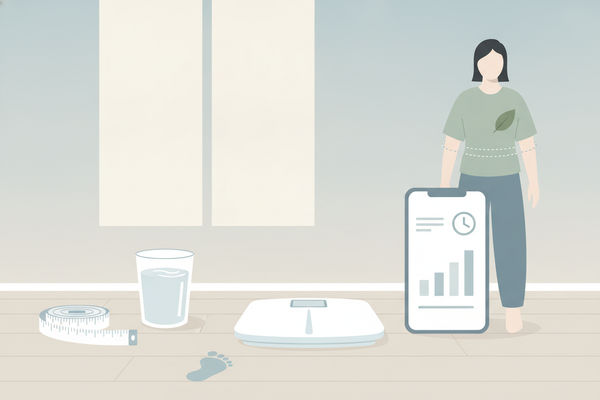
- Use self-tracking tools to log food, mood, energy, and weight trends (how to build a robust tracking system).
Practical habits:
- Weekly meal prep of balanced portions
- Frequent small meals to minimize GI side effects
- Resistance training 2–3×/week plus mindfulness and sleep hygiene
For an all-in-one solution, try Trimm—it logs doses, weight, side effects, meals, and more with AI-powered charts and milestones.
Section 6: Expert Opinions and Studies
Clinical trials show GLP-1 RAs produce superior weight loss and cardiovascular risk reduction compared to lifestyle alone. Many users report mood improvements, though some experience anxiety or depression at higher doses—underscoring the value of integrated care models. For a comprehensive overview of GLP-1 weight loss medications, results, and safety, see our definitive guide.
Section 7: Practical Case Studies and User Experiences
- Weight Loss + Mood Boost: Patients with mild depression achieved self-esteem gains alongside fat loss using structured diet, exercise, and GLP-1.
- Reversing Psych Med Weight Gain: Individuals on antipsychotics improved metabolic markers without destabilizing mental health through coordinated psychiatric and metabolic care.
- Emerging Mood Challenges: Some semaglutide users faced new-onset depression, resolved via dose adjustment and added therapy.
Conclusion and Final Takeaways
Success on GLP-1 therapy rests on three pillars: a nutrient-dense diet, effective mood regulation, and sustainable weight management. These medications are powerful tools but require complementary strategies:
- Consult your healthcare team (endocrinologist, dietitian, therapist).
- Adopt balanced meals rich in protein, fiber, healthy fats, and micronutrients.
- Track your food, weight, and mood with apps or journals.
- Incorporate resistance training and stress-management practices.
- Seek mental-health support when needed.
By integrating these evidence-based approaches, you can harness GLP-1 therapy safely and effectively for lasting health gains. For more on long-term success with GLP-1 therapy and sustained weight management, explore our comprehensive guide.
FAQ
- What is GLP-1 therapy?
- GLP-1 therapy uses receptor agonists to mimic the gut hormone glucagon-like peptide-1, reducing appetite, improving blood sugar control, and influencing mood circuits.
- How does diet influence GLP-1 treatment outcomes?
- A balanced diet preserves muscle mass, stabilizes blood sugar, and supports neurotransmitter production—maximizing the effects of GLP-1 agonists.
- Can GLP-1 agonists affect my mood?
- Yes. By interacting with dopamine and serotonin pathways, GLP-1 RAs can reduce cravings and impact reward circuits—sometimes improving mood, other times requiring psychosocial support.
- How do I track progress on GLP-1 therapy?
- Use apps or journals to monitor food intake, weight, mood, energy levels, and medication doses. Regular check-ins with your healthcare team help fine-tune your plan. For real-world outcomes, see clinical evidence and patient stories from GLP-1 therapy.
- Do I need a healthcare team for GLP-1?
- Integrated care—endocrinologist, dietitian, therapist—ensures safe dosing, optimal nutrition, and mental-health support, leading to the best long-term results.