Do I Look Fat? Understanding Body Image, Self-Perception, and GLP-1 Tracking
Struggling with 'Do I look fat?' Learn about body image distortion, quizzes like 'Am I skinny?', and how to track real progress with GLP-1 support.

Estimated reading time: 15 min
Key Takeaways
- Perceptions of "Do I look fat?" are shaped by both internal and external factors, not just numbers on a scale.
- Body image distortion is common and can affect everyone, regardless of actual body size.
- Self-assessment tools like the "Am I skinny quiz" or "skinny test" can provide perspective but have limits.
- Tracking objective data—like with Trimm—can help ground your self-image in reality and support your GLP-1 weight loss journey.
- Medical professionals are the best resource for questions about weight, medications, and healthy progress.
Table of Contents
- Section 1: The Emotional Weight of 'Do I Look Fat?'
- Section 2: Understanding Body Image Distortion
- Section 3: The Role of Self-Assessment Tools—Am I Skinny Quiz & Skinny Test
- Section 4: Am I Overweight? Interpreting Numbers, Not Judging Worth
- Section 5: Tracking Progress Objectively with GLP-1 Support
- Section 6: Building a Healthier Relationship with Your Body
Section 1: The Emotional Weight of 'Do I Look Fat?'
The Question That Echoes
"Do I look fat?" is a question loaded with vulnerability. It can arise seemingly out of nowhere: while shopping for clothes, scrolling through social media, or seeing yourself in a group photo. Even people who are actively pursuing health goals—like those on a GLP-1 weight loss journey—find themselves asking this, regardless of what the scale says. The question is rarely about literal appearance alone; it's a reflection of self-esteem, fears, and our sense of acceptance among others.
For many, this question is rooted in moments from the past: a childhood comment about weight, a teasing remark in adolescence, or the pressure to "bounce back" after a major life event. Even when you achieve a milestone, the echo of "Do I look fat?" can persist, showing how deeply these doubts can be ingrained. This makes it clear that body image is a complex emotional experience, not just a physical one.
Why This Question Hurts
- Cultural Pressure: Our society often idolizes very specific body shapes. On TV, in movies, and especially on social media, the "ideal" is frequently unrealistic and even unhealthy for most people. This exposure can shape what we believe is normal or desirable, leading to dissatisfaction if we don't fit the mold.
- Personal History: Seemingly small comments—"Are you sure you want seconds?" or "You looked so skinny last year"—can stick with us for years. Sometimes, the people making these comments don't intend harm, but the impact can be lasting, influencing how we see ourselves even into adulthood.
- Comparison Trap: Social media makes it easy to compare our everyday selves to others' highlight reels. Even among friends and family, it's common to notice differences and feel like we're falling short, often ignoring our own strengths and progress.
Body Positivity and Acceptance
Body positivity isn’t about ignoring health or pretending that insecurity doesn't exist. It's about recognizing the value of your body beyond appearance. Many people—regardless of size, gender, or age—have struggled with feeling "fat" or "not enough." This is a common human experience, and seeking support or community can make a difference. Body acceptance is about treating yourself with the same kindness you’d offer a friend, and understanding that your worth is not tied to your shape or weight. If you find self-acceptance challenging, remember it’s an ongoing journey, and setbacks are normal. Connecting with others, sharing experiences, or even just reading stories similar to your own can be powerful steps toward healing.
If you are using GLP-1 medications or any weight management tool, remember: the goal is improved health and well-being, not conforming to a single standard of beauty. Celebrate what your body can do, not just how it looks.
Section 2: Understanding Body Image Distortion
What Is Body Image Distortion?
Body image distortion is the gap between how you see yourself and reality. For example, someone may look in the mirror and see themselves as much larger than they actually are, or become preoccupied with a feature others rarely notice. This distortion can happen to anyone—regardless of their actual size or health status. It's influenced by psychological, cultural, and personal factors, making it both common and difficult to overcome alone.
- Visual Perception: Our brains don't simply "see" our bodies objectively. Emotional states—like anxiety or low self-esteem—can "color" the way we perceive ourselves. For example, after a stressful day, you might feel heavier or notice perceived flaws more intensely, even if nothing has physically changed.
- Emotional Overlay: Negative self-talk, shame, or a history of being judged for appearance can amplify body image distortion. If you struggled with body comments as a child or faced bullying, those memories can resurface in moments of self-doubt.
- Social Reinforcement: When we constantly encounter images of "perfect" bodies or receive comments from others about weight, it can warp our sense of what is "normal." Over time, our internal standard may become impossibly high, making self-acceptance even harder.
Signs You Might Be Experiencing Distortion
- Feeling "fat" or "too big" even when others reassure you or objective data suggests otherwise.
- Regularly scrutinizing specific body parts in the mirror or photos, often focusing on perceived "problem areas."
- Downplaying or dismissing compliments about your appearance, feeling like people are "just being nice."
- Allowing a single negative thought about your body to overshadow your mood or confidence for the day.
- Avoiding certain social situations, clothes, or activities due to self-consciousness about your body.
Why It Matters
Distorted body image can have real consequences—not just emotionally, but physically. It can lead to unhealthy dieting, disordered eating, social withdrawal, and even depression or anxiety. For people on a weight loss journey, these feelings can make it harder to celebrate progress or stay motivated. Self-compassion is key: acknowledging these thoughts without judgment and seeking help when they interfere with your well-being is a sign of strength, not weakness.
If you notice body image distortion affecting your quality of life or your relationships, consider talking to a mental health professional. Therapists can provide tools to challenge these thoughts and help you build a kinder relationship with your body. Remember, your experiences are valid, and you don't have to face them alone.
Section 3: The Role of Self-Assessment Tools—Am I Skinny Quiz & Skinny Test
What Are These Quizzes?
It's no surprise that online quizzes like "am I skinny" or "skinny test" are so popular—they promise quick answers to complicated feelings. These quizzes come in many forms: some calculate BMI from your height and weight, others ask subjective questions about eating habits, exercise, or how you feel in your clothes. Some even present "visual tests," asking you to pick the body shape closest to yours.
These tools can feel reassuring, especially if you're unsure how to interpret your body's changes. For people on GLP-1 medications or any weight loss journey, the desire for feedback is understandable—especially when progress can be slow or nonlinear. Yet, it's crucial to recognize the limitations of these quizzes.
What They Can and Can't Tell You
- Perspective, Not Diagnosis: Quizzes can provide a general sense of where your weight or habits fall compared to certain standards. However, they cannot account for individual factors like muscle mass, bone density, genetics, or your personal health history. For example, an athlete with high muscle mass may "fail" a BMI-based quiz despite being in excellent health.
- Potential Pitfalls: Relying on these quizzes for validation can make body image issues worse, especially if you feel discouraged by the results. Many quizzes use rigid categories—"skinny," "average," "overweight"—which rarely reflect the diversity of healthy bodies. If you find yourself obsessively retaking quizzes or feeling distressed by the outcome, it may be time to step back and evaluate your relationship with these tools.
- Useful as Conversation Starters: On the positive side, quizzes can help highlight areas for discussion with your healthcare provider or therapist. They might reveal patterns in your behavior or thinking that are worth exploring further. For example, if a quiz asks about your eating habits and you realize you often eat when stressed, that could be a valuable insight to bring to a professional.
What to Do Next
If you decide to take a quiz, consider it a starting point, not a verdict. Pair the results with objective data—like measurements or health markers from your doctor. If a quiz result makes you feel anxious or upset, pause and remind yourself that no online tool can define your worth or health. For a more thorough exploration, our How to Tell If You Are at a Healthy Weight: The Complete Guide post explains how these quizzes work, their strengths and weaknesses, and how to interpret results in a way that's helpful—not harmful.
Remember, the most reliable assessments of health and progress come from healthcare professionals who understand your unique background, goals, and medical needs. If you're ever unsure, don't hesitate to reach out to your doctor or a registered dietitian for personalized advice.
Section 4: Am I Overweight? Interpreting Numbers, Not Judging Worth
Numbers Are Tools, Not Judgments
The question "Am I overweight?" often triggers anxiety and self-judgment, but it's important to separate data from value judgments. Numbers like BMI, weight, or waist circumference are meant as tools—they provide information, not a verdict on your character or beauty. Health is multifaceted: you can be healthy across a range of weights, and well-being isn't defined by a single measurement.
When using tools like Trimm, it's helpful to remember that numbers are best viewed in context. For instance, if you're tracking weight weekly, you'll notice natural fluctuations due to hydration, hormones, or even time of day. Instead of focusing on one reading, look for trends over several weeks or months. This approach not only provides a more accurate picture, but also helps reduce the emotional impact of day-to-day changes.
Understanding Common Measures
- BMI (Body Mass Index): BMI is calculated from your height and weight, and classifies people as underweight, normal, overweight, or obese. While widely used, BMI doesn't distinguish between fat and muscle, and doesn't account for distribution of weight. For example, someone with a lot of muscle may have a high BMI but low body fat. On the flip side, someone with a "normal" BMI could still have health risks if their weight is distributed around their abdomen.
- Waist Circumference: Measuring your waist (usually at the level of your belly button) can help determine risk for certain health conditions, like type 2 diabetes or heart disease. In general, carrying more weight around your waist ("apple shape") is associated with higher risk. However, this is only one factor—your overall health, genetics, and lifestyle matter too.
- Trends Over Time: Changes over time are more meaningful than a single number. For example, if you're using Trimm to track weekly or monthly progress, you might notice a slow, steady decrease in weight or waist circumference, even if day-to-day numbers fluctuate. This long-term perspective can help you stay motivated and reduce anxiety about temporary setbacks.
Medical Perspective
Only a healthcare provider can interpret these numbers in the context of your overall health. For those using GLP-1 medications (like Ozempic, Wegovy, or others), your care team will monitor not just weight, but also blood pressure, cholesterol, blood sugar, and how you feel day-to-day. If you have questions about whether you're making healthy progress, or if you should adjust your approach, your doctor is the best source of advice. Never change your medication or weight loss plan without consulting a medical professional.
Emotional Impact
It's normal to have an emotional reaction to numbers, especially if you've struggled with body image or weight stigma in the past. However, try to focus on progress over perfection. Celebrate small victories, such as improved energy, better sleep, or feeling stronger. If you notice yourself feeling judged by the scale, take a moment to reframe: numbers are information, not a measure of your worth or success. Consider using Trimm to track non-scale victories, such as increased physical activity, improved lab results, or healthier habits.
Section 5: Tracking Progress Objectively with GLP-1 Support
The Value of Objective Tracking
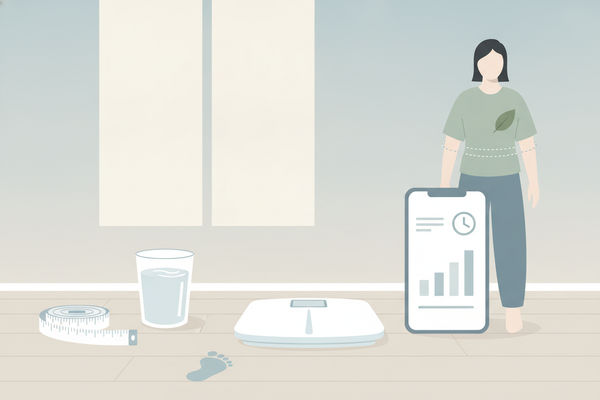
When emotions run high or body image feels uncertain, objective data can offer clarity and reassurance. Tracking your GLP-1 weight loss journey with a tool like Trimm helps you focus on facts rather than fleeting moods. For people using GLP-1 medications, tracking is about more than just weight—it's about building a picture of your health and making sure your approach is safe and effective.
- Dose Tracking: Log every injection or pill according to your doctor’s instructions. This ensures you’re following your prescribed plan, and creates a record you and your doctor can review together to spot patterns or address concerns.
- Weight & Measurements: Log your weight, waist circumference, or even progress photos at regular intervals. Over time, you’ll see trends that one-off measurements can’t reveal. For example, you might notice a steady decrease in waist size even when the scale plateaus, reminding you that progress is happening in more than one way.
- Side Effect Logging: GLP-1 medications can cause side effects like nausea, fatigue, or changes in appetite. Trimm makes it easy to note these, helping you identify triggers or patterns that you can discuss with your healthcare provider. This is especially important for your safety and comfort as you adjust to new medications.
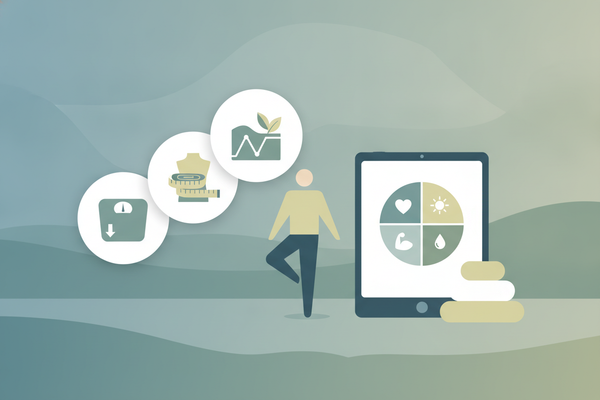
- Progress Visualization: Seeing your journey in graphs or milestone markers can be highly motivating. For example, maybe you’ve gone from feeling out of breath on stairs to walking a mile comfortably—that’s real progress that deserves celebration, even if the scale moves slowly.
Why This Helps Body Image
Objective tracking helps separate facts from feelings. For instance, if you wake up feeling "large" or discouraged, reviewing your Trimm data can remind you of actual, positive changes—like consistent weight loss, or improvements in how you feel physically. This can be especially powerful on tough days, helping you practice self-compassion and stay focused on your health goals instead of appearance alone.
Additionally, when you bring your tracking data to medical appointments, it gives your care team a clear picture of your journey. They can help you interpret trends, adjust your plan if needed, and address any side effects or plateaus. This collaborative approach leads to better outcomes and greater confidence in your progress.
Getting Started
If you’re new to tracking, start simple: log your medication, weight, and one or two other metrics (like waist circumference or energy level). As you become more comfortable, you can add details like meal logs, hydration, or mood. The how to track GLP-1 progress guide offers a step-by-step walkthrough, including tips for staying consistent and interpreting your results.
Above all, remember that tracking is a tool for self-awareness and empowerment—not for self-criticism. Use it as a way to celebrate progress, identify areas for growth, and advocate for your needs with your healthcare provider.
Section 6: Building a Healthier Relationship with Your Body
Practicing Self-Compassion
Transforming your relationship with your body is as meaningful as any physical change. Self-compassion—treating yourself with the same patience and encouragement you'd offer a friend—can make the journey smoother and more sustainable. Here are some practical strategies:
- Affirmations: Start your day with a positive statement, even if it feels unnatural. For example: "My body deserves care and respect," or "I am more than a number on the scale." Over time, this can help shift your internal dialogue from criticism to support.
- Mindful Self-Reflection: When negative thoughts arise—"I don't look good today," "I'm not progressing fast enough"—pause and observe the thought without judgment. Ask yourself, "Is this thought based on fact, or just a feeling?" Then, gently reframe: "I'm making progress, even if it feels slow. My worth isn't defined by a bad day."
- Celebrate Non-Scale Victories: Improvements in energy, mood, sleep, or confidence are just as important as weight changes. For example, maybe you can play with your kids longer, walk up stairs without stopping, or enjoy clothes that fit more comfortably. These are all meaningful wins worth acknowledging.
- Set Realistic Goals: Instead of focusing solely on weight, set goals related to habits or activities you enjoy. For instance, "I want to cook three healthy meals this week" or "I will try a new type of exercise." These goals can boost your mood and foster a sense of accomplishment, regardless of what the scale says.
Support Systems
Surrounding yourself with supportive people can make a world of difference. This might include friends who uplift you, family members who encourage your progress, or online communities focused on body positivity and health. If you’re on a GLP-1 journey, consider finding a group—either in-person or virtual—of others with similar experiences. Sharing struggles and successes can reduce isolation and keep you motivated.
Don't hesitate to seek professional support if body image concerns become overwhelming. Therapists and counselors are skilled at helping people navigate these challenges, and many specialize in body image, disordered eating, or weight management. Seeking help is a sign of strength and self-respect, not weakness.
The Ongoing Journey
Body acceptance isn’t a one-time achievement—it’s a lifelong process. Ups and downs are normal, especially during periods of change like a weight loss journey or starting a new medication. If you use Trimm or other tracking tools, look back periodically at where you started. You may be surprised by how far you’ve come, both physically and emotionally. Celebrate all progress, and remember that setbacks are opportunities to learn, not reasons to give up.
Above all, treat yourself with grace and patience. Your body is your ally, not your enemy. With time, support, and the right tools, you can build a relationship with your body that is rooted in respect, care, and genuine acceptance.
Conclusion
The question "Do I look fat?" is more complex than it appears, shaped by personal history, cultural messaging, and the realities of body image distortion. While self-assessment tools like the "am I skinny quiz" or "skinny test" can offer perspective, they are only one piece of a much larger puzzle. True understanding comes from combining objective data, supportive tracking tools like Trimm, and the compassionate guidance of healthcare professionals.
Remember, your worth is not determined by a number or fleeting feeling. The journey toward a healthier relationship with your body is continuous—filled with ups, downs, and opportunities for growth. By focusing on health, self-compassion, and objective progress, you can move beyond self-doubt and toward lasting well-being. If you’re considering or currently using GLP-1 medications, always partner with your healthcare provider to make informed, safe choices. Your unique journey matters, and you deserve support at every step.
FAQ
Q: Why do I sometimes feel fat even if I’m losing weight?
A: This can be a sign of body image distortion, where your perception doesn’t match reality. It's common for feelings to lag behind physical changes, especially if you've struggled with body image in the past. Tracking progress objectively and seeking support from friends, family, or a mental health professional can help reframe these feelings over time.
Q: Are quizzes like "am I skinny" or "skinny test" accurate?
A: These quizzes can provide perspective, but they have significant limits and don’t account for unique factors like muscle mass, bone structure, or overall health. Use them as a starting point for self-reflection, not a final answer. For a comprehensive assessment, consult a healthcare provider.
Q: How can I tell if I’m overweight or at a healthy weight?
A: Tools like BMI or body measurements can provide general clues, but only a healthcare provider can offer a full assessment based on your individual health profile, lifestyle, and goals. It's important to consider factors beyond weight alone, such as blood pressure, cholesterol, and how you feel day-to-day. For more details, see Is My Weight Healthy? Understanding BMI, Body Fat, and More.
Q: Can tracking my weight loss journey help my body image?
A: Yes, objective tracking—especially with apps like Trimm—can help you see real progress and focus on facts rather than feelings. This can reduce reliance on mood-driven self-perception and provide motivation. Tracking works best when paired with self-compassion and, when needed, support from professionals.
Q: What if I’m struggling emotionally on my weight loss journey?
A: You’re not alone. Emotional ups and downs are a normal part of change. If negative feelings persist or interfere with your daily life, consider reaching out to a mental health professional or support group. Your emotional well-being is just as important as any physical goal, and seeking help is a positive, proactive choice.