Tracking Injection Effects by Body Type: A Comprehensive Guide
Learn how to track injection effects by body type with insights on body shapes, site rotation, side effects, and effective measurement tracking.

Estimated reading time: 16 min
Key Takeaways
- Understanding your body type can help optimize injection site rotation and absorption by aligning injection practices with fat distribution and tissue characteristics.
- Tracking injection details like dose, route, and site is important for monitoring progress and identifying patterns in medication response.
- Monitoring both local and systemic side effects, including subtle changes, can inform medication adjustments and support overall wellbeing.
- Body measurements and contextual factors such as diet, hydration, stress, and sleep may impact injection effectiveness and can be helpful to track alongside injections.
- Using apps like Trimm can simplify comprehensive tracking for your GLP-1 journey by consolidating data, providing reminders, and generating insightful reports.
Table of Contents
- Section 1: Understanding Body Types and Shapes
- Section 2: Injection Logging Essentials
- Section 3: Site Rotation Strategies by Body Type
- Section 4: Tracking Local and Systemic Side Effects
- Section 5: Body-Measurement Tracking for Progress
- Section 6: Contextual Factors Affecting Injection Response
- Conclusion
- FAQ
Section 1: Understanding Body Types and Shapes
Common Body Type Frameworks
When tracking injection effects by body type, it can be helpful to understand common frameworks used to describe human bodies. Two popular classifications are:
- Ectomorph, Mesomorph, Endomorph: These categories describe general body composition and metabolism. Ectomorphs tend to be lean with faster metabolisms, mesomorphs have muscular builds, and endomorphs typically carry more body fat with slower metabolism. For example, an ectomorph might have less subcutaneous fat, which could influence medication absorption, whereas an endomorph might have different absorption characteristics due to higher fat stores.
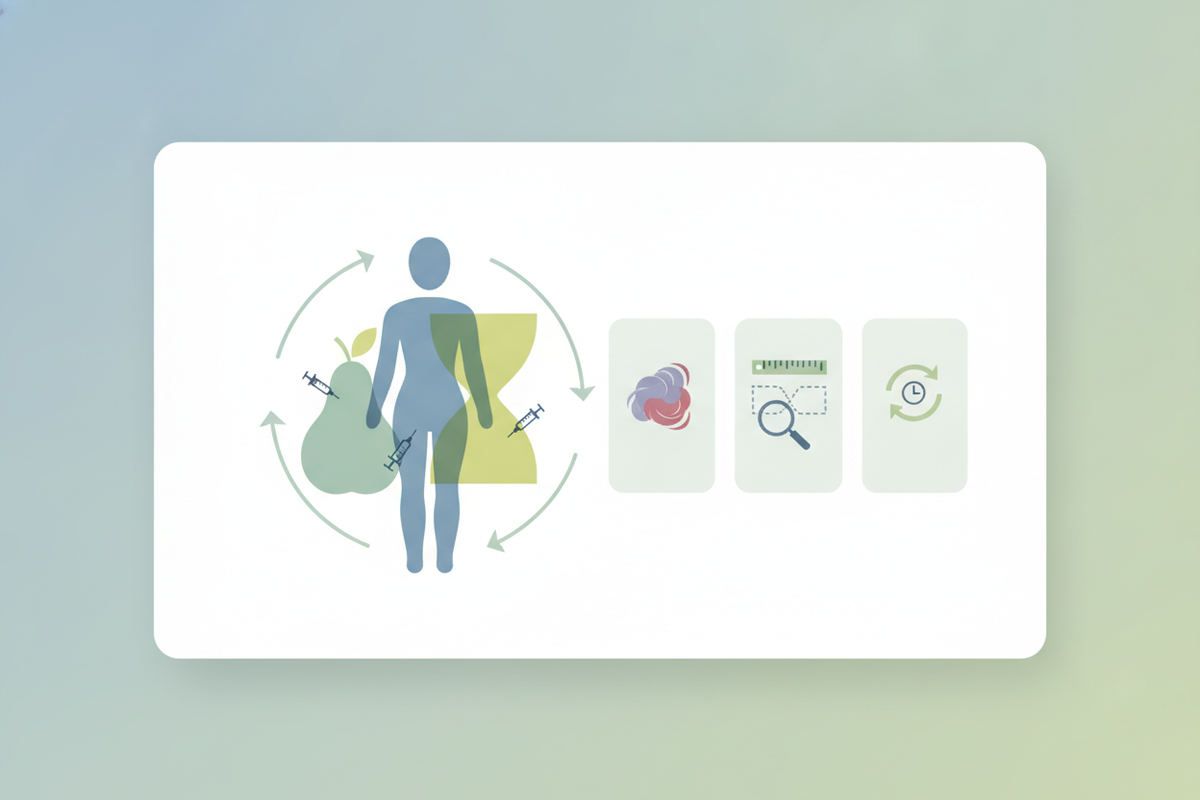
- Apple, Pear, Hourglass, Rectangle: These shapes focus on fat distribution and silhouette. Apples carry weight around the abdomen, pears around hips and thighs, hourglasses have balanced bust and hips with a narrower waist, and rectangles have a straighter figure. Fat distribution in these shapes may influence where injections are best absorbed and how side effects manifest locally.
Body Shape Is Descriptive, Not Prescriptive
Body types and shapes are largely genetic and descriptive rather than prescriptive. They do not limit what you can achieve but provide insight into how your body stores fat and muscle, which may impact how medications like GLP-1 injections absorb and act. For instance, injection sites with more consistent subcutaneous fat may offer more predictable absorption, while areas with thin skin or little fat may increase discomfort.
For example, a pear-shaped individual may experience different absorption rates or side effect patterns when injecting in the thighs compared to an apple-shaped person who might prefer abdominal sites. Understanding these nuances can help you and your healthcare provider tailor injection practices for better outcomes.
Implications for Injection Tracking
Knowing your body type can help tailor your injection tracking. For instance, tracking the exact site of each injection—such as abdomen, thigh, or arm—is important, especially when rotating sites to prevent tissue irritation. Different body types may benefit from personalized site rotation plans to optimize absorption and minimize side effects.
For a deeper dive into body shapes, check out our detailed guide on Body Types and Shapes: The Ultimate Body-Positive Guide, which explores how fat distribution impacts health and medication strategies.
Section 2: Injection Logging Essentials
What to Log After Each Injection
Accurate injection logging is the foundation of tracking injection effects by body type. Key fields to log include:
- Date and time: Helps correlate side effects and efficacy with timing and circadian rhythms, as some individuals may experience varying medication effects depending on the time of day.
- Dose: Important for understanding medication impact and making dose adjustments in consultation with your healthcare provider.
- Route and exact injection site: Abdomen, thigh, arm, flank, or buttocks—and the precise location on the site (e.g., upper left abdomen, mid-right thigh). This granularity helps identify site-specific patterns in absorption and reactions.
Logging these details systematically allows for pattern recognition related to absorption, side effects, and overall progress. For example, you might notice that injections in the abdomen cause less discomfort but more nausea, or that thigh injections result in slower onset of effects.
Site Rotation Systems
Rotating injection sites reduces the risk of local tissue reactions like bruising, swelling, or lumps. Common rotation areas include:
- Abdomen (around the navel, avoiding the immediate 2-inch area)
- Thighs (front and outer sides, avoiding scars or bruised areas)
- Arms (back of upper arm, rotating between left and right)
- Flanks (love handles, lateral abdominal area)
- Buttocks (upper outer quadrant, alternating sides)
Keeping a detailed log of site rotation helps avoid repeated injections in the same spot, which can cause irritation, lipohypertrophy (fatty lumps), or poor absorption.
Using Apps for Injection Logging
Manual logging can be cumbersome; apps like Trimm can simplify the process by providing structured fields, reminders, and visual tracking. They also enable you to link injection data with side effects and body measurements automatically, giving you a more comprehensive view.
Such apps often include features like:
- Visual body maps to mark exact injection sites
- Automated reminders for next injection and site rotation
- Graphs correlating dose, timing, and side effect severity
- Exportable data to share with healthcare providers
For step-by-step guidance, see our post on How to Log GLP-1 Injections: A Step-by-Step Guide.
Section 3: Site Rotation Strategies by Body Type
Why Site Rotation Depends on Body Type
Body fat distribution can influence injection absorption rates and side effect profiles. For example, an endomorph with higher fat composition may find subcutaneous injections absorb differently than a lean ectomorph. This makes rotating sites based on your body type important to optimize effectiveness and reduce discomfort.
In addition, muscle mass and skin thickness vary by body type and site, affecting injection depth and absorption. For example, injecting too deeply in a lean ectomorph could accidentally deliver medication into the muscle, altering absorption and side effects.
Recommended Rotation Systems
Here’s how site rotation can be adapted:
- Ectomorphs: With less subcutaneous fat, injection sites like the abdomen and outer arms usually provide consistent absorption. Avoid overly thin areas to reduce pain; consider shallow injections or shorter needles as advised by your healthcare provider.
- Mesomorphs: Muscular builds allow flexibility; thighs and buttocks can be effective rotation sites due to ample muscle and fat. Ensure injections stay in the subcutaneous layer, not into muscle, to maintain consistent absorption.
- Endomorphs: Fatty areas like flanks and upper thighs may be preferred to avoid injecting into muscle, but this requires careful rotation to prevent lumps or lipohypertrophy. Regularly inspect sites for tissue changes and avoid scarred or hardened areas.
Practical Tips
- Use a rotation map or app to track exact spots within each body area to avoid overuse.
- Wait at least 1-2 weeks before reusing the same injection site to allow tissue recovery.
- Note any local reactions linked to specific sites to avoid problematic areas.
- Consider needle length and injection technique suited to your body type; consult your healthcare provider for personalized advice.
- Rotate not just between body areas but also within quadrants of each site to promote even absorption.
- Maintain good hygiene and use fresh needles with each injection to minimize infection risk and tissue damage.
- Consult your healthcare provider for personalized rotation advice based on your body type and medication.
Section 4: Tracking Local and Systemic Side Effects
Local Reactions to Track
After each injection, logging local side effects can help identify tolerability and site-specific issues. Key symptoms include:
- Pain or tenderness, noting severity and duration
- Swelling or redness, including size and how long it persists
- Bruising or lumps under the skin, which may indicate tissue trauma or lipohypertrophy
- Irritation or itching, which can signal sensitivity or allergic reaction
Recording the severity on a scale (e.g., 0-10) and adding symptom notes can help reveal patterns over time. For instance, if a particular site consistently causes more pain or lumps, it may warrant avoiding.
Photographing injection sites periodically can assist in monitoring changes and sharing with your healthcare provider.
Systemic Effects to Monitor
GLP-1 medications may cause systemic side effects that also warrant tracking, such as:
- Energy fluctuations, including unexpected fatigue or jitteriness
- Sleep quality changes, such as difficulty falling asleep or altered sleep patterns
- Mood shifts, including irritability or mood elevation
- Appetite variations, which may impact weight loss or gain
- Libido changes, which some individuals report during treatment
- Nausea or gastrointestinal symptoms like bloating, constipation, or diarrhea
- Fatigue or malaise
Tracking these symptoms regularly can help differentiate medication effects from lifestyle or other health issues.
Connecting Side Effects to Injection Data
Integrating side effect logs with injection timing, dose, and site data facilitates pattern recognition, allowing you and your healthcare team to adjust treatment appropriately. For example, if nausea is worse after abdominal injections or higher doses, site or dose adjustments may be considered.
Keeping a symptom diary alongside your injection log aids in communication with your healthcare provider and helps tailor your treatment plan safely.
Learn more on how to track side effects effectively in our guide How to Track Side Effects on GLP-1s: A Step-by-Step Guide.
Section 5: Body-Measurement Tracking for Progress
Key Measurements to Track
Alongside injection and side effect logs, tracking body measurements can provide objective progress markers. Important metrics include:
- Weight, using a reliable scale and consistent conditions (e.g., same time of day, clothing)
- Waist circumference, measured at the narrowest point or just above the navel
- Hip circumference, measured at the widest part of the hips
- Chest circumference, measured around the fullest part of the chest
- Thigh and arm measurements, taken at consistent points (e.g., midpoint of thigh, largest part of upper arm)
- Body composition (fat percentage, muscle mass if possible), via bioelectrical impedance scales or professional assessments like DEXA scans
Why Measurements Matter
Weight alone may not tell the full story. Changes in body shape or composition often provide more meaningful insight into how your body is responding to therapy. For instance, waist and hip measurements can reflect fat redistribution, particularly relevant for different body shapes like apple or pear.
Tracking muscle mass and fat percentage helps distinguish between fat loss and muscle loss or gain, which is important for health and metabolic outcomes. For example, preserving muscle mass during weight loss supports metabolism and physical function.
Tips for Effective Tracking
- Take measurements consistently at the same time of day, preferably in the morning before eating or drinking.
- Use a flexible tape measure and proper technique, ensuring it s snug but not compressing skin.
- Log measurements regularly, such as weekly or biweekly, to capture trends without daily fluctuations.
- Combine data with injection and symptom logs for a holistic view of progress and medication effects.
- Consider photographic progress logs with consistent lighting and angles to visually appreciate changes.
- Share measurement logs with your healthcare provider to inform treatment adjustments.
Section 6: Contextual Factors Affecting Injection Response
Influence of Lifestyle Variables
Injection effectiveness and side effects can be influenced by several lifestyle factors, which may be helpful to track to understand their interplay with medication response:
- Diet: Nutrient intake and meal timing may affect absorption and side effect severity. For example, taking injections around meals with varying fat content could influence gastrointestinal side effects or absorption kinetics.
- Exercise: Physical activity influences metabolism, circulation, and insulin sensitivity, which can affect medication efficacy and side effect profiles. Intense or unusual exercise may temporarily alter blood flow to injection sites.
- Hydration: Proper hydration supports tissue health and drug distribution. Dehydration can exacerbate side effects such as fatigue or dizziness.
- Alcohol: Can impact liver metabolism and side effect profiles. Excessive alcohol may worsen gastrointestinal symptoms or interact with medication metabolism.
- Stress and Sleep: Both affect hormonal balance and overall wellbeing. Stress hormones can interfere with appetite and weight regulation, while poor sleep can increase fatigue and mood disturbances.
Body-Type Considerations
Body fat percentage and distribution can alter how injections are absorbed. For example, injecting into an area with insufficient subcutaneous fat can increase pain or alter absorption rates. Recognizing your body type can help tailor injection practices and lifestyle adjustments accordingly.
Moreover, lifestyle factors may have different impacts depending on body type. For example, endomorphs may experience more pronounced effects from dietary changes, while ectomorphs may notice bigger shifts from exercise routines.
Baseline and Follow-Up Lab Tracking
Tracking lab results alongside injection and symptom data can help connect subjective experiences with objective markers. Labs may include metabolic panels, blood sugar, or hormone levels, which your healthcare provider can guide you on. Regular lab monitoring supports safety and effectiveness and helps detect any unexpected changes.
Examples of relevant labs include:
- HbA1c or fasting blood glucose (for glucose metabolism)
- Lipid panels (cholesterol and triglycerides)
- Kidney and liver function tests
- Vitamin and mineral levels (e.g., vitamin B12, which can be affected by some GLP-1 medications)
Using apps like Trimm to record lab results alongside other data can improve tracking and communication with your healthcare team.
Conclusion
Tracking injection effects by body type is a multifaceted process that combines understanding your unique body shape and composition with careful logging of injection details, side effects, and body measurements. Recognizing the influence of lifestyle factors and using a structured approach to site rotation may enhance medication effectiveness and comfort.
Utilizing tools like Trimm can streamline this complex tracking process, bringing all your data into one intuitive interface. This can empower you to visualize progress, identify patterns, and collaborate effectively with your healthcare team.
FAQ
Q: What should I log after each injection to see whether it is working?
A: You should log the date, time, dose, injection route, and exact injection site. Additionally, track any local reactions like pain or swelling, systemic effects such as mood or appetite changes, and relevant body measurements over time. Including notes on lifestyle factors like diet or exercise on the day of injection can also provide valuable context.
Q: How do I rotate injection sites properly by body type?
A: Rotate within approved areas like abdomen, thighs, arms, flanks, and buttocks, adapting based on your body type s fat distribution. Use a rotation map or tracking app to avoid repeated use of the same spot and minimize tissue irritation. Waiting 1-2 weeks before reusing the same site and monitoring for any site-specific reactions helps ensure safe rotation.
Q: Does body fat or body type affect injection absorption or side effects?
A: Body fat and type can influence how injections absorb and the side effect profile. Areas with less subcutaneous fat may increase pain or alter absorption, so site selection and rotation should consider your body composition. Consulting your healthcare provider for personalized advice based on your body type is recommended.
Q: What body measurements should I track while using injection therapy?
A: Track weight, waist, hips, chest, thighs, arms, and body composition metrics like fat percentage. These can provide objective progress markers beyond weight alone and give insight into fat distribution and muscle mass changes over time.
Q: How can I tell whether side effects are from the injection or from something else?
A: Track side effects alongside injection timing, dose, and site, as well as lifestyle factors such as diet, stress, and sleep. Pattern recognition over time helps differentiate medication effects from other causes. Sharing detailed logs with your healthcare provider supports accurate assessment.
Q: What is the best app or tracker for logging injections, symptoms, and progress?
A: Trimm is a comprehensive app designed specifically for GLP-1 injection tracking, offering integrated logs for doses, sites, side effects, body measurements, and charts to visualize your journey. Its user-friendly design helps maintain consistent and detailed records, which can be helpful for optimizing therapy.
Free to start
Try the Trimm app
Everything in this guide, in your pocket.
Get it on iPhoneGet it on Android