Skinny Fat Meaning: What It Really Means for Your Health
Discover the true meaning of 'skinny fat,' its health risks, how to identify it, and why BMI isn't the full story. Learn how to assess and improve your health.


Estimated reading time: 6 min
Skinny fat meaning: The term "skinny fat" describes someone who appears slim based on body weight or BMI but actually has a higher body fat percentage and lower muscle mass, which may increase the risk for certain health issues despite a “normal” scale number.
Key Takeaways
- "Skinny fat" means looking thin but having relatively higher body fat and lower muscle mass.
- BMI alone can miss hidden risks—body composition matters more than weight alone.
- Potential health risks may include diabetes, heart disease, and high cholesterol, even at a normal weight.
- Improving muscle mass and balanced nutrition can help address being skinny fat.
What Is Skinny Fat? (Definition & Medical Terms)
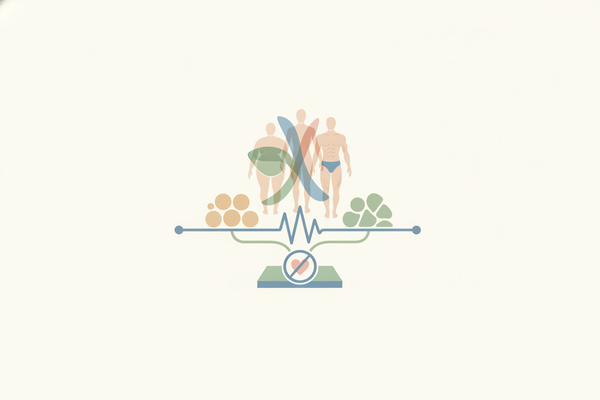
Skinny fat is not a medical diagnosis, but a popular internet term for people whose weight appears healthy by traditional measures like BMI, yet who carry a higher amount of body fat and less muscle than is optimal. Medically, this is sometimes referred to as normal-weight obesity, metabolic obesity, normal weight (MONW), or TOFI (Thin Outside, Fat Inside).
These terms all describe a mismatch between outward appearances and internal health—someone who may not look overweight but whose body composition may increase their risk of chronic disease.
How to Recognize Skinny Fat: Signs and Measurements
Wondering, "Is my weight healthy?" or "Am I overweight?" It’s more complex than BMI alone. Here’s how to spot possible signs of being skinny fat:
- Normal BMI (18.5–24.9) but higher body fat percentage (men: often considered >20%, women: often considered >30%).
- Low muscle mass: Little muscle definition, low strength, or feeling weak.
- Soft midsection: Belly fat or love handles, even if you look slim in clothes.
- Body fat percentage explained: Unlike BMI, this measures what portion of your weight comes from fat versus muscle, bone, and water.
- Waist to height ratio: A waist circumference over half your height can signal higher health risk, even if BMI is normal.
BMI limitations: BMI only compares weight to height and ignores body composition—so two people with the same BMI can look and feel very different. Learn more about these nuances in our Am I Fat Quiz: Understanding Your Body & Weight Health.
Why Skinny Fat Happens: Causes and Risk Factors
- Low physical activity: Sitting often and not engaging in strength training can lead to muscle loss.
- Poor diet: Diets high in processed foods and low in protein may promote fat gain over muscle.
- Yo-yo dieting: Frequent weight loss and regain can reduce muscle while increasing fat stores.
- Aging: Muscle naturally declines with age, especially without resistance exercise.
Being skinny fat can happen to anyone, but may be more common among people who don’t prioritize muscle-building activities or balanced nutrition. If you’re using GLP-1 medications, tracking changes in weight, body composition, and side effects with a tool like Trimm can help you notice these patterns and discuss them with your doctor.
Health Risks: Is Skinny Fat Unhealthy?
Despite having a “normal” weight, being skinny fat may increase your risk for:
- Type 2 diabetes
- Heart disease
- High blood pressure
- High cholesterol and triglycerides
Fat stored around the organs (visceral fat) is thought to drive much of this risk, even when total weight is low. Remember, health is more than a number on the scale. If you’re on a GLP-1 journey, regular tracking with Trimm can help you and your care team see changes beyond just the pounds lost. For a deeper dive, see our guide on How to Track GLP-1 Progress: A Complete Guide.
How to Fix Skinny Fat: Building a Healthier Body
Addressing skinny fat isn’t about extreme dieting or losing more weight—it’s about improving your body composition. Key steps may include:
- Strength training (like weight lifting or resistance bands) to build muscle.
- Eating adequate protein to support muscle growth.
- Limiting excess cardio that can reduce muscle if overdone.
- Balanced nutrition with whole foods, healthy fats, and fibers.
Always consult your doctor before making major changes to your routine, especially if you’re taking medications or managing a health condition. Tools like Trimm can make it easier to track progress and share insights with your healthcare provider.
FAQ
Q: What does skinny fat mean?
A: "Skinny fat" refers to people who appear slim based on weight or BMI but have a higher body fat percentage and lower muscle mass, which may increase their health risks even at a normal weight.
Q: Is skinny fat unhealthy?
A: Being skinny fat may raise your risk for conditions like diabetes, heart disease, and high cholesterol, even if your BMI is normal. It’s important to look beyond the scale and consider body composition. Always discuss your health risks and concerns with your doctor.
Q: How do I know if I am skinny fat?
A: Signs may include looking thin in clothes but having a soft midsection, low muscle tone, or low strength. Body fat percentage, waist-to-height ratio, and muscle mass measurements can help identify this. Consult a healthcare professional for an accurate assessment. For more on what makes a healthy weight, see our complete guide.
Q: What causes skinny fat?
A: Common causes are low physical activity, poor diet, lack of strength training, and aging-related muscle loss. Frequent crash diets can also contribute by reducing muscle mass.
Q: How do you get rid of skinny fat?
A: Focus on building muscle through strength training, eating enough protein, and maintaining a balanced diet. Avoid excessive cardio and extreme dieting. Always consult your doctor before making changes to your exercise or nutrition routine.
Q: Is skinny fat the same as normal-weight obesity?
A: "Skinny fat" is a non-medical term sometimes used to describe normal-weight obesity or MONW, where someone has a normal BMI but less healthy body fat and muscle levels. For a deeper understanding of BMI limitations and what BMI really means for your health, check out our detailed article.