Signs Your Weight Is Affecting Hormones: What You Need to Know
Learn the signs your weight is affecting hormones, why BMI isn’t the full story, and when to seek medical advice for hormone-related weight issues.

Estimated reading time: 15 min
Key Takeaways
- Unexplained weight gain or difficulty losing weight can sometimes signal hormonal imbalances that may require evaluation beyond lifestyle factors.
- Traditional measures like BMI have limitations; body fat percentage and waist-to-height ratio can provide additional insights into fat distribution and metabolic risk.
- Hormones such as thyroid hormones, insulin, cortisol, estrogen, and testosterone can impact weight regulation, metabolism, and energy balance.
- Symptoms like fatigue, mood changes, menstrual irregularities, and hair or skin changes may indicate hormone disruptions linked to weight and metabolic health.
- Always consult a healthcare professional for testing and personalized advice—tracking tools like Trimm can support your health journey by monitoring trends, medication doses, and side effects.
Table of Contents
- Section 1: Understanding Weight and Hormonal Health
- Section 2: The Limits of BMI and Better Body Composition Metrics
- Section 3: Common Signs Your Weight Is Affecting Hormones
- Section 4: Key Hormones Linked to Weight and Metabolism
- Section 5: How Stress, Sleep, and Lifestyle Influence Hormones and Weight
- Section 6: When to See a Doctor and Get Hormone Testing
- Conclusion
- FAQ
Section 1: Understanding Weight and Hormonal Health
The Complex Relationship Between Weight and Hormones
Weight is often viewed as a simple number on a scale, but it interacts with a complex web of biological systems, especially hormones that regulate metabolism, appetite, fat storage, and energy expenditure. Hormones act as chemical messengers facilitating communication between organs and tissues, coordinating how your body uses and stores energy.
When your weight changes unexpectedly, or resists changes from diet and exercise, it could sometimes indicate an underlying hormonal imbalance. For example, insulin resistance can cause your body to store more fat despite calorie restriction, and thyroid hormone deficiencies can slow metabolism making weight loss more difficult.
For many, the question is: "Is my weight healthy?" This question can’t be answered by weight alone, as fat distribution, muscle mass, and hormonal health are important pieces of the puzzle. Weight impacts hormones, and hormones influence weight in a continuous feedback loop — a dynamic relationship that requires a nuanced understanding. For a comprehensive perspective, see our complete guide on how to tell if you are at a healthy weight.
Why Weight Alone Isn’t Enough
People with similar weights can have different health profiles depending on their body composition and hormone status. For example, two individuals might both weigh 160 pounds, but one could have a higher muscle mass and balanced hormone levels, while the other carries excess visceral fat and may have insulin resistance or thyroid dysfunction.
- Weight alone doesn’t reveal fat distribution, muscle mass, or metabolic health.
- Hormonal imbalances can contribute to weight gain, especially in the abdominal area, despite healthy eating and exercise.
- Metabolic health markers like blood glucose, lipid profiles, and inflammatory markers provide additional insights beyond weight.
Understanding metabolic and hormonal health requires looking beyond the scale and focusing on the quality of your body composition and underlying physiology. This is closely related to understanding different body types and shapes and how they affect health.
Tracking Your Journey
Using tools like Trimm can help you maintain a detailed record of your weight, doses of GLP-1 medications like Ozempic, Wegovy, Mounjaro, or Zepbound, side effects, and overall progress. Tracking these data points over time may reveal patterns related to hormonal shifts and treatment responses, enabling you to communicate clearly and effectively with your healthcare provider.
For example, logging the timing of medication doses alongside symptoms such as fatigue or appetite changes can help identify correlations and support discussions about your treatment plan.
Section 2: The Limits of BMI and Better Body Composition Metrics
What Does BMI Really Mean?
Body Mass Index (BMI) is a widely used screening tool calculated from your weight divided by the square of your height (kg/m2). It categorizes individuals as underweight, normal weight, overweight, or obese based on population statistics. While BMI is simple and convenient, it has notable limitations that can misrepresent your true health status.
- BMI doesn’t differentiate fat from muscle. For instance, athletes or muscular individuals may have a high BMI but low body fat percentage, which is generally healthier.
- It ignores fat distribution. Excess fat around the abdomen (visceral fat) is more metabolically harmful than fat deposited subcutaneously in other areas.
- Ethnic and age differences. BMI cutoffs may not be equally applicable for people from different ethnic backgrounds or age groups, where risk thresholds can vary.
For a deeper dive, check out our detailed post on BMI Limitations: What BMI Really Means (and Misses) for Your Health.
Body Fat Percentage Explained
Body fat percentage measures the proportion of fat tissue relative to total body weight, offering a clearer picture of health than BMI alone. Healthy ranges vary by age and sex but generally:
- Women: 21-33% body fat is considered healthy, with lower ranges for younger adults and slightly higher for older adults.
- Men: 8-19% body fat is typically healthy, again depending on age.
Higher body fat percentages, particularly visceral fat around internal organs, are linked to insulin resistance, systemic inflammation, and hormonal disruptions, which may increase risks for cardiovascular disease and diabetes.
Methods for measuring body fat include DEXA scans, bioelectrical impedance scales, skinfold calipers, and hydrostatic weighing. While some methods require clinical settings, consumer devices can provide reasonable estimates for tracking changes over time.
Waist-to-Height Ratio and Other Metrics
Another valuable metric is the waist-to-height ratio (WHtR), which compares your waist circumference to your height. This ratio helps assess abdominal or "hormonal belly" fat, which is more strongly linked to metabolic and cardiovascular risks than overall weight.
- A WHtR above 0.5 is generally considered to indicate increased health risk, regardless of BMI.
- It accounts for fat distribution better than BMI and is simple to measure at home.
- Tracking WHtR over time can help monitor changes in abdominal fat even if overall weight fluctuates.
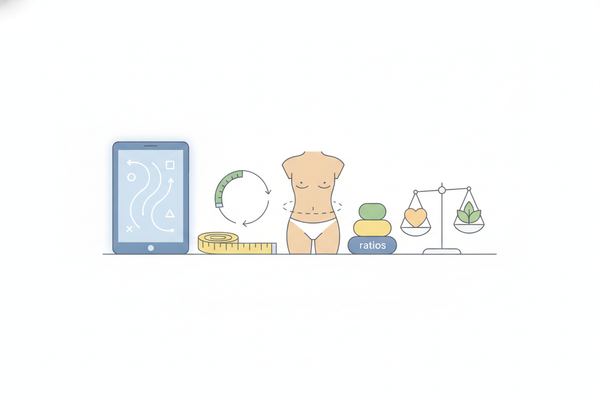
Combining BMI, body fat percentage, and WHtR provides a fuller picture of your body composition and associated risk factors.
What Does “Skinny Fat” Mean?
"Skinny fat" is a colloquial term describing individuals who appear slim or have a normal BMI but possess a higher body fat percentage and low muscle mass. This body composition can be associated with metabolic and hormonal challenges similar to those seen in obesity, such as insulin resistance, low energy, and chronic inflammation.
Addressing muscle mass through strength training and balanced nutrition can improve hormone function and overall metabolic health. For example, increasing lean muscle mass supports insulin sensitivity and raises resting metabolic rate, helping regulate weight and energy levels.
Regular resistance training, adequate protein intake (generally 1.2-2.0 grams/kg of body weight depending on activity level), and recovery are key components to improving body composition.
Section 3: Common Signs Your Weight Is Affecting Hormones
Unexplained Weight Gain or Difficulty Losing Weight
If you struggle with weight changes despite consistent healthy habits, hormones may be influencing your metabolism and fat storage. Thyroid dysfunction, insulin resistance, or cortisol imbalances can slow your metabolic rate and promote fat storage, particularly around the abdomen.
- Sudden or gradual weight gain without corresponding lifestyle changes may be a sign of hormonal disruption.
- Plateaus or weight regain during weight loss efforts may indicate underlying hormonal factors making fat loss more difficult.
- Tracking your diet, activity, and symptoms can help identify these patterns.
Fatigue, Low Energy, and Slowed Metabolism
Hormonal imbalances often cause persistent tiredness, sluggishness, and reduced exercise capacity. For example, hypothyroidism reduces your basal metabolic rate, which can manifest as feeling cold, fatigued, and mentally slow. Insulin resistance impairs efficient glucose use, leading to energy dips and cravings.
These symptoms can create a cycle where inactivity due to fatigue leads to further weight gain and worsening hormonal imbalance.
Irregular Periods or Menstrual Changes
In women, weight and hormones are closely linked to menstrual health. Excess weight or changes in fat distribution can disrupt estrogen, progesterone, and other reproductive hormones, potentially leading to irregular cycles, missed periods, heavy bleeding, or fertility challenges.
- Polycystic ovary syndrome (PCOS) is a common hormone disorder associated with weight gain, insulin resistance, and irregular periods.
- Both excess and insufficient body fat can disrupt menstrual regularity.
- Tracking menstrual cycles alongside weight and symptoms can help identify hormonal issues early.
Mood Swings, Anxiety, or Depression
Hormones such as cortisol, estrogen, and testosterone influence brain chemistry and mood regulation. Weight-related hormonal imbalances can contribute to mood instability, anxiety, or depression symptoms, affecting quality of life.
For example, elevated cortisol from chronic stress can exacerbate anxiety, while estrogen fluctuations may affect serotonin pathways linked to mood.
Changes in Appetite, Cravings, and Hunger Signals
Hormones regulate hunger and satiety signals that control food intake. Disruptions in leptin (satiety hormone), ghrelin (hunger hormone), or insulin can cause increased cravings, overeating, or difficulty feeling full, which may lead to weight gain or challenges losing weight.
Understanding these hormonal signals can help tailor strategies like meal timing, macronutrient balance, and mindful eating to support weight management.
Abdominal Weight Gain or “Hormonal Belly”
Fat accumulation around the abdomen, often called “hormonal belly,” is influenced by hormones like cortisol and insulin. This type of fat, known as visceral fat, carries higher health risks than fat stored elsewhere due to its association with inflammation, insulin resistance, and metabolic syndrome.
Abdominal obesity is a stronger predictor of cardiovascular disease and type 2 diabetes than BMI alone.
Section 4: Key Hormones Linked to Weight and Metabolism
Thyroid Hormones
The thyroid gland produces hormones T3 (triiodothyronine) and T4 (thyroxine) that regulate your basal metabolic rate, influencing how many calories you burn at rest. Hypothyroidism (low thyroid function) slows metabolism, causing weight gain, fatigue, cold intolerance, constipation, and dry skin. Conversely, hyperthyroidism speeds metabolism but may cause muscle loss, anxiety, and heart palpitations.
Thyroid hormone imbalances can be subtle, so testing TSH (thyroid-stimulating hormone), Free T3, and Free T4 provides a comprehensive picture of thyroid status.
Insulin
Insulin is a hormone secreted by the pancreas that controls blood sugar levels by facilitating glucose uptake into cells. Insulin resistance, common in overweight or sedentary individuals, leads to higher circulating insulin levels, increased fat storage (especially abdominally), and elevated risk of type 2 diabetes.
Weight loss and physical activity improve insulin sensitivity, but insulin problems can also make losing weight challenging, creating a feedback loop.
Cortisol
Known as the stress hormone, cortisol is released by the adrenal glands in response to physical or emotional stress. It affects fat distribution, appetite, and blood sugar regulation. Chronic stress or poor sleep can cause elevated cortisol levels, promoting abdominal fat gain, increased cravings (especially for sugary or fatty foods), and mood disturbances.
Managing stress and supporting healthy sleep can help regulate cortisol and reduce its negative impact on weight.
Estrogen and Testosterone
Sex hormones influence fat storage patterns and overall metabolism. Estrogen plays a role in regulating fat distribution, often promoting fat storage around hips and thighs, while testosterone supports muscle mass and metabolic rate.
Estrogen dominance (excess relative to progesterone) or deficiency can contribute to weight gain, especially around the abdomen, and menstrual irregularities. Low testosterone in men and women can reduce muscle mass, increase fat accumulation, and slow metabolism.
These hormone levels fluctuate across life stages such as puberty, pregnancy, menopause, and andropause, affecting weight and metabolism accordingly.
Section 5: How Stress, Sleep, and Lifestyle Influence Hormones and Weight
The Role of Stress and Cortisol
Chronic stress activates the hypothalamic-pituitary-adrenal (HPA) axis, increasing cortisol secretion. Elevated cortisol encourages fat storage, particularly visceral fat, alters appetite-regulating hormones, and can impair insulin sensitivity. This hormonal environment can make weight management more difficult.
Stress management techniques such as mindfulness meditation, yoga, deep breathing exercises, and regular physical activity support hormonal balance and reduce cortisol levels.
Even small lifestyle adjustments like taking short breaks during work, spending time in nature, or engaging in hobbies can have meaningful effects on stress reduction.
Sleep Problems and Hormonal Disruption
Poor or insufficient sleep impairs glucose metabolism, increases ghrelin (which stimulates appetite), decreases leptin (which signals fullness), and raises cortisol levels. This hormonal imbalance can promote weight gain and reduce the success of weight loss efforts.
Aim for 7-9 hours of quality sleep per night by maintaining a regular sleep schedule, creating a relaxing bedtime routine, and minimizing exposure to blue light from screens before sleep.
Lifestyle Habits That Support Hormonal Health
- Consistent, balanced nutrition: Focus on whole foods rich in fiber, healthy fats, and adequate protein to support muscle mass and stable blood sugar.
- Regular physical activity: Incorporate both aerobic exercises to improve cardiovascular health and strength training to build muscle and boost metabolism.
- Stress reduction techniques: Practice meditation, breathing exercises, journaling, or therapy to manage emotional stress.
- Good sleep hygiene: Set regular bedtimes, optimize your sleep environment, and limit stimulants like caffeine late in the day.
Using a tracking app like Trimm can help monitor how your habits affect your hormones and weight over time, providing valuable insights to adjust your routine.
Section 6: When to See a Doctor and Get Hormone Testing
Recognizing When Professional Help Is Needed
If you notice persistent signs such as unexplained weight gain, fatigue, irregular periods, mood changes, or hair and skin issues, it’s important to consult a healthcare provider. These symptoms may indicate hormonal imbalances that require targeted evaluation and treatment to prevent further complications.
Early diagnosis can improve outcomes and reduce the risk of associated metabolic or reproductive disorders.
What Hormone Tests Might Include
- Thyroid panel: TSH, Free T3, Free T4 to assess thyroid gland function.
- Fasting insulin and glucose levels: To evaluate insulin resistance and risk of diabetes.
- Cortisol levels: Often measured through blood or saliva tests, sometimes with multiple samples throughout the day.
- Sex hormones: Estrogen, progesterone, testosterone, and sometimes DHEA-S or LH/FSH depending on symptoms.
- Additional markers: Such as vitamin D, inflammatory markers, or lipid profiles based on clinical context.
Importance of Personalized Medical Advice
Hormonal health is complex, and treatments vary widely depending on the underlying cause, severity, and individual factors. Never start, stop, or adjust any medication without medical supervision. Your healthcare provider will interpret tests in the context of your symptoms and medical history to recommend safe and effective approaches.
If you are on GLP-1 medications such as Ozempic, Wegovy, Mounjaro, or Zepbound, apps like Trimm provide a safe, confidential place to log doses, monitor side effects, and track progress. This information can empower both you and your doctor to make informed decisions and adjust treatment plans as needed.
Learn more in our Best App for GLP-1 Tracking post.
Conclusion
Understanding the signs that your weight is affecting hormones is important to achieving better health and sustainable weight management. Traditional measures like BMI provide a starting point but do not capture the full picture of body composition or hormonal health. Paying attention to symptoms such as unexplained weight gain, mood changes, menstrual irregularities, and fatigue can guide you toward appropriate testing and treatment.
Remember, health is multifaceted and individual. Tools like Trimm can empower you to track progress and side effects if you are on GLP-1 medications, but professional medical advice is essential for diagnosis and treatment decisions.
By combining awareness, lifestyle support, and medical guidance, you can better navigate the complex interaction between weight and hormones to achieve improved well-being.
FAQ
Q: Can being overweight affect your hormones?
A: Yes, excess weight, especially abdominal fat, can influence hormones such as insulin, estrogen, and cortisol, potentially leading to metabolic and hormonal imbalances. These imbalances can affect appetite regulation, fat storage, and energy levels.
Q: What are the signs that weight gain is hormonal?
A: Unexplained weight gain, difficulty losing weight despite healthy habits, fatigue, irregular periods, mood swings, and changes in appetite or cravings can be signs that hormones are influencing your weight.
Q: Why is my belly fat related to hormones?
A: Abdominal fat, often called “hormonal belly,” is influenced by hormones like cortisol and insulin, which promote fat storage in this area. This type of fat is linked to higher risks of metabolic diseases compared to fat stored in other areas.
Q: What hormone imbalance makes it hard to lose weight?
A: Imbalances in thyroid hormones, insulin resistance, and elevated cortisol levels are common hormonal issues that can make weight loss challenging by slowing metabolism, increasing fat storage, or altering appetite.
Q: Can stress and poor sleep affect hormones and weight?
A: Yes. Stress raises cortisol, and poor sleep disrupts hunger and metabolic hormones like leptin and ghrelin, both contributing to weight gain and difficulty losing weight.
Q: When should I get tested for a hormonal imbalance?
A: If you experience unexplained weight changes, persistent fatigue, mood or menstrual irregularities, or other symptoms affecting your quality of life, consult a healthcare provider to discuss appropriate testing and evaluation.