How to Track Body Shape Changes Over Time: A Body-Positive Guide
Learn how to track body shape changes over time with photos, measurements, and expert tips. Discover body types, shape markers, and progress tracking methods.


Estimated reading time: 12 min
Key Takeaways
- Consistent progress photos and measurements can help reveal body shape changes over time.
- Body type frameworks (like ectomorph, mesomorph, endomorph) are descriptive, not prescriptive.
- Tracking shape, not just weight, can help celebrate non-scale victories—no matter your body type.
- Apps like Trimm make it easier to log, visualize, and understand your transformation.
- Focus on healthy habits, not perfection—every body is unique and worthy.
Understanding how to track body shape changes over time can be helpful for anyone on a health, fitness, or GLP-1 weight loss journey. Unlike the number on the scale, your body shape can tell a richer story of your progress—highlighting how and where your body is transforming. This guide will show you, step by step, how to capture those changes accurately and positively, and how to make sense of body types and shapes along the way.
Step 1: Learn the Basics of Body Types and Shapes
Before you start tracking, it's helpful to understand the most common frameworks used to describe body types. These labels are tools—not rules—to help you notice your unique shape and progress.
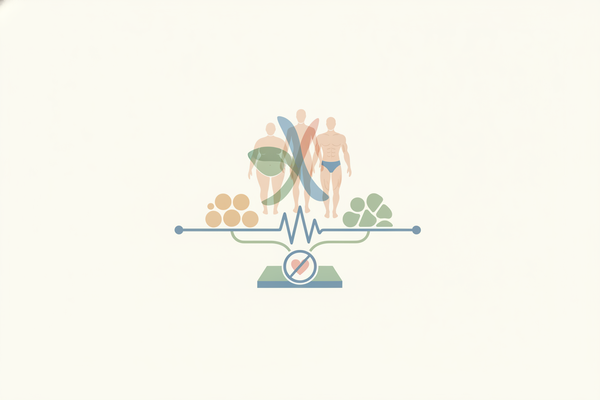
- Ectomorph, Mesomorph, Endomorph: This classic framework describes overall build and muscle/fat distribution. Ectomorphs tend to be leaner, mesomorphs more muscular, endomorphs naturally curvier or rounder. Remember, few people are "pure" types—most of us are a mix.
- Apple vs Pear Body Shape: Apple shapes carry more weight around the middle, while pear shapes store more in hips and thighs. Want more detail? Read our deep dive on apple vs pear body shape.
- Female Body Shapes Explained: Hourglass, rectangle, inverted triangle, and more—these describe proportions, not worth. For men, common body types include rectangle, triangle, and trapezoid.
- Genetics and Body Type: Body shape is largely genetic, but healthy habits can influence your proportions and posture. You can’t swap from ectomorph to endomorph, but you can become the healthiest version of yourself.
Knowing your body type can help you set realistic goals, dress with confidence, and celebrate progress beyond the scale. For a deeper understanding, see our ultimate body-positive guide to body types and shapes.
Step 2: Set Your Baseline—Photos and Measurements
Establishing a starting point is helpful. This allows you to compare progress over weeks or months, not just day-to-day fluctuations.
- Progress Photos: Wear the same (or similar) clothing, use the same background, and take photos at the same time of day for consistency.
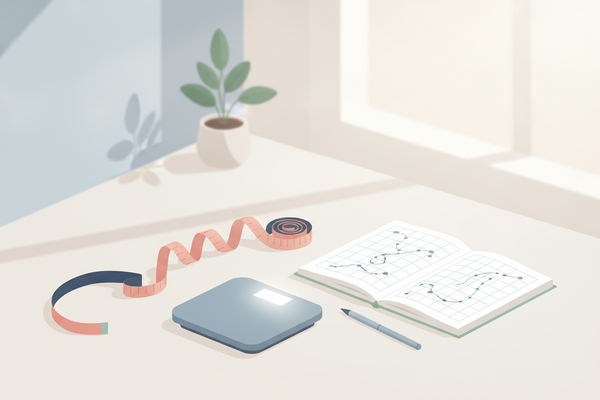
- Body Measurements: Use a soft tape measure and record key sites: waist, hips, chest, shoulders, thighs, arms, neck, and calves. Mark the exact spot each time (e.g., narrowest part of waist, widest part of hips).
- 3D Body Scans or Apps: If available, these can provide even more detailed shape metrics, but aren’t essential.
Log all your photos and measurements in a dedicated folder or app. Trimm lets you upload photos and log measurements securely, so you can see your transformation at a glance.
Step 3: Take Photos from Multiple Angles
Capturing your body from different views can help you see changes that the mirror might miss. You’ll want at least the following:
- Front: Stand tall, arms relaxed. This highlights waist, hip, and leg changes.
- Side (left and right): Shows shifts in belly, chest, and posture.
- Back: Reveals changes in back, shoulders, and glutes.
If you’re tracking specific goals (like thigh gap or abdominal projection), consider close-ups or extra angles. Use a tripod or ask someone for help to keep your pose and distance consistent.
Step 4: Measure Circumferences Consistently
Measurements can be more reliable than weight for tracking fat loss, muscle gain, or body recomposition. Here’s how to do it right:
- Waist: At the narrowest point (usually above your belly button).
- Hips: Around the widest part of your buttocks.
- Chest: Across the fullest part of your bust/pecs.
- Shoulders: Across the top of your shoulders, chest out, arms relaxed.
- Thigh, Arm, Neck, Calf: Measure at the same point each time (mark with a pen if needed).
Keep the tape snug but not tight, and always measure at the same time of day—ideally in the morning, before eating or drinking.
Step 5: Schedule and Review Your Tracking
Body shape changes take time and consistency. Avoid daily tracking—it can add noise and frustration. Instead:
- Photos: Take every 4–8 weeks. This interval can reveal true progress without obsessing over tiny changes.
- Measurements: Log weekly or biweekly to spot trends. Don’t stress over small fluctuations.
- Body Composition: If you have access to body-fat percentage scans (like DEXA or InBody), repeat every few months to complement tape measurements.
Chart your data over time to see trends. Apps like Trimm visualize your measurements and photos to help you celebrate real milestones, not just scale changes.
Step 6: Focus on Shape Markers, Not Just Numbers
Numbers are useful, but shape markers often matter more for confidence and health:
- Waist-to-Hip Ratio: A marker sometimes used for cardiovascular health and changing silhouette. For a comprehensive look at how body shape relates to heart health, see our complete guide to body shape and cardiovascular risk.
- Abdominal Projection: How much your belly protrudes compared to your chest.
- Thigh Shape: Gaps, curves, and muscle definition.
- Shoulder-to-Arm Proportion: Especially relevant for muscle gain or toning.
Over time, you may see major changes in these areas—even if the scale hardly moves. This is sometimes called body recomposition: losing fat, gaining muscle, and changing how you look and feel.
Step 7: Dress and Train for Your Unique Body Type
Understanding your body shape can help with styling and fitness, not self-criticism.
- Dress for Your Shape: Apple shapes might highlight legs and neckline; pears often accentuate waists and shoulders. For more, see our post on apple vs pear body shape.
- Training Tips: Your body type might influence how easily you build muscle or lose fat, but everyone can benefit from strength, cardio, and flexibility work. Focus on what feels good and supports your goals.
- You Can’t Change Your Genetics: But you can improve your health, confidence, and posture at every stage.
Stay body positive—comparison is the thief of joy. Celebrate every change, big or small.
Tips & Common Mistakes
- Don’t rely on the scale alone: Weight can fluctuate, but measurements and photos can show the real story. If you're curious about what constitutes a healthy weight beyond just numbers, check out our complete guide to determining if you are at a healthy weight.
- Keep conditions consistent: Lighting, clothing, time of day, and pose should be as similar as possible for each check-in.
- Avoid over-measuring: Too frequent tracking can be discouraging due to natural fluctuations.
- Store your data securely: Use a private folder or an app like Trimm to keep your progress private and organized.
- Be kind to yourself: Progress is rarely linear, and every body is unique. Enjoy the journey!
Conclusion
Tracking body shape changes over time can give you insight and motivation that goes far beyond the scale. Whether you’re on a GLP-1 medication, starting a new fitness routine, or just curious about your body’s transformation, progress photos and measurements can help you celebrate real, positive change. For seamless tracking, visual charts, and private storage, give Trimm a try—it’s built for journeys like yours. And remember: body shape is just one aspect of health. Value your unique form, and let your progress empower you, not define you.
FAQ
- How often should I take progress photos to track body shape changes?
For many people, every 4–8 weeks strikes a good balance. This interval can highlight true changes and avoids discouragement from daily or weekly fluctuations. - What body measurements should I track to see changes in my shape?
Focus on waist, hips, chest, shoulders, thighs, arms, neck, and calves. For more detail, measure the same points each time and consider using a log or app to track trends. - Should I take front, side, and back photos for body transformation tracking?
Yes! Multiple angles can provide a fuller picture of your progress and reveal changes you might miss from just one view. - What is the best time of day to measure your body for accurate progress?
Measure in the morning, before eating or drinking and after using the bathroom. This can help minimize natural daily fluctuations. - Why do my measurements change but my body looks the same?
Small measurement changes are normal—true visual changes take time. Lighting, pose, and water retention can also affect both appearance and numbers. Focus on trends, not single points. - How do I track body recomposition without relying on the scale?
Use photos, circumference measurements, and body shape markers (like waist-to-hip ratio). Apps like Trimm can help you watch these changes over time, so you can see progress even when the scale stays the same. For more on the limitations of BMI and traditional weight tracking, check out our article on BMI limitations.