How to Tell If Your Weight Is Impacting Energy Levels
Learn how to tell if your weight is impacting energy levels with body metrics, health signs, and tips for better vitality and wellbeing.

Estimated reading time: 9 min
Key Takeaways
- Understanding your weight and body composition helps clarify energy and health concerns.
- BMI has limits; body fat percentage and waist measures offer deeper insight.
- Excess weight may contribute to fatigue through metabolic, sleep, and physical stress factors.
- Tracking energy, sleep, and activity can reveal if weight affects your vitality.
- Improving energy involves balanced sleep, movement, diet, hydration, and medical guidance.
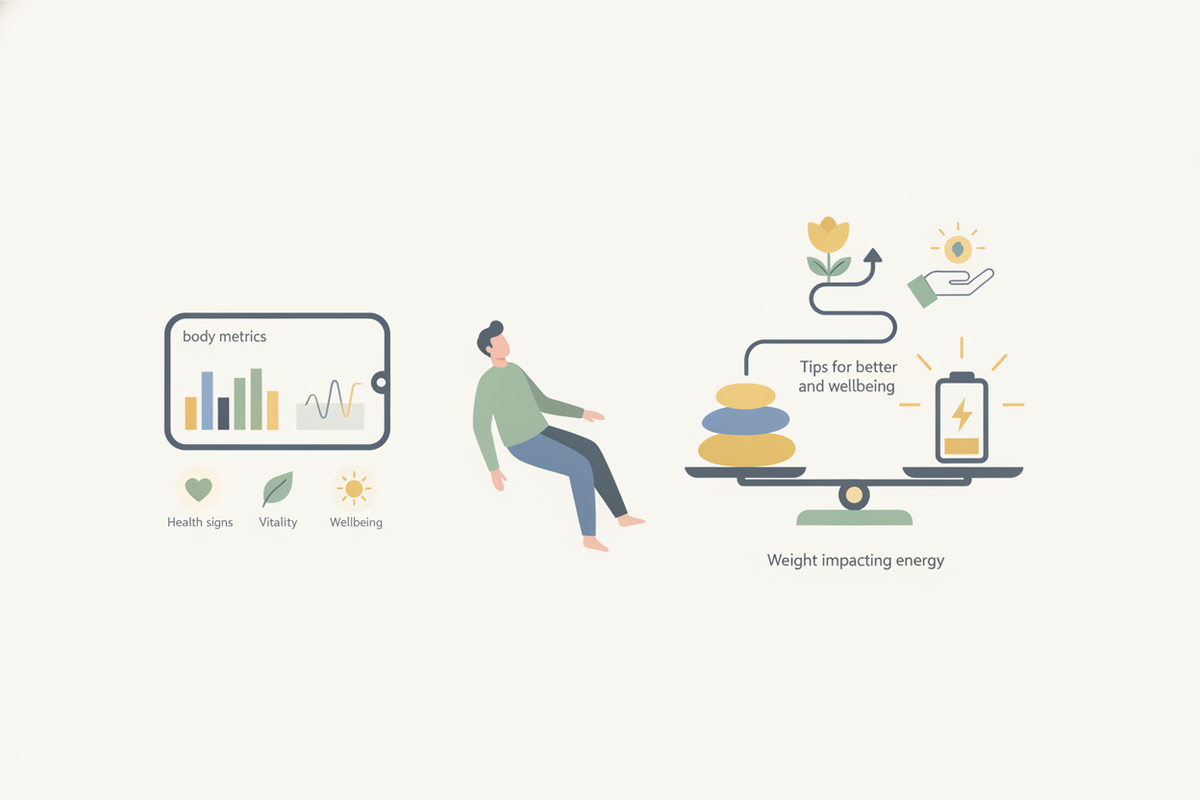
Many people wonder, how to tell if your weight is impacting energy levels. Weight and energy are closely linked, but it's not just about a number on the scale. Body composition, metabolic health, sleep quality, and mental wellbeing all play roles in how energized you feel. This guide will help you understand key body metrics, recognize signs of weight-related fatigue, and take actionable steps toward improved vitality — always in a supportive, body-positive way.
Step 1: Understand What Your Weight and Body Metrics Really Mean
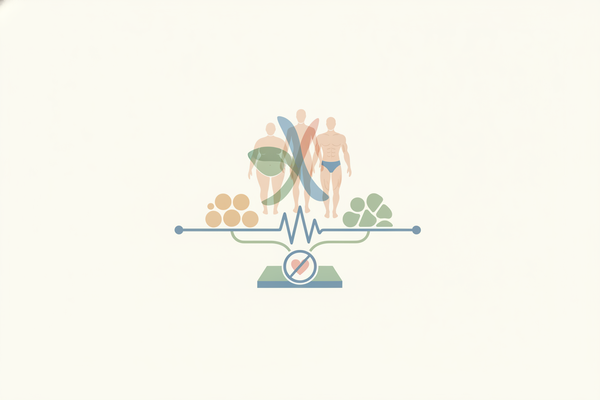
We often hear about BMI (Body Mass Index) when discussing weight, but what does it really tell us? BMI is a simple calculation based on height and weight, used as a rough screening tool. However, it doesn't distinguish between muscle and fat, nor does it reflect fat distribution.
To get a clearer picture, consider these body composition measures:
- Body Fat Percentage: This measures the proportion of fat to total body weight, offering insight into whether fat levels are within a healthy range.
- Waist-to-Height Ratio: This ratio helps assess fat distribution around the abdomen, which is linked to metabolic health risks.
For example, someone might have a BMI in the overweight range but a healthy body fat percentage and waist-to-height ratio, meaning their weight might not be negatively impacting their energy or health. Conversely, the term skinny fat refers to individuals with a normal weight but higher body fat and lower muscle mass, which can also affect energy and health.
Choosing to understand these measures rather than fixate solely on weight or BMI helps create a more accurate, compassionate view of your body. For a deeper understanding, see our complete guide on how to tell if you are at a healthy weight.
Step 2: Recognize How Excess Weight Can Affect Energy Levels
Carrying extra weight can increase the energy cost of even simple movements. Your body may use more energy to move, which can lead to feeling tired sooner. Additionally, excess fat, especially around the abdomen, can be associated with inflammation and insulin resistance. These metabolic changes may reduce your body's ability to efficiently produce and use energy, potentially contributing to fatigue.
Weight-related issues can also contribute to poor sleep quality or conditions like obstructive sleep apnea, which interrupts restful sleep and leads to daytime tiredness. Shortness of breath and reduced stamina can make physical activity more challenging, causing a cycle of low activity and lower energy.
Joint, back, and muscle pain related to extra weight may also discourage movement, which can worsen fatigue over time. Mental health factors such as depression and stress often accompany weight struggles, further impacting energy levels.
Step 3: Track Your Energy Patterns and Sleep Quality
To understand if your weight is impacting energy, start by tracking your daily energy fluctuations, sleep, and activity tolerance. Note how you feel in the morning and afternoon, and whether you recover well after physical activity. Poor sleep quality or frequent daytime tiredness can be signs of weight-related issues like sleep apnea.
Using an app like Trimm can help you log and visualize your energy levels alongside your weight, meals, and activity. This holistic view supports identifying patterns and progress during your wellness journey.
Step 4: Know When Fatigue May Signal Another Medical Issue
While weight can influence energy, persistent or severe fatigue may indicate other underlying medical problems. Conditions such as thyroid disorders, anemia, diabetes, or chronic fatigue syndrome can cause tiredness and weight changes.
If you experience ongoing fatigue despite lifestyle improvements, or if fatigue is accompanied by other symptoms like unexplained weight gain, mood changes, or pain, consult a healthcare professional for a thorough evaluation.
Step 5: Take Steps to Improve Energy Levels Through Healthy Habits
Improving energy often involves a combination of strategies:
- Prioritize Sleep: Aim for 7-9 hours of quality sleep per night. Practice good sleep hygiene and talk to your doctor if you suspect sleep apnea.
- Increase Movement: Gradually add physical activity suited to your ability. Even light walking can boost stamina and energy.
- Balanced Diet: Focus on nutrient-rich foods that support metabolism and stable blood sugar levels.
- Stay Hydrated: Dehydration can cause fatigue, so drink adequate fluids throughout the day.
- Set Realistic Weight Goals: Gradual weight loss through sustainable habits may improve energy and health without extreme dieting.
For those using GLP-1 medications like Ozempic, Wegovy, or Mounjaro, tracking doses and side effects with apps such as Trimm can support your journey and help tailor your approach under medical guidance. Learn more about GLP-1 weight loss medications, results, and safety in our definitive guide.
Step 6: Embrace a Body-Positive Mindset and Partner with Your Doctor
Remember, health is more than a number. Your worth and wellbeing are not defined by weight alone. Use body metrics as tools for awareness, not judgment. Engage in conversations with healthcare providers who respect your goals and guide you safely through any medical interventions.
If you’re curious about what your BMI means beyond the basics, explore our detailed post on BMI Limitations: What BMI Really Means (and Misses) for Your Health.
Tips & Common Mistakes
- Don’t rely solely on BMI: Use additional measures like body fat percentage and waist-to-height ratio for a fuller picture.
- Avoid extreme diets: Rapid weight loss can harm energy and overall health.
- Track consistently: Regularly logging energy, sleep, and activity helps identify real patterns.
- Consult professionals: Don’t self-diagnose fatigue causes; talk to your doctor if symptoms persist.
- Be patient: Energy improvements take time; celebrate small wins on your journey.
Conclusion
Knowing how to tell if your weight is impacting energy levels means looking beyond numbers to understand your unique body composition, metabolic health, and lifestyle factors. Excess weight may contribute to fatigue through increased energy demands, metabolic changes, poor sleep, and physical discomfort. Tracking your energy, sleep quality, and activity, combined with healthy habits and medical support, empowers you to improve vitality and wellbeing.
Remember, tools like Trimm make it easier to monitor your journey, from GLP-1 medication doses to side effects and weight changes, helping you see real progress. Above all, treat yourself with kindness and seek trusted guidance for a balanced, sustainable approach to health.
FAQ
Can being overweight make you tired all the time?
Yes, carrying extra weight can increase the body's energy demands, cause metabolic changes, disrupt sleep, and lead to fatigue. However, persistent tiredness should be evaluated by a healthcare professional to rule out other causes.
How do I know if my low energy is from weight or something else?
Tracking your energy patterns, sleep quality, and activity tolerance can help identify weight-related fatigue. If low energy persists despite healthy habits, or is accompanied by other symptoms, consult your doctor for further evaluation.
Why does extra body fat cause fatigue and low stamina?
Excess body fat can increase the energy cost of movement, promote inflammation and insulin resistance, and may worsen sleep quality, all of which can reduce stamina and cause fatigue.
Can losing weight improve energy levels quickly?
Gradual, sustainable weight loss may improve energy by reducing metabolic strain and improving sleep. Rapid weight loss is not recommended as it may negatively affect energy and health.
What medical conditions can cause fatigue along with weight gain?
Conditions like hypothyroidism, diabetes, sleep apnea, and depression can cause both fatigue and weight changes. It’s important to get a medical assessment to determine underlying causes.
Does sleep apnea cause fatigue if you carry extra weight?
Yes, excess weight increases the risk of obstructive sleep apnea, a condition that disrupts sleep and causes daytime fatigue. Addressing sleep apnea is essential for improving energy.