How to Measure Waist to Hip Ratio: A Step-by-Step Guide
Learn how to measure waist to hip ratio accurately to understand your body shape and health risks with our clear, body-positive step-by-step guide.

Estimated reading time: 8 min
Key Takeaways
- Waist-to-hip ratio (WHR) helps assess body fat distribution and related health considerations.
- Measure waist at the smallest point or midpoint between ribs and hip bone, and hips at widest part of buttocks.
- Use a flexible, non-stretch tape measure positioned level and snug but not tight.
- Calculate WHR by dividing waist circumference by hip circumference; interpret results with general health guidelines.
- Consistent method and posture are key for accurate tracking over time.
Understanding how to measure waist to hip ratio is a simple yet informative way to learn about your body shape and associated health factors. Your WHR reveals fat distribution patterns that may relate to risk for heart disease, diabetes, and other conditions. It also connects to common body shape categories like apple vs pear, which can help you dress and train for your unique form. This guide offers a clear, body-positive, step-by-step approach to measuring waist to hip ratio correctly and interpreting what it may mean for your health and lifestyle.
Step 1: Understand What Waist-to-Hip Ratio Means and Why It Matters
The waist-to-hip ratio (WHR) is the measurement of your waist circumference divided by your hip circumference. It reflects where your body tends to store fat — around the abdomen or the hips and thighs. This distribution can affect health considerations differently:
- Higher WHR (apple shape) indicates more abdominal fat, which some studies associate with increased risk of cardiovascular disease and type 2 diabetes.
- Lower WHR (pear shape) indicates fat around hips and thighs, which is generally considered a different risk profile.
WHR complements other body assessments like BMI and body types such as ectomorph, mesomorph, and endomorph, offering a more nuanced look at your physique and health.
Step 2: Prepare the Right Tools and Setting for Measurement
Accurate WHR measurement starts with the right equipment and environment:
- Use a soft, flexible, non-stretchable tape measure designed for body measurements.
- Stand in front of a mirror to check tape positioning and posture.
- Wear minimal, form-fitting clothing or measure directly on skin for best accuracy.
- Measure at the end of a normal exhalation to avoid bloating.
Good posture and calm breathing improve consistency between measurements.
Step 3: How to Measure Your Waist Correctly
There are two common waist measurement points. Choose one and use it consistently for tracking:
- Smallest Waist Point: Measure at the narrowest part of your torso, usually just above the belly button.
- Midpoint Method: Measure at the midpoint between the bottom of the ribs and the top of the hip bone.
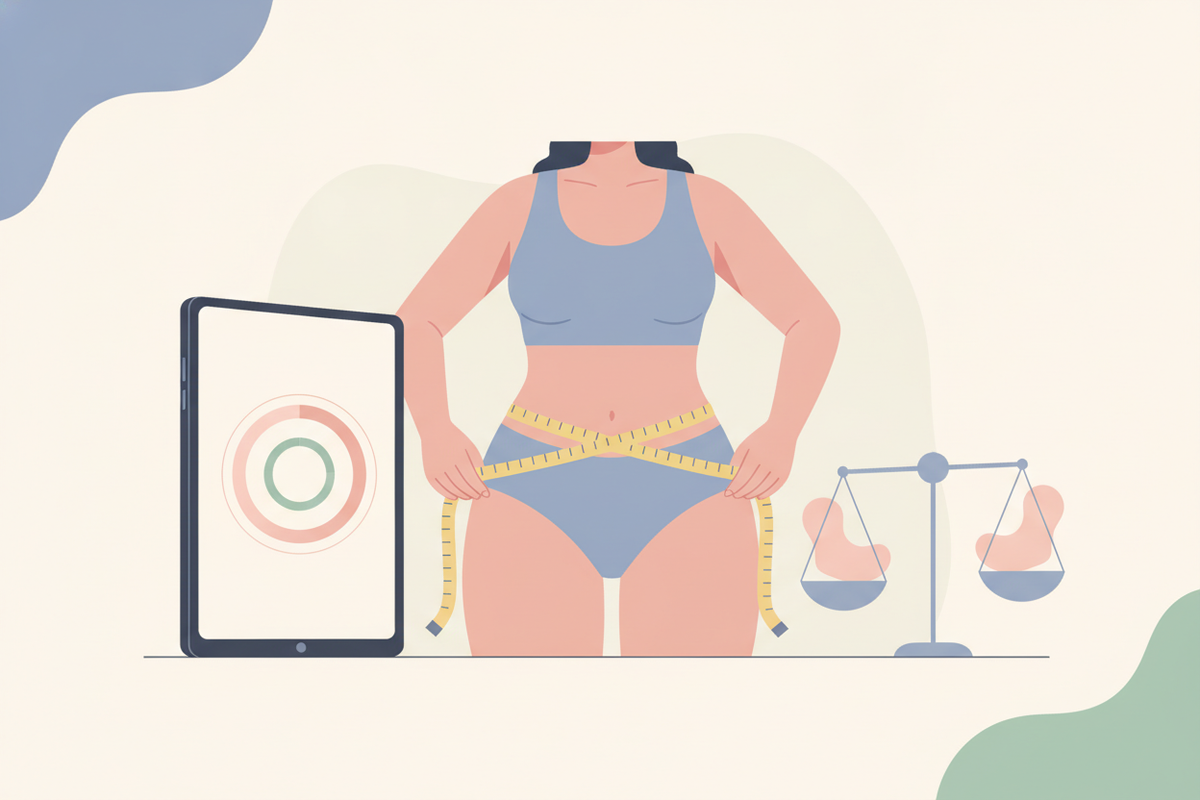
Wrap the tape measure horizontally around your waist, ensuring it is level all the way around. The tape should be snug but not compressing the skin. Stand relaxed with feet together and arms at your sides.
Step 4: How to Measure Your Hips Correctly
Measure your hips at the widest part of your buttocks and hips. This is usually around the fullest part of your hips and rear. Like with the waist, keep the tape horizontal and snug but not tight. Make sure the tape is level across your back and front.
Having an assistant or using a mirror helps ensure the tape stays parallel to the floor and the measurement is accurate.
Step 5: Calculate Your Waist-to-Hip Ratio
Once you have your waist and hip measurements in the same unit (inches or centimeters), calculate your WHR by dividing waist circumference by hip circumference:
WHR = Waist measurement ÷ Hip measurement
For example, if your waist is 30 inches and hips 40 inches, your WHR is 0.75.
Step 6: Interpret Your Waist-to-Hip Ratio Results
Some health organizations, including the World Health Organization (WHO), provide risk categories based on WHR:
- Women: WHR < 0.80 = generally lower risk; 0.81–0.85 = moderate risk; > 0.85 = higher risk.
- Men: WHR < 0.90 = generally lower risk; 0.91–0.99 = moderate risk; > 1.00 = higher risk.
Keep in mind, these are general guidelines and WHR is one of many metrics that reflect health. It also helps classify body shapes:
- Apple shape: Higher WHR, fat concentrated around the waist.
- Pear shape: Lower WHR, fat concentrated around hips and thighs.
Understanding your body shape can guide how you dress, train, and monitor your health. For example, check out our detailed post on Apple vs Pear Body Shape to learn more.
Step 7: Avoid Common Measurement Mistakes
To ensure accurate and consistent WHR measurements, watch out for these pitfalls:
- Measuring over thick clothing can distort tape placement and size.
- Pulling the tape too tight compresses skin and underestimates true circumference.
- Inconsistent waist measurement point leads to unreliable tracking over time.
- Not standing relaxed or holding breath incorrectly can alter waist size.
Consistency is key—use the same landmarks, tape, and posture each time you measure.
Step 8: Why Different Waist Landmarks Exist and How to Choose Yours
Different sources suggest measuring waist at either the smallest point or midpoint between ribs and hips. Both are valid but yield slightly different numbers. The important part is to pick one and stick with it for tracking progress.
Many health studies use the midpoint method because it’s easier to standardize. However, the smallest waist point may feel more intuitive for some. Try both initially to see what feels best and then remain consistent.
Step 9: Track Your WHR Over Time and Use It Positively
Tracking your waist-to-hip ratio over time can help you understand how your body changes with lifestyle, diet, and exercise. Apps like Trimm make logging measurements alongside weight, doses, and side effects simple, especially if you're on a GLP-1 journey.
Remember, body shape and WHR are largely influenced by genetics and descriptive, not prescriptive. Celebrate your unique form and use these insights to dress for your body type, train smartly, and focus on health rather than numbers alone.
Tips & Common Mistakes
When measuring waist-to-hip ratio, keep these tips in mind:
- Measure at the same time of day to reduce variability.
- Always exhale normally before taking waist measurement.
- Use a mirror or ask for help to ensure tape is level.
- Don’t rush—take your time to get an accurate reading.
- Avoid measuring right after eating or heavy exercise to prevent bloating effects.
Avoid common mistakes like inconsistent tape placement or measuring over bulky clothes, which can distort your WHR.
Conclusion
Knowing how to measure waist to hip ratio accurately empowers you with valuable insights about your body shape, health considerations, and wellness journey. Use a consistent method, proper tape, and relaxed posture for reliable results. Remember, WHR is just one piece of the puzzle—it complements understanding body types like ectomorph, mesomorph, and endomorph or female and male body shapes explained elsewhere. Embrace your unique shape, use WHR to inform your choices, and track your progress with tools like Trimm to visualize and celebrate your journey.
FAQ
How do you measure waist-to-hip ratio step by step?
Measure your waist at the smallest point or midpoint between ribs and hip bone, then measure hips at the widest part of buttocks. Divide waist measurement by hip measurement to get the ratio.
Where exactly do you measure your waist for WHR?
You can measure at the narrowest part of your waist above the belly button or at the midpoint between the bottom of your ribs and top of your hip bone. Choose one method and stay consistent.
Where do you measure hips for waist-to-hip ratio?
Measure hips at the widest point of your buttocks and hips, ensuring the tape measure is level and snug but not tight.
How do you calculate waist-to-hip ratio from inches or cm?
Use the same unit for both waist and hips. Divide the waist circumference by hip circumference. For example, 30 inches waist ÷ 40 inches hips = 0.75 WHR.
What is a healthy waist-to-hip ratio for a woman or man?
According to WHO, a healthy WHR is generally considered below 0.80 for women and below 0.90 for men, indicating lower health risk.
Is waist-to-hip ratio better than waist measurement alone?
WHR provides additional insight by considering fat distribution, which waist circumference alone can’t. Combining both gives a fuller picture of health considerations.
Free to start
Try the Trimm app
Everything in this guide, in your pocket.
Get it on iPhoneGet it on Android