How to Know if Weight Is Healthy During Menopause
Learn how to know if your weight is healthy during menopause with BMI, body fat, waist measures, and lifestyle tips for midlife wellness.


Estimated reading time: 10 min
Key Takeaways
- Menopause changes body composition, making weight alone an incomplete health measure.
- BMI has limitations during menopause; waist-to-height ratio and body fat percentage can offer additional insight.
- Healthy weight involves balanced body fat, lean mass, and fat distribution, not just scale numbers.
- Diet, exercise, sleep, and stress management all influence menopause weight and health.
- Track progress beyond the scale using measurements, clothing fit, and energy levels.
Menopause brings many changes, including shifts in weight and body composition. Understanding how to know if weight is healthy during menopause means looking beyond the scale to factors like body fat percentage, waist measurements, and overall wellness. This guide helps you navigate these changes with confidence and care — empowering you to support your health without judgment or extremes.
Step 1: Understand Menopause and Its Effects on Weight
Menopause often causes changes in hormone levels that affect how your body stores fat and builds muscle. Many women notice weight gain around the abdomen, even if their overall weight stays stable. This shift in fat distribution can be associated with increased health risks even if the scale doesn’t change much.
Key points to know:
- Fat tends to move from hips and thighs to the belly area, changing your body shape.
- Muscle mass naturally declines, lowering metabolism and altering BMI calculations.
- These changes mean that “am I overweight?” can’t be answered by weight alone.
Step 2: Learn What BMI Really Means and Its Limitations
Body Mass Index (BMI) is a common tool to categorize weight based on height and weight. However, during menopause, BMI can be misleading because it does not differentiate between fat and muscle or show fat distribution.
For example, a woman with a “normal” BMI might still have a higher body fat percentage or carry more fat around her waist, which may increase health risks.
For more about this, check out BMI Limitations: What BMI Really Means (and Misses) for Your Health.
Step 3: Use Waist Measurements and Waist-to-Height Ratio
Waist circumference and waist-to-height ratio are useful indicators of risk during menopause. Excess fat around the waist, called visceral fat, is linked to higher risks of diabetes, heart disease, and other conditions.
How to measure:
- Use a tape measure around your waist at the level of your belly button.
- Calculate waist-to-height ratio by dividing waist circumference by height.
A waist-to-height ratio less than 0.5 is often suggested as a general guideline for women. For example, if you are 160 cm tall, your waist might ideally be less than 80 cm. For more on how to know if your weight is healthy for heart health, see How to Know If Your Weight Is Healthy for Heart Health.
Step 4: Understand Body Fat Percentage and Lean Mass
Body fat percentage explains how much of your weight comes from fat versus lean mass (muscle, bones, organs). During menopause, maintaining a healthy body fat percentage and preserving lean mass is important.
Healthy ranges for midlife women often fall between 23% and 33% body fat, but this varies by individual. Lean mass supports metabolism and physical function, so strength training is key to preserving it.
Devices like bioelectrical impedance scales or professional body composition tests can help track these metrics. For a broader understanding of body types and shapes, check out Body Types and Shapes: The Ultimate Body-Positive Guide.
Step 5: Know When to Seek Medical Advice
Sudden, unexplained weight gain—especially central weight gain—should prompt medical evaluation. This is important to rule out conditions like thyroid disorders or other health issues.
If you notice rapid changes or symptoms such as fatigue, swelling, or pain, contact your healthcare provider. They can help distinguish between normal menopause changes and concerning signs.
Step 6: Adopt Diet Strategies for Healthy Menopause Weight
Nutrition plays a crucial role in managing weight and body composition during menopause. Recommended strategies include:
- Portion control to avoid excess calorie intake.
- Reducing added sugars and processed foods.
- Increasing protein and fiber intake to support muscle and satiety.
- Balancing calorie intake to match your activity level and metabolism changes.
Step 7: Incorporate Exercise for Muscle and Bone Health
Exercise helps counter menopause-related muscle loss and bone density decline. Effective exercise strategies include:
- Aerobic activities like walking, cycling, or swimming to support cardiovascular health and burn calories.
- Strength training to preserve and build lean muscle.
- Weight-bearing exercises such as walking or resistance training to support bone health.
Step 8: Manage Lifestyle Factors: Sleep, Stress, and Alcohol
Sleep quality, stress levels, and alcohol consumption all influence weight and health during menopause.
- Poor sleep can disrupt hormones that regulate hunger and metabolism.
- Chronic stress increases cortisol, which may promote abdominal fat.
- Moderate alcohol intake is advised as excess can contribute to weight gain.
Mindfulness, relaxation techniques, and good sleep hygiene can support your weight and overall well-being.
Step 9: Track Your Progress Beyond the Scale
Tracking progress with tools beyond the scale gives a fuller picture of health. Consider:
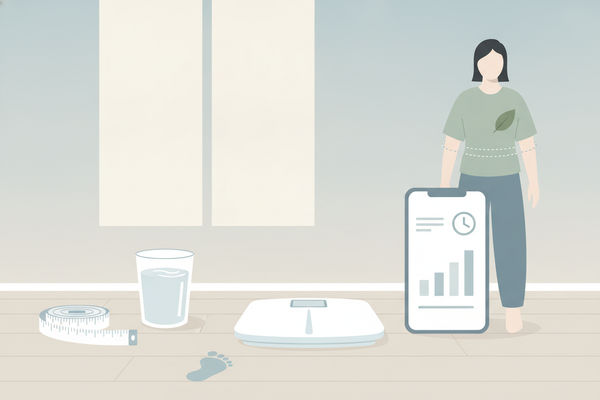
- Using a tape measure to monitor waist and hip changes.
- Noticing how your clothes fit over time.
- Observing your energy levels and physical fitness improvements.
Apps like Trimm can help you log measurements, doses, and side effects if you are using GLP-1 medications during your weight journey, turning your data into easy-to-understand charts and milestones. For more details on GLP-1 medications, see GLP-1 Weight Loss: The Definitive Guide to Medications, Results, and Safety.
Tips & Common Mistakes
It’s common to focus too much on scale weight during menopause, but this can be misleading. Remember:
- Don’t rely solely on BMI to assess your health.
- Measure waist circumference regularly for better insight.
- Avoid extreme diets that promise quick fixes; focus on sustainable habits.
- Consult your healthcare provider before starting or changing any medication or exercise plan.
- Embrace a body-positive approach that honors your unique changes and health journey.
Conclusion
Knowing how to know if weight is healthy during menopause involves understanding body composition, fat distribution, and lifestyle factors—not just the number on the scale. By using tools like waist-to-height ratio and body fat percentage, adopting balanced nutrition and exercise habits, and tracking progress thoughtfully, you can support your health through this life stage with confidence and kindness. For those using GLP-1 medications, apps such as Trimm offer convenient tracking that turns data into clear progress visuals, helping you stay informed and motivated.
FAQ
What is a healthy weight during menopause?
A healthy weight during menopause varies by individual but generally includes maintaining a balanced body fat percentage, healthy waist measurements, and good physical function rather than focusing solely on scale weight. For a comprehensive overview, see How to Tell If You Are at a Healthy Weight: The Complete Guide.
How do I know if my menopause weight gain is normal?
Normal menopause weight gain tends to be gradual and centered around the abdomen. Sudden or excessive gain should be evaluated by a healthcare professional.
Is BMI accurate for women going through menopause?
BMI can provide a general guideline but has limitations during menopause because it doesn’t account for fat distribution or muscle loss. Other measures like waist-to-height ratio and body fat percentage can offer additional insight.
What waist measurement is healthy for a menopausal woman?
A waist-to-height ratio less than 0.5 is often suggested as a general guideline. For example, if you are 160 cm tall, a waist measurement below 80 cm might be considered healthier.
How can I lose belly fat during menopause?
Focus on balanced diet, regular aerobic and strength exercises, managing stress and sleep, and consult your doctor for personalized advice. Avoid crash diets or extreme measures.
When should weight gain during menopause be checked by a doctor?
If you experience sudden, unexplained, or rapid weight gain—especially around your abdomen—or have other symptoms like fatigue or swelling, seek medical advice promptly.
Free to start
Try the Trimm app
Everything in this guide, in your pocket.
Get it on iPhoneGet it on Android