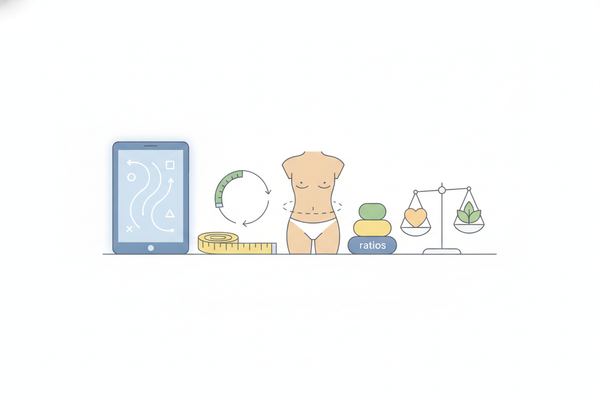
How Body Shape Affects Fat Distribution: The Definitive Guide
Explore how body shape affects fat distribution, genetics, hormones, and health risks. Learn to dress and train for your unique body type.

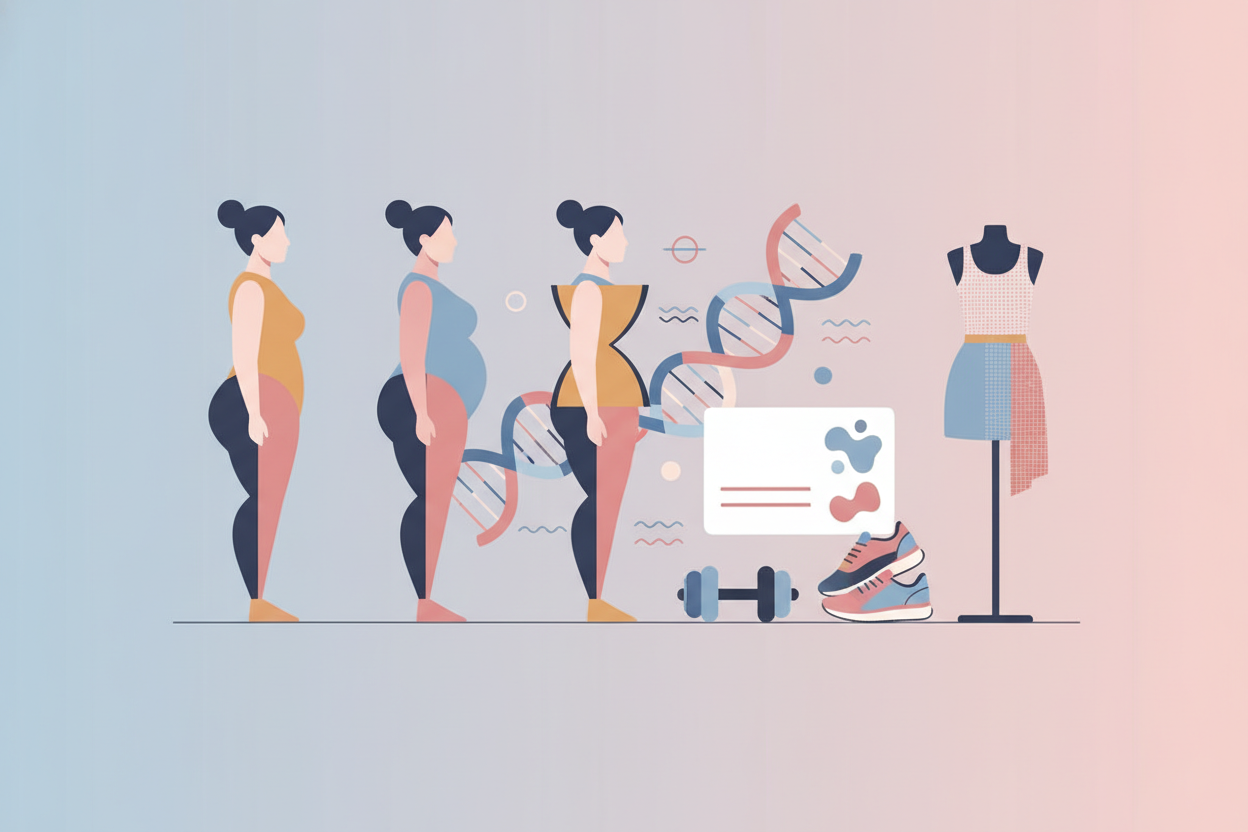
Estimated reading time: 15 min
Key Takeaways
- Body shape significantly influences where fat is stored, driven by genetics, hormones, and sex differences, impacting not only aesthetics but metabolic health.
- Common body shapes include apple, pear, hourglass, rectangle, as well as somatotypes like ectomorph, mesomorph, and endomorph, each with distinct fat distribution characteristics.
- Fat distribution affects health risks: central (abdominal) fat, especially visceral fat, is linked to higher metabolic disease risk than fat stored in hips and thighs, which tends to be protective.
- Age, menopause, and lifestyle factors such as diet quality, exercise routines, stress, and sleep patterns can alter fat distribution over time, often shifting fat toward the abdomen.
- Measuring waist-to-hip ratio and waist circumference are practical, accessible methods to assess fat distribution and related health risks, and can be tracked over time to monitor changes.
Table of Contents
- Section 1: Understanding Body Shape Types and Fat Distribution
- Section 2: Genetics and Hormones: The Biological Drivers of Fat Storage
- Section 3: Sex Differences and the Role of Hormones in Fat Patterns
- Section 4: Health Implications of Different Fat Distribution Patterns
- Section 5: Measuring Fat Distribution: Practical Approaches
- Section 6: How Age, Menopause, and Lifestyle Influence Fat Distribution
- Section 7: Body Shape and Fat Loss: Can You Change Where You Store Fat?
- Conclusion
- FAQ
Section 1: Understanding Body Shape Types and Fat Distribution
Common Female and Male Body Shapes Explained
Body shape reflects a combination of fat distribution and skeletal structure, which varies widely across individuals based on many factors. Being aware of your body shape can help you understand how your body tends to store fat, which has important implications for health assessment, fitness planning, and even clothing choices.
- Apple Shape (Android): Characterized by fat accumulation around the abdomen, chest, and upper back. Individuals with this shape often have a waist circumference larger than their hips. This pattern is common in men and some women, and is associated with higher visceral fat.
- Pear Shape (Gynoid): Fat is stored mainly around the hips, buttocks, and thighs, with a relatively smaller waist. This shape is more common in women and reflects subcutaneous fat storage, which tends to be less harmful metabolically.
- Hourglass Shape: Defined by a balanced bust and hip measurement with a narrow, well-defined waist. Fat distribution is relatively even between upper and lower body, often considered an idealized figure but naturally found in many individuals.
- Rectangle Shape: Characterized by a fairly uniform width of shoulders, waist, and hips, resulting in a straighter silhouette. Fat is generally distributed evenly without a prominent waistline.
Men typically display more apple-shaped patterns due to hormonal influences, while women often exhibit pear or hourglass shapes. However, individual variation is vast. For a deeper dive into the differences and implications of apple versus pear shapes, visit Apple vs Pear Body Shape.
Somatotypes: Ectomorph, Mesomorph, and Endomorph
The somatotype classification system, developed in the 1940s, categorizes body types based on physique and body composition rather than just fat distribution. Understanding somatotypes can complement body shape awareness and help tailor fitness and nutrition strategies.
- Ectomorph: Characterized by a slender frame, narrow shoulders, and a fast metabolism. Ectomorphs typically have difficulty gaining weight or muscle mass, with less fat storage overall.
- Mesomorph: Naturally muscular and athletic, with a medium frame, broad shoulders, and an efficient metabolism. Mesomorphs tend to gain muscle easily and have moderate fat storage.
- Endomorph: Softer, rounder physique with a higher tendency to store fat, often with a slower metabolism. Endomorphs may find it easier to gain fat and muscle but harder to lose fat.
Most individuals are a blend of these types rather than fitting into one pure category. For example, someone might be an ecto-mesomorph or meso-endomorph, reflecting a combination of traits. These patterns influence how you might respond to diet and exercise but do not rigidly dictate outcomes.
Body Shape Is Descriptive, Not Prescriptive
It’s crucial to recognize that body shape categories are descriptive tools designed to help you understand your natural tendencies. They are not prescriptive labels or limits on your potential. Genetics largely determine your inherent shape and fat storage pattern, but lifestyle, health, and aging can modify appearance over time.
Viewing your body shape as a neutral characteristic helps foster a positive, body-inclusive mindset. This understanding empowers you to optimize your health, fitness, and style choices while embracing your unique form without shame or unrealistic expectations.
Section 2: Genetics and Hormones: The Biological Drivers of Fat Storage
The Role of Genetics in Fat Distribution
Genetics play a foundational role in how and where your body stores fat. Research in twin and family studies indicates that fat distribution patterns are heritable traits influenced by numerous genes. These genes regulate factors such as fat cell development, regional blood flow, hormonal receptors, and metabolic enzyme activity.
- Some genes specifically control whether fat is stored subcutaneously (beneath the skin) or viscerally (around internal organs), which has major health implications.
- Family history often predicts predispositions to apple or pear-shaped fat distribution, as well as tendencies toward certain metabolic profiles.
- Genetic variants also influence how fat cells respond to insulin, cortisol, and sex hormones, affecting both appearance and metabolic risk.
For example, variants in the gene FTO are linked to increased fat mass and risk of obesity, while polymorphisms in the ADRB3 gene may affect fat breakdown in certain body regions. However, genes interact with environment and lifestyle, so genetic predisposition is not destiny.
Hormonal Influences: Estrogen, Testosterone, and Beyond
Hormones are key regulators of fat storage, influencing fat cell growth, differentiation, and metabolism in specific regions.
- Estrogen: This primary female sex hormone promotes fat deposition around the hips, thighs, and buttocks, supporting reproductive functions. It enhances subcutaneous fat storage and limits visceral fat accumulation, contributing to the pear-shaped pattern common in premenopausal women.
- Testosterone: Predominant in males, testosterone encourages lean muscle development and inhibits fat accumulation in the lower body. However, it can promote some visceral fat storage in the abdomen, contributing to the apple shape in men.
- Cortisol: Known as the stress hormone, elevated or chronically high cortisol levels may stimulate visceral fat accumulation around the abdomen. This type of fat is metabolically active and linked to increased health risks.
- Insulin and Growth Hormone: Both influence fat metabolism; insulin promotes fat storage, especially if elevated chronically, while growth hormone supports fat breakdown and lean mass maintenance.
Hormonal balances fluctuate throughout life due to factors such as puberty, pregnancy, menopause, aging, stress, and health conditions, leading to corresponding shifts in fat distribution patterns.
Visceral vs Subcutaneous Fat: Why the Distinction Matters
Fat stored in the body is not homogeneous; its location determines its impact on health.
- Visceral fat lies deep within the abdominal cavity, surrounding vital organs like the liver, pancreas, and intestines. It is metabolically active, releasing inflammatory cytokines and free fatty acids that can increase insulin resistance, promote inflammation, and elevate cardiovascular risk.
- Subcutaneous fat is stored just beneath the skin, primarily in the hips, thighs, and buttocks. This fat acts as an energy reserve and insulates the body but is generally less harmful metabolically.
Individuals with apple-shaped bodies often have higher visceral fat levels, which may increase their risk for heart disease, type 2 diabetes, and metabolic syndrome. Conversely, pear-shaped individuals carry more subcutaneous fat in the lower body, which is generally protective and linked to better metabolic profiles.
This distinction helps explain why two people with similar body mass index (BMI) can have very different health outcomes based on fat distribution.
Section 3: Sex Differences and the Role of Hormones in Fat Patterns
How Men and Women Differ in Fat Storage
Sex differences in fat distribution arise mainly from hormonal and reproductive biology, influencing how men and women store fat.
- Women generally have a higher total body fat percentage than men, averaging around 25-31% compared to men's 18-24%, reflecting evolutionary needs for reproduction.
- Women predominantly store fat in the gluteofemoral region—hips, thighs, and buttocks—supporting energy demands of pregnancy and breastfeeding.
- Men tend to accumulate fat centrally, in the abdominal region, leading to the apple-shaped pattern.
- These differences become most pronounced during puberty when sex hormones surge, shaping fat distribution patterns that largely persist throughout adulthood.
Why Women Store More Fat in Hips and Thighs
Estrogen drives fat deposition in the lower body in women through multiple mechanisms:
- It enhances the activity of fat cells in the hips and thighs, increasing their capacity to store triglycerides.
- This gynoid fat serves as an energy reserve for developing fetuses and breastfeeding, buffering against metabolic stress during these periods.
- Lower-body fat is also associated with improved insulin sensitivity and a more favorable lipid profile, offering protection against metabolic disease.
This distribution pattern also impacts body shape, often producing the classic pear or hourglass figure. For more on body shapes and their positive acceptance, see our Ultimate Body-Positive Guide.
Testosterone’s Influence on Male Fat Distribution
Testosterone promotes lean muscle mass and influences where fat accumulates in men:
- It inhibits fat accumulation in the hips and thighs but does not fully prevent fat storage in the abdomen.
- Higher testosterone levels in young men tend to support a leaner physique with less subcutaneous fat and more muscle mass.
- As men age, testosterone levels naturally decline, often leading to increased abdominal (visceral) fat accumulation, sometimes called "middle-age spread."
- This shift is linked to higher risks of metabolic syndrome, cardiovascular disease, and insulin resistance.
Testosterone replacement therapy in clinically hypogonadal men may help reduce visceral fat, but such treatments must always be managed under medical supervision.
Section 4: Health Implications of Different Fat Distribution Patterns
Central (Abdominal) Fat and Metabolic Risks
Fat accumulation around the abdomen, particularly visceral fat, poses significant health risks due to its metabolic activity:
- Type 2 Diabetes: Visceral fat can contribute to insulin resistance, a key factor in the development of type 2 diabetes. The free fatty acids released by visceral fat may impair insulin signaling.
- Cardiovascular Disease: Abdominal fat promotes inflammation, increases blood pressure, and alters lipid metabolism, increasing risk for heart attacks and strokes.
- Hypertension: Visceral fat secretes hormones and cytokines that affect vascular tone and kidney function, potentially leading to elevated blood pressure.
- Metabolic Syndrome: A cluster of conditions including abdominal obesity, high blood sugar, dyslipidemia, and hypertension, strongly linked to central fat accumulation.
Importantly, waist circumference and waist-to-hip ratio correlate strongly with these risks, often more than BMI. This is why two individuals with the same BMI can have different health prognoses.
Hip and Thigh Fat: Protective Effects
Fat stored in the hips and thighs, predominantly subcutaneous, has been shown to be metabolically protective:
- It acts as a safe reservoir for excess fatty acids, preventing their harmful accumulation in organs like liver and muscle.
- This fat depot secretes beneficial adipokines that may improve insulin sensitivity and reduce systemic inflammation.
- Some studies suggest that pear-shaped individuals have lower incidence of type 2 diabetes and cardiovascular disease compared to apple-shaped peers, even when matched for BMI.
These protective effects highlight that not all body fat is equal, and where you store fat matters greatly for health outcomes.
Visceral vs Subcutaneous Fat: Measuring Health Risks
Understanding the difference between visceral and subcutaneous fat informs targeted health strategies:
- Reducing visceral fat through lifestyle interventions may reduce risk of metabolic disease more substantially than simply lowering total body fat.
- Subcutaneous fat loss, while impacting appearance, has less immediate impact on metabolic health.
- Some imaging techniques like MRI and CT scans can precisely quantify visceral fat but are costly and not practical for routine use.
- Therefore, practical measures like waist circumference and waist-to-hip ratio serve as useful proxies for visceral fat levels.
Addressing visceral fat accumulation through diet, exercise, stress management, and medical care is a priority for improving health outcomes.
Section 5: Measuring Fat Distribution: Practical Approaches
Waist-to-Hip Ratio (WHR)
The waist-to-hip ratio is a simple, effective measure to estimate fat distribution and related health risks:
- How to measure: Use a flexible tape measure. Measure the waist at the narrowest point above the belly button and below the rib cage, typically at the natural waistline.
- Measure the hips at the widest part of the buttocks, ensuring the tape is level all around.
- Calculate the ratio by dividing the waist measurement by the hip measurement.
Interpreting WHR:
- For women, a WHR above 0.85 is generally associated with increased health risks.
- For men, a WHR above 0.90 may indicate elevated risk.
WHR correlates well with visceral fat levels and predicts risk for metabolic syndrome, cardiovascular disease, and mortality. For a comprehensive understanding of healthy weight and related measures, see How to Tell If You Are at a Healthy Weight: The Complete Guide.
Waist Circumference
Waist circumference alone is a straightforward approach to assessing abdominal fat:
- Men with waist circumference greater than 40 inches (102 cm) are at increased risk of metabolic diseases.
- Women with waist circumference greater than 35 inches (88 cm) face higher risk.
- Measurement should be done at the midpoint between the lowest rib and the iliac crest (top of hip bone), with the tape snug but not compressing skin.
- Tracking waist circumference over time is helpful to monitor changes in abdominal fat during lifestyle or medical interventions.
Other Methods
- Body composition scans (DEXA): Dual-energy X-ray absorptiometry provides detailed information on bone density, lean mass, and fat distribution including visceral versus subcutaneous fat. While highly accurate, DEXA scans are costly and not routinely accessible.
- Skinfold Calipers: Measuring skinfold thickness at specific body sites estimates subcutaneous fat percentage but does not assess visceral fat.
- Bioelectrical Impedance Analysis (BIA): Common in home scales, this estimates body fat percentage but is less precise for fat distribution.
Apps like Trimm provide user-friendly interfaces to log and track these measurements regularly, visualize trends, and support motivation during fat loss or health optimization journeys.
Section 6: How Age, Menopause, and Lifestyle Influence Fat Distribution
Effects of Aging and Menopause
Fat distribution naturally shifts with age due to hormonal changes and metabolic alterations:
- Menopause: The decline in estrogen levels during menopause often causes a redistribution of fat from the hips and thighs to the abdomen, increasing visceral fat accumulation. This shift may heighten risk for metabolic diseases in postmenopausal women.
- Aging in men and women: Both sexes experience a gradual increase in visceral fat with age, partly due to decreased physical activity, muscle mass loss (sarcopenia), and hormonal changes such as reduced growth hormone and testosterone.
- Metabolic rate also slows, making fat gain easier and loss harder without lifestyle adjustments.
- Bone density may decline with age, impacting body composition and shape.
Recognizing these changes helps in adapting nutrition, exercise, and medical care to maintain healthy fat distribution across the lifespan.
Lifestyle Factors: Diet and Exercise
While genetics establish baseline fat distribution, lifestyle choices greatly influence fat storage and loss:
- Regular aerobic exercise such as walking, cycling, and swimming preferentially reduces visceral fat. For example, studies show that moderate-intensity aerobic exercise for 150 minutes per week can reduce abdominal fat by measurable amounts over several months.
- Resistance training builds muscle mass, which increases resting metabolic rate and improves insulin sensitivity, helping reduce fat accumulation.
- Balanced diets rich in whole grains, fruits, vegetables, lean proteins, and healthy fats support healthy fat metabolism. Reducing refined sugars and processed foods helps prevent visceral fat gain.
- Stress management may lower cortisol levels, reducing visceral fat accumulation driven by chronic stress.
- Quality sleep of 7-9 hours per night supports hormonal balance and reduces risk of weight gain, especially abdominal fat.
Integrating these habits holistically optimizes fat distribution and overall health.
Medications and Fat Distribution
Certain medications can impact fat loss and distribution patterns. For instance, GLP-1 receptor agonists, used for weight management and type 2 diabetes, have been observed to promote fat loss often with preferential reductions in visceral fat.
Tracking how your body responds to such medications is important. Apps like Trimm’s GLP-1 tracking app enable you to log doses, body measurements, side effects, and other health markers. This data helps you and your healthcare provider understand your unique response and optimize treatment safely.
Remember, any decisions about starting, stopping, or adjusting medications must always be made in consultation with your doctor.
Section 7: Body Shape and Fat Loss: Can You Change Where You Store Fat?
Is It Possible to Change Your Body Type?
Your body shape is largely determined by genetics and hormones, making it difficult to drastically change where your body stores fat. However, you can influence overall fat levels and muscle mass to improve your body composition and health.
- Spot reduction — the idea that you can lose fat from one specific area by targeting it with exercise — is not supported by scientific evidence. Fat loss tends to be systemic, occurring throughout the body.
- Building muscle in specific areas through resistance training can improve contours and perceived shape, such as developing gluteal muscles for a rounder hip appearance.
- Weight loss through calorie deficit and healthy lifestyle reduces fat stores, often decreasing harmful visceral fat more rapidly, which is beneficial especially for apple-shaped individuals.
- Changes in body shape with fat loss can vary; some may notice a more defined waist or altered hip-to-waist ratio.
How to Dress for Your Body Type
Knowing your body shape helps you choose clothing that highlights your natural features and boosts confidence:
- Apple shapes: Emphasize legs and arms, choose clothing that draws attention upward with V-necks, A-line skirts, and tailored jackets to balance the midsection.
- Pear shapes: Balance proportions by accentuating the upper body with bright colors, patterns, and statement accessories, while choosing darker, streamlined bottoms.
- Hourglass figures: Fitted styles that define the waist, such as wrap dresses and belts, showcase curves beautifully.
- Rectangle shapes: Create curves with peplum tops, ruffles, and layered clothing. For targeted fitness advice, see our Best Workouts for Rectangle Body Shape guide.
For detailed style advice tailored by body shape, explore comprehensive guides such as Apple vs Pear Body Shape.
Training for Your Body Type
Exercise programs tailored to your somatotype and body shape can optimize results:
- Ectomorphs: Benefit from strength training focused on hypertrophy with moderate cardio, aiming to build muscle mass and improve metabolic health.
- Mesomorphs: Respond well to mixed training modalities combining resistance and cardiovascular exercise to maintain muscle and reduce fat.
- Endomorphs: Often see best results with a combination of regular cardio to reduce fat and resistance training to preserve or build muscle.
Consistency, patience, and a supportive mindset are essential to embracing your unique shape while enhancing health and fitness.
Conclusion
The way your body shape affects fat distribution is a complex interplay of genetics, hormones, sex, age, and lifestyle factors. Recognizing your body shape and understanding your fat storage patterns empowers you to make informed decisions about your health, fitness, and personal style.
While you cannot completely change your inherent body type, you can optimize your well-being through tailored exercise, balanced nutrition, stress management, and self-care. Tracking your progress with tools like Trimm helps you visualize changes, stay motivated, and adjust your approach as needed on your journey toward health and confidence.
FAQ
Q: What body shape stores fat around the stomach?
A: The apple or android body shape stores fat primarily around the abdomen. This pattern is characterized by a wider waist and a higher proportion of visceral fat, which is linked to increased health risks such as diabetes and heart disease.
Q: Is pear-shaped body fat healthier than apple-shaped fat?
A: Generally, yes. Pear-shaped fat is mostly subcutaneous fat stored in the hips and thighs, which is less metabolically harmful than the visceral fat common in apple shapes. As a result, pear-shaped individuals often have lower risks for metabolic diseases, though overall health depends on many factors.
Q: Can you change where your body stores fat?
A: Body fat distribution is largely genetic and influenced by hormones, so it cannot be dramatically changed. However, through diet, exercise, and lifestyle changes, you can reduce total body fat, improve muscle tone, and alter your body composition, which may affect the appearance of your shape.
Q: Why do women store more fat in hips and thighs?
A: Estrogen promotes fat storage in the lower body in women, supporting reproductive functions such as pregnancy and breastfeeding. This gynoid fat pattern provides energy reserves and tends to be metabolically protective compared to visceral fat.
Q: Does menopause change fat distribution?
A: Yes. Menopause causes a drop in estrogen levels, which often shifts fat storage from hips and thighs toward the abdomen. This redistribution increases visceral fat and associated health risks, making lifestyle adjustments and monitoring important during this life stage.
Q: How do I measure my body fat distribution at home?
A: Use a measuring tape to find your waist circumference at the narrowest point above the belly button and your hip circumference at the widest part of your hips or buttocks. Calculate your waist-to-hip ratio by dividing waist measurement by hip measurement. Higher ratios indicate greater abdominal fat and increased health risk.