Body Types and Recommended Calorie Intake: Your Complete Guide
Understand body types and recommended calorie intake. Learn how to personalize your nutrition by body shape, sex, age, and activity for healthy weight goals.


Estimated reading time: 11 min
Key Takeaways
- Body types (ectomorph, mesomorph, endomorph) are descriptive frameworks, not strict categories.
- Sex, age, weight, activity, and goals matter more than body type alone for calorie needs.
- Calorie calculators and charts provide a starting point—personalization is key.
- Body shape (apple, pear, hourglass, rectangle) is largely genetic, but diet and exercise can shift body composition.
- Apps like Trimm help you track weight, calories, and progress over time for sustainable results.
"What body type am I?" and "How many calories should I eat for my body type?" are questions that come up everywhere from social media to doctor's offices. Understanding body types and recommended calorie intake is a great step toward body-positive, sustainable weight management. In this guide, you'll learn how frameworks like ectomorph/mesomorph/endomorph and apple/pear/hourglass/rectangle describe body shape, how calorie needs are really determined, and how to set realistic goals for your own body—without shame, fads, or extreme diets.
1. Body Types Explained: Ectomorph, Mesomorph, Endomorph
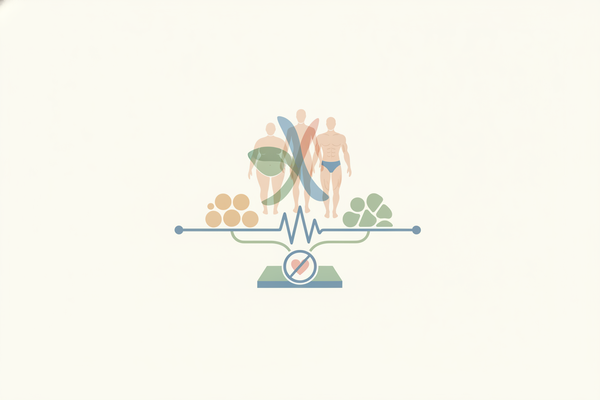
The most common body type framework divides people into three categories:
- Ectomorph: Naturally lean, narrower shoulders/hips, may have a faster metabolism, may find it harder to gain weight.
- Mesomorph: Athletic, medium frame, may build muscle more easily, moderate metabolism.
- Endomorph: Softer, rounder body, may tend to store fat more easily, may have a slower metabolism.
Most people are a blend, not a perfect match. These types can help you understand your tendencies—like why an ectomorph might need more calories to gain muscle, or why an endomorph may need to be mindful of portions when aiming for fat loss. But your daily calorie needs are shaped by much more than just your "type."
For a deeper look at body shapes (like apple, pear, hourglass, rectangle) and what they mean, check our guide: Body Types and Shapes: The Ultimate Body-Positive Guide.
2. Why Sex, Age, Height, Weight, and Activity Matter More
While body type gives a broad description, your calorie needs are most directly influenced by:
- Sex: Men often need more calories due to higher muscle mass; women’s needs fluctuate with hormonal changes.
- Age: Calorie needs often decrease with age as metabolism can slow.
- Height & Weight: Larger bodies need more energy, whether that’s muscle or fat.
- Activity Level: Sedentary, moderate, or active lifestyles change daily needs by hundreds of calories.
For example, a moderately active 35-year-old woman (5'6", 160 lbs) may need about 2,000 calories to maintain weight. A sedentary man of the same age and weight might need closer to 1,800. Body type may influence these numbers slightly, but the main drivers are the factors above.
3. How to Estimate Your Maintenance Calories
Maintenance calories are the amount you need to neither gain nor lose weight. Start here:
- Use a calorie calculator (many are free online) or check standardized calorie charts from reputable sources.
- Most calculators use the Mifflin-St Jeor equation, factoring in age, sex, weight, height, and activity.
- You can also use the Harris-Benedict formula for a slightly different estimate.
Example: For a 40-year-old female, 165 lbs, 5'5", moderately active, the estimated maintenance is about 1,950 calories/day. For a 40-year-old male, 185 lbs, 5'10", moderately active, it’s about 2,600 calories/day.
Apps like Trimm can help you log your calories, weight, and see real trends over time, making it easier to adjust as needed.
4. Adjusting Calories for Weight Loss, Gain, or Muscle Gain
Once you know your maintenance calories, adjust based on your goal:
- Weight Loss: Aiming for a deficit of 250-500 calories/day is commonly recommended for gradual, sustainable loss (about 0.5-1 lb/week).
- Muscle Gain: Some people add 200-500 calories/day, focusing on protein and strength training.
- Weight Maintenance: Keep intake around your calculated maintenance, adjusting as weight changes.
Body type can influence your approach. Ectomorphs may need a bigger surplus to add muscle. Endomorphs may benefit from a more gradual calorie reduction and higher protein for satiety. Always prioritize health—avoid extreme deficits or surpluses. For any significant changes, consult your healthcare provider.
5. Recommended Macronutrient Splits for Each Body Type
Once you set your calorie range, think about macronutrients (protein, carbs, fat). While there’s no "one size fits all," here are some broad guidelines sometimes suggested:
- Ectomorph: Higher carbs (around 50-60%), moderate protein (20-25%), moderate fat (20-25%) to fuel metabolism and muscle gain.
- Mesomorph: Balanced: Carbs (40-50%), protein (25-30%), fat (20-30%).
- Endomorph: Lower carbs (30-40%), higher protein (30-35%), moderate fat (25-35%) may support satiety and stable energy.
Remember: These are starting points, not rules, and not all experts agree on macronutrient splits by body type. Track how you feel, perform, and progress, and adjust as needed. How to Tell If You Are at a Healthy Weight: The Complete Guide and body composition measurements can provide more insight than weight alone.
6. How Activity Level Changes Daily Calorie Needs
Activity level is a major factor for calorie requirements. Here’s a quick breakdown:
- Sedentary (little/no exercise): Maintenance needs are lower. Example: 1,600-1,800 kcal for many women; 2,000-2,200 kcal for many men.
- Moderately Active (3-5 days/week of moderate exercise): May require 200-400 kcal/day above sedentary.
- Very Active (intense exercise most days or physical job): May require 400-800+ kcal/day above sedentary.
Your goal (weight loss, gain, muscle building) may also change your recommended intake. Use an app or journal to track both your intake and your movement for the most accurate picture.
7. Body Composition and Body Fat Percentage: The Real Difference
Two people with the same height and weight can have very different calorie needs based on their muscle-to-fat ratio. Muscle tissue burns more calories at rest than fat tissue. Body composition—measured with tools like body fat scales or DEXA scans—gives better insight than weight or BMI alone.
For example, a muscular mesomorph at 170 lbs may require more calories to maintain weight than a less active endomorph of the same weight. Focus on building or preserving muscle through strength training and adequate protein, no matter your body type.
8. Example Calorie Ranges for Men and Women by Age and Activity
Here are some rough daily calorie needs, based on USDA charts:
- Women:
- 19-30 years: Sedentary 1,800, Active 2,400
- 31-50 years: Sedentary 1,800, Active 2,200
- 51+: Sedentary 1,600, Active 2,000
- Men:
- 19-30 years: Sedentary 2,400, Active 3,000
- 31-50 years: Sedentary 2,200, Active 2,800
- 51+: Sedentary 2,000, Active 2,600
These are starting points. Personal factors—body type, muscle, health conditions—can shift needs up or down. For those using GLP-1 medications, tracking intake and weight changes in a dedicated app like Trimm can help spot patterns and make informed adjustments. Always consult your healthcare provider before making changes related to medication.
9. Common Mistakes with Body Type and Calorie Intake
It’s easy to fall into traps like:
- Assuming you must eat for your body type alone, ignoring age, sex, or activity.
- Drastically cutting calories because of a "slow metabolism" (often unsustainable and unhealthy).
- Chasing fad diets for your shape (like “apple” or “pear” meal plans) instead of balanced nutrition.
- Relying on BMI as the only measure—see why it’s limited at BMI Limitations: What BMI Really Means (and Misses) for Your Health.
Remember: Any body can be healthy at many sizes. Focus on habits, not just numbers. Medical advice—especially for those on medications like Ozempic or Wegovy—always comes from a doctor. Never start, stop, or change medication or dosage without consulting your healthcare provider.
10. How to Use a Calorie Calculator to Personalize Your Intake
Ready to get specific?
- Find a reputable calculator (look for those using the Mifflin-St Jeor or Harris-Benedict formula).
- Input age, sex, height, weight, and honest activity level.
- Set your goal (maintain, lose, gain muscle) and get a recommended calorie range.
- Adjust in 100-200 calorie increments as you track your real-life results over 2-4 weeks.
For those on GLP-1s, regular weight and intake tracking is important for safe, steady progress—learn more in GLP-1 Weight Loss: The Definitive Guide to Medications, Results, and Safety. If you experience side effects or want to track medication details, see our step-by-step guide: How to Track Side Effects on GLP-1s. Always discuss any medication concerns with your doctor.
Conclusion
Body types and recommended calorie intake are connected, but your best nutrition plan is always personal. Use frameworks like ectomorph/mesomorph/endomorph and apple/pear/rectangle as tools for self-understanding—not limits. Focus on healthy habits, track your progress with supportive tools like Trimm, and always seek medical guidance for medication or major health changes. Your body is unique, and so is your journey.
FAQ
Q: How many calories should an ectomorph eat per day?
A: Ectomorphs are sometimes described as having faster metabolisms and may require more calories to maintain or gain weight compared to others, but exact needs depend on your age, sex, activity, and goals. Start with a calorie calculator, then adjust as you track your results over a few weeks. Always consult a healthcare provider for personalized advice.
Q: How many calories should an endomorph eat to lose weight?
A: Endomorphs may benefit from a moderate calorie deficit, focusing on higher protein and fiber for fullness. A typical deficit is 250-500 calories below maintenance needs. Avoid extreme restriction, which can slow metabolism or affect muscle mass. Personalization and tracking are key. Always consult your healthcare provider before making significant changes.
Q: What is the best calorie intake for a mesomorph?
A: Mesomorphs may respond well to balanced nutrition and moderate calorie adjustments. Use a calculator to find maintenance, then create a small deficit for fat loss or a slight surplus for muscle gain. Monitor progress and adjust as needed based on activity and goals. Consult your healthcare provider for guidance.
Q: Do body types really determine how many calories you need?
A: Body type is one factor among many. Age, sex, activity, muscle mass, and health status have a bigger impact on calorie needs. Body type can guide food choices and training, but shouldn't be the only consideration.
Q: How do I calculate my maintenance calories based on my body type?
A: Start with a standard calculator using age, sex, weight, height, and activity. Adjust up or down in small increments if you notice weight changes over 2-4 weeks. Body type may influence needs slightly, but tracking real results is most important. For personalized advice, consult your healthcare provider.
Q: What calorie deficit should I use for fat loss based on my body type?
A: A deficit of 250-500 calories/day is commonly recommended for gradual, sustainable fat loss for most people. Endomorphs may prefer the higher end for gradual loss; ectomorphs should avoid aggressive deficits to prevent muscle loss. Always consult a healthcare provider for personalized advice and before making significant changes.