Body Shape Changes After Weight Loss: A Complete Guide
Explore how body shape changes after weight loss, fat distribution, muscle tone, and how to dress and train for your unique body type.

Estimated reading time: 15 min
Key Takeaways
- Body shape changes after weight loss vary due to genetics, fat distribution, and hormones, making each person’s experience unique.
- Common visible changes include reductions in waist, hips, thighs, arms, and face, but the rate and order differ individually.
- Muscle definition and posture significantly impact post-weight-loss appearance beyond just size reduction.
- Understanding your body type—ectomorph, mesomorph, or endomorph—can help tailor training, nutrition, and clothing choices for optimal results and confidence.
- Loose skin and body contouring options may be considerations for large weight loss; patience and medical guidance are important.
Table of Contents
- Section 1: How Fat Loss Changes Body Shape Overall
- Section 2: Common Visible Changes in Body Areas
- Section 3: Why Some Areas Shrink Faster Than Others
- Section 4: Muscle, Posture, and Body Composition Changes
- Section 5: Loose Skin and Body Contouring After Weight Loss
- Section 6: Understanding Body Types and Dressing for Your Shape
- Conclusion
- FAQ
Section 1: How Fat Loss Changes Body Shape Overall
Understanding Fat Loss and Body Shape
When you lose weight, your body shape undergoes noticeable changes; however, these changes rarely happen uniformly across all areas. Weight loss primarily reflects a reduction in your total fat mass, but the specific regions where fat diminishes first—and the resulting shifts in your silhouette—are influenced by a complex interplay of genetics, hormonal profile, age, sex, and baseline body composition.
Fat is stored in two main compartments: subcutaneous fat, which lies just beneath the skin and directly affects your external body shape, and visceral fat, which surrounds internal organs and has important implications for metabolic health. While visceral fat loss may not dramatically alter your outward appearance, its reduction often leads to improved health markers such as lower blood sugar and cholesterol levels.
Fat Distribution Patterns
Individuals tend to have characteristic fat distribution patterns, often described through familiar body shape analogies like apple and pear shapes, or through somatotype classifications such as ectomorph, mesomorph, and endomorph. These patterns are largely genetic and hormonal, defining where fat tends to accumulate and consequently, where it tends to be lost during weight reduction.
- Apple-shaped individuals carry more fat around the abdomen and upper body. Weight loss often prominently reduces waist circumference but may be slower in the hips and thighs.
- Pear-shaped individuals accumulate more fat around the hips, thighs, and buttocks. These areas may shrink more noticeably but sometimes more slowly compared to the abdomen.
- Ectomorphs are naturally leaner with lower fat storage, often experiencing subtle shape changes during weight loss.
- Endomorphs tend to store more fat overall, and may experience more dramatic shifts in body shape, but also face challenges in losing fat from certain stubborn areas.
Recognizing your fat distribution pattern and body type can help set realistic expectations for your weight-loss journey and inform your approach to training, nutrition, and clothing choices. For a comprehensive understanding, see our Body Types and Shapes: The Ultimate Body-Positive Guide guide.
Using Tools Like Trimm to Track Your Journey
Tracking progress during weight loss is essential to understand how your body shape evolves over time. Using an app like Trimm allows you to log not only your weight but also precise body measurements such as waist, hips, arms, thighs, and neck circumference. This data provides a more nuanced insight into your changing shape than weight alone.
Additionally, Trimm supports tracking medication doses and other health variables, helping you correlate lifestyle changes with physical outcomes. Visualizing progress through charts and photos can be motivating and reveal subtle changes that might be missed day-to-day. For example, if you are using GLP-1 medications, our GLP-1 Weight Loss: The Definitive Guide to Medications, Results, and Safety post offers valuable information on what to expect.
Section 2: Common Visible Changes in Body Areas
Waist and Abdomen
The waist is frequently one of the first and most dramatic areas to show visible changes after weight loss. As subcutaneous and visceral abdominal fat diminish, waist circumference decreases, often resulting in a more defined waistline and enhanced body proportions.
For apple-shaped individuals, this central fat loss can lead to significant improvements not only in appearance but also in metabolic health. The reduction of visceral fat, which surrounds organs, contributes to lowering risks of cardiovascular disease, diabetes, and other metabolic conditions.
Even modest weight loss can lead to measurable decreases in waist size—often several centimeters—making clothes fit differently and improving comfort. To better understand if your weight loss is leading you toward a healthy range, check out our How to Tell If You Are at a Healthy Weight: The Complete Guide.
Hips, Thighs, and Buttocks
Pear-shaped bodies typically store a higher percentage of fat in the lower body—hips, thighs, and buttocks. Fat loss in these areas can result in a noticeable reduction in circumference and changes in the lower body’s curves. However, these regions often respond more slowly to fat loss due to differences in fat cell type and hormone receptor density.
For example, the hips and thighs contain higher numbers of alpha-2 adrenergic receptors, which are less responsive to fat breakdown signals compared to beta-2 receptors found in the abdomen. This receptor pattern may explain why fat in the lower body can be more resistant to mobilization.
Despite slower response, consistent caloric deficit combined with regular aerobic and resistance training can yield gradual improvements in these areas.
Face and Neck
Facial fat loss tends to be an early visible sign of weight reduction. As fat diminishes in the cheeks and jawline, sharper bone structure can become evident, often leading to a more sculpted and youthful appearance. Changes in the neck area include reduced fullness and a more pronounced neckline.
These changes can positively influence self-perception and confidence. For some, face and neck fat loss can become noticeable after just a few pounds lost, reflecting the relatively high metabolic activity of fat cells in these regions.
Arms and Legs
Fat loss in the limbs reduces overall circumference, but muscle tone plays a major role in how these changes appear visually. Without sufficient strength training or protein intake, limbs may appear smaller but less defined, potentially leading to a softer or sagging look.
Conversely, combining weight loss with resistance training can increase muscle definition, making arms and legs appear toned and strong. For example, incorporating exercises like bicep curls, tricep dips, squats, and lunges can preserve and build muscle that complements the reduction in fat.
Section 3: Why Some Areas Shrink Faster Than Others
Genetics and Fat Storage
Your genetic makeup largely dictates your fat storage and mobilization patterns. Some individuals experience early fat loss in their face or arms, while others notice changes first in their abdomen or lower body. This inherent pattern is why exercises targeting specific areas for fat loss, known as "spot reduction," are ineffective; fat mobilization occurs systemically rather than locally.
For example, a person genetically predisposed to store fat around the midsection may find that their abdomen remains the last area to show significant reduction, despite fat loss elsewhere. Understanding and accepting your unique pattern helps maintain realistic expectations.
Hormonal Influences
Hormones play a central role in fat distribution and metabolism. Cortisol, the stress hormone, can encourage fat storage especially in the abdominal region. Insulin sensitivity influences how your body processes and stores fat related to diet and energy balance.
Sex hormones like estrogen and testosterone also determine fat patterning. Estrogen promotes fat storage in the hips and thighs for women, while men tend to store more fat in the abdomen. During weight loss, hormonal fluctuations can lead to uneven fat loss, sometimes making certain areas appear to shrink faster than others.
For example, during menopause, women may notice increased abdominal fat accumulation due to declining estrogen levels, which can also influence fat loss patterns.
Fat Cell Characteristics
Fat cells, or adipocytes, differ in size and metabolic activity depending on their location. Abdominal fat cells are generally more metabolically active, meaning they respond more quickly to fat breakdown signals. This can result in faster fat loss in the midsection compared to hips or thighs, where fat cells are larger and less responsive.
Moreover, the composition of fat—white vs. brown adipose tissue—affects how fat is stored and lost. Brown fat, more metabolically active and involved in thermogenesis, is present in small amounts around the neck and upper back, potentially contributing to regional differences in fat loss.
Section 4: Muscle, Posture, and Body Composition Changes
Muscle Loss vs. Muscle Definition
During weight loss, it is common to lose some muscle mass along with fat, especially when caloric deficits are large or protein intake is insufficient. Muscle loss can negatively impact strength, metabolism, and body shape.
Resistance training is essential to preserve and build lean muscle mass. Exercises such as weightlifting, bodyweight training, and resistance bands help maintain muscle, resulting in a more toned and defined appearance. For example, studies show that combining caloric restriction with resistance training leads to better maintenance of lean body mass compared to dieting alone.
Muscle definition enhances the contours of limbs and torso, making curves and angles more visible beyond simple size reduction. This contributes to a healthier and more athletic look.
Body Composition: Fat Mass, Lean Mass, and Water Weight
Weight loss involves changes in multiple components: fat mass, lean mass (muscle and organs), water, and glycogen stores. Fluctuations in hydration and glycogen can cause daily weight variations unrelated to fat loss.
Using tools like Trimm to track body composition metrics can help distinguish between fat loss and muscle loss. Some advanced scales estimate body fat percentage, lean mass, and water content, providing a clearer picture of your progress.
For example, a person losing 1 kg in a week might lose varying proportions of fat, muscle, and water. Tracking these trends over time helps optimize nutrition and training strategies.
Posture and Skeletal Shape Changes
Weight loss often improves posture due to reduced weight burden on joints and muscles, as well as increased physical activity. Improved posture can create the illusion of a leaner, taller, and more confident frame by aligning the spine and opening the chest.
While your skeletal structure remains unchanged, revealing your natural bone shape more clearly, weight loss may uncover asymmetries or unique skeletal characteristics that were previously masked by excess fat.
Engaging in activities that strengthen core muscles and improve flexibility, such as yoga or Pilates, can further enhance posture and overall body appearance.
Section 5: Loose Skin and Body Contouring After Weight Loss
Factors Affecting Loose Skin
After significant weight loss, loose or sagging skin can be a concern, especially following rapid weight loss or very large amounts of weight lost. Skin elasticity diminishes due to factors such as age, genetics, the duration of time spent carrying excess weight, smoking history, and sun exposure.
Common areas prone to loose skin include the abdomen, upper arms ("bat wings"), thighs, neck, and under the chin. The severity of loose skin varies widely between individuals.
For example, a younger person who loses weight gradually may experience greater natural skin retraction compared to someone older or who lost weight rapidly.
Body Contouring Options
For those with significant loose skin impacting comfort, mobility, or self-esteem, body contouring procedures may be an option. Surgical interventions include abdominoplasty (tummy tuck), brachioplasty (arm lift), thigh lift, and neck lift.
Non-surgical treatments such as radiofrequency, ultrasound therapy, and laser treatments aim to stimulate collagen production and improve skin tightness but generally provide more modest results.
Choosing body contouring is a personal decision and should involve in-depth consultation with board-certified plastic surgeons to understand risks, benefits, and realistic outcomes.
Importance of Patience and Skin Care
Patience is crucial as skin retraction can continue for months or even years after weight loss, depending on individual factors. Maintaining good hydration and nutrition supports skin health, especially adequate protein, vitamin C, and zinc intake which are important for collagen synthesis.
Gentle skin care practices, avoiding excessive sun exposure, and not smoking also promote skin elasticity. While these measures do not fully prevent loose skin, they can improve the skin’s appearance over time.
Section 6: Understanding Body Types and Dressing for Your Shape
Common Body Type Frameworks
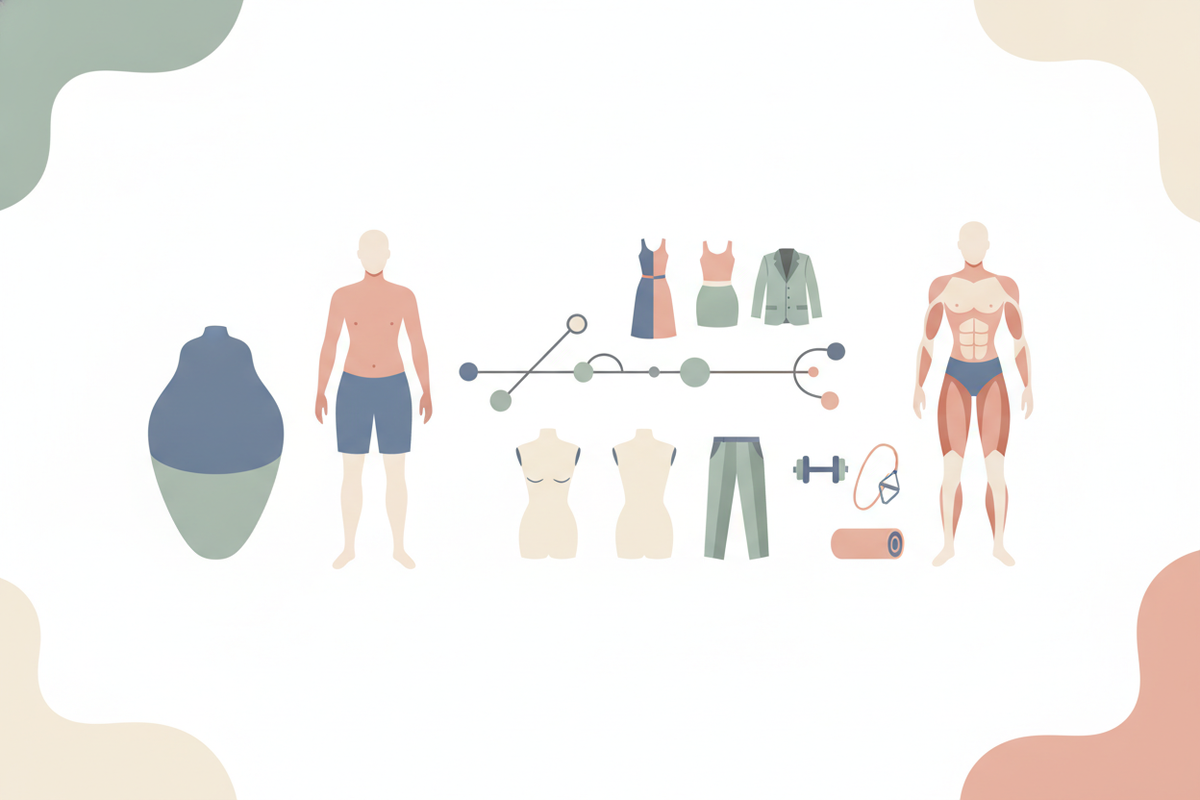
Body types are often categorized using somatotypes—ectomorph, mesomorph, and endomorph—or by shape descriptors like apple, pear, hourglass, and rectangle. These frameworks describe natural tendencies in fat distribution, bone structure, and muscle mass, providing a helpful lens to understand your unique shape.
For instance:
- Ectomorph: Characterized by a slim build, narrow shoulders and hips, and difficulty gaining weight or muscle. Weight loss may result in a very lean appearance.
- Mesomorph: Naturally muscular with balanced proportions and an ability to gain or lose weight relatively easily. Weight loss often reveals defined muscle tone.
- Endomorph: Softer, rounder physique with a propensity to gain fat easily. Weight loss can lead to significant shape transformations but may require focused strategies to preserve muscle.
- Apple shape: More weight carried around the midsection with slimmer limbs.
- Pear shape: Wider hips and thighs compared to the upper body.
- Hourglass: Balanced bust and hips with a well-defined waist.
- Rectangle: Straight silhouette with minimal waist definition.
Recognizing your body type and shape can be empowering, helping you understand your natural tendencies and how your body may respond to weight loss. For a deeper dive, explore our Body Types and Weight Loss Success: 10 Essential Insights.
Can You Change Your Body Type?
While your basic genetic body type is fixed, you can influence your body’s appearance and shape through targeted exercise, nutrition, and posture improvements. For example, resistance training can build muscle in specific areas, enhancing curves or creating a more toned silhouette within your natural frame.
Nutrition influences body composition by supporting muscle growth and fat loss. Adequate protein intake and balanced macronutrients help preserve lean mass during weight loss.
Posture correction and flexibility training can also alter how your body looks by improving alignment, reducing imbalances, and enhancing confidence in movement.
How to Dress for Your Body Type
Understanding your shape guides clothing choices that flatter your figure and boost confidence. Examples include:
- Apple shapes benefit from styles that elongate the torso and emphasize legs, such as A-line skirts and V-neck tops.
- Pear shapes often look great in clothing that accentuates the waist and balances proportions, like structured tops and bootcut pants.
- Hourglass figures shine in fitted clothing that highlights their natural curves, such as wrap dresses and tailored pieces.
For further guidance, see our detailed Apple vs Pear Body Shape: How to Tell & What It Means post, which explores dressing tips tailored to these shapes.
Conclusion
Body shape changes after weight loss are complex and influenced by genetics, hormones, fat distribution, muscle tone, posture, and lifestyle choices. While visible changes commonly appear in the waist, hips, face, and limbs, the order and degree vary for every individual.
Understanding your body type—whether ectomorph, mesomorph, endomorph, apple, or pear—can help set realistic expectations and tailor your training, nutrition, and wardrobe choices to your unique shape. Incorporating resistance training and posture improvement alongside weight loss supports a toned, healthy appearance.
Using apps like Trimm offers valuable tools to track your weight, measurements, and progress, helping you visualize and celebrate how your body evolves throughout your journey. Remember, every body is different, and all shapes deserve respect, kindness, and celebration.
FAQ
Q: Will my body shape change after weight loss?
A: Yes, body shape typically changes after weight loss, but the extent and pattern depend on your genetics, fat distribution, and hormones. Some areas may slim faster than others, resulting in an altered overall silhouette. Remember, these changes happen gradually and uniquely for everyone.
Q: Which body parts change first when you lose weight?
A: Fat loss patterns vary widely, but many people notice changes first in the face, neck, and arms, as these areas often have more metabolically active fat cells. Abdominal fat can also reduce relatively quickly, especially visceral fat, which is more responsive to weight loss.
Q: Why do I still have loose skin after losing a lot of weight?
A: Loose skin results from rapid or significant weight loss that exceeds your skin’s natural elasticity. Factors like age, genetics, sun exposure, smoking, and how long you carried excess weight also influence skin tightness. Some skin retraction may occur over time, but surgical options exist for excess skin removal if needed.
Q: Can you change where you lose fat first?
A: Spot reduction is a myth; you cannot control where fat is lost first. Fat loss occurs systemically, governed primarily by your genetics and hormonal influences. However, building muscle in specific areas can improve overall shape and appearance.
Q: Does weight loss make you look more toned or just smaller?
A: Weight loss alone reduces overall size, but incorporating resistance training and adequate protein intake helps preserve and build muscle, improving tone and definition so your body looks sculpted rather than simply smaller.
Q: How much weight do you need to lose before people notice a difference?
A: This varies depending on your starting weight and body composition. Generally, a 5-10% reduction in body weight is noticeable to others, but tracking measurements and progress photos often reveal changes sooner, providing motivation to continue. For tips on interpreting these visual changes, see our Interpreting GLP-1 Progress Photos: A Step-by-Step Guide.