Body Shape and Clothing Fit Tips: Your Ultimate Style Guide
Discover body shape and clothing fit tips to dress your unique body type with confidence. Learn how to measure, style, and choose flattering clothes today.

Estimated reading time: 9 min
Key Takeaways
- Identify your body shape using bust, waist, and hip measurements to understand your unique proportions.
- Body shapes like apple, pear, hourglass, rectangle, and ectomorph/mesomorph/endomorph can influence how clothes fit and flatter your figure.
- Fit matters more than size; accurate measurements and reading size charts help you pick the right clothes.
- Choose clothing styles, necklines, and accessories that enhance your natural shape and create balance.
- Tailoring and smart fabric choices can transform your wardrobe and boost confidence.
Everyone’s body is unique, and understanding your body shape is a helpful step to dressing with confidence and comfort. Whether you’re wondering “what body type am I?” or how to dress for your figure, this guide covers useful information. From female body shapes explained to male body types and the classic ectomorph, mesomorph, and endomorph categories, we’ll help you learn how to measure yourself, interpret your proportions, and choose clothes that celebrate your silhouette. Plus, discover tips on fit, fabric, and accessories to create flattering looks that suit your lifestyle and personality. For a deeper understanding, see our ultimate body-positive guide on body types and shapes.
1. How to Identify Your Body Shape Using Measurements
Start by measuring your bust, waist, and hips with a soft measuring tape. Wear form-fitting clothing or measure directly on your skin for accuracy.
Follow these steps:
- Bust: Measure around the fullest part of your chest, keeping the tape parallel to the floor.
- Waist: Find the narrowest part of your torso, usually above your belly button.
- Hips: Measure around the widest part of your hips and buttocks.
Compare these numbers to get an idea of your body shape. For example, if your hips are significantly wider than your bust, you might have a pear shape. If your bust and hips are similar, with a defined waist, you might have an hourglass shape. For a detailed breakdown, check out this apple vs pear body shape guide.
2. Common Body Shape Categories Explained
Understanding common body shapes helps you recognize your natural proportions without judgment. Shapes are descriptive, not prescriptive, meaning they describe your current physique rather than dictate how you should look.
Here are some common categories:
- Apple: Larger bust and waist, narrower hips.
- Pear: Narrower bust, wider hips.
- Hourglass: Bust and hips balanced with a defined waist.
- Rectangle: Bust, waist, and hips have similar measurements.
- Inverted Triangle: Broad shoulders and bust, narrower hips.
- Round: Fuller midsection with less defined waist.
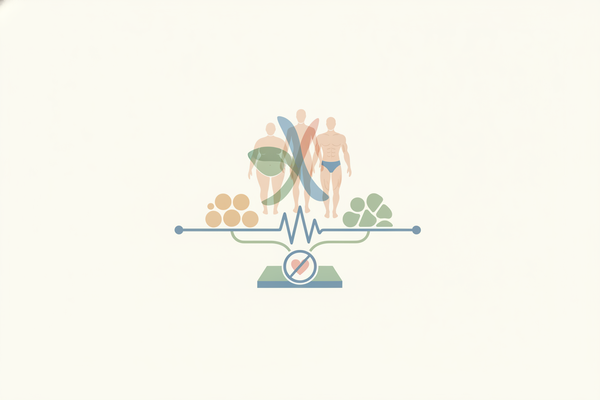
Another framework is the ectomorph, mesomorph, and endomorph system, which classifies body types based on general build characteristics:
- Ectomorph: Slim with narrow shoulders and hips.
- Mesomorph: Athletic build with muscular definition.
- Endomorph: Softer body with more fat storage.
Remember, you can exhibit traits from multiple categories, and your body shape can change slightly over time due to lifestyle or training. Learn more about how hormones affect body shape to understand these changes better.
3. Why Fit Matters More Than Size Across Brands
Clothing sizes are not standardized. A size 8 in one brand may fit like a size 6 or 10 in another. That’s why focusing on fit instead of size is important.
To help ensure the best fit:
- Use your measurements to check size charts before buying.
- Read customer reviews for fit insights.
- Consider fabric stretch and garment construction.
Apps like Trimm can help you track your measurements and monitor how your body changes over time, whether you are on a GLP-1 weight-loss journey or simply aiming to understand your shape better.
4. How to Choose Flattering Jeans, Pants, Skirts, and Dresses by Body Shape
Each body shape can benefit from specific clothing silhouettes that enhance balance and comfort.
For example:
- Apple: High-waisted pants with a slight flare may help elongate legs and define the waist.
- Pear: A-line skirts and bootcut jeans can balance wider hips.
- Hourglass: Fitted dresses and skinny jeans often highlight curves gracefully.
- Rectangle: Clothes that add curves, such as peplum tops or dresses with waist belts, can be flattering.
- Inverted Triangle: Wide-leg pants and skirts may add volume to hips, balancing broad shoulders.
Look for waistlines that emphasize your natural waist, and consider avoiding styles that add bulk to areas you prefer to downplay.
5. Best Neckline, Sleeve, and Waistline Choices for Different Proportions
Necklines and sleeves can change how your upper body looks. Here’s what to consider:
- V-neck: Often flattering for apple and round shapes as it elongates the neck.
- Scoop neck: Can be great for pear shapes to balance the upper body.
- Boat neck and square neck: May work well for inverted triangle shapes by softening broad shoulders.
- Cap sleeves and puff sleeves: Add volume to balance narrow shoulders or hips.
- Empire waist: Fits well for round shapes by raising the waistline.
Experiment with different necklines and sleeve lengths to see what makes you feel best.
6. Using Fabric, Structure, and Drape to Improve Clothing Fit
Fabric choice affects clothing fit and comfort:
- Structured fabrics (like denim or twill): Hold shape well, great for tailored looks.
- Drapey fabrics (like silk, jersey): Flow over curves, ideal for softer silhouettes.
- Stretch fabrics: Offer flexibility and comfort, especially in fitted clothes.
Using layering strategically can also add dimension or minimize areas. For example, a tailored blazer can create a defined waist and improve posture.
7. How Belts, Layering, and Accessories Create Balance and Waist Definition
Accessories are powerful styling tools:
- Belts: Define the waist on rectangular or loose-fitting dresses and tops.
- Layering: Adds depth and can emphasize or conceal parts of your body.
- Necklaces and scarves: Draw attention to the face and neckline.
- Statement shoes and bags: Divert focus and complete your look.
Experiment with these to highlight your favorite features or create new proportions.
8. How to Read Size Charts and Measure Yourself Accurately at Home
Accurate measurements are key to finding clothes that fit:
- Use a soft tape measure.
- Measure yourself standing in front of a mirror for better alignment.
- Wear minimal clothing or tight-fitting garments.
- Record bust, waist, hips, inseam, and arm length.
Always compare your numbers against brand size charts, because sizes vary widely. This knowledge helps you shop smarter online or in-store. For more on determining a healthy weight in relation to your body shape, see our complete guide on how to tell if you are at a healthy weight.
9. Tailoring and Alterations for a Better Fit
Even the best clothes can benefit from tailoring. Consider:
- Adjusting hemlines for pants and skirts.
- Taking in or letting out seams for better waist or bust fit.
- Shortening sleeves or adjusting shoulder seams.
Tailoring transforms off-the-rack items into personalized pieces that flatter your body perfectly.
10. Body-Shape-Specific Styling Tips for Women and Men
Styling advice varies by gender and body shape:
- Women with apple shape: Emphasize legs and neckline, and consider avoiding clingy fabrics around the midsection.
- Men with rectangle shape: Layering and structured jackets can add dimension.
- Pear-shaped women: Highlight shoulders and waist; A-line skirts are often flattering.
- Mesomorph men: Tailored clothes that show muscular build without tightness may work well.
Everyone benefits from embracing their unique silhouette and focusing on comfort and confidence over trends.
Conclusion
Understanding your body shape and how clothing fits can be empowering and liberating. It helps you select pieces that highlight your best features and create harmony in your overall look. Remember, body shapes like apple, pear, hourglass, or rectangle are simply descriptions — not rules to limit you. Whether you identify as ectomorph, mesomorph, or endomorph, embracing your natural shape with the right fit, fabrics, and accessories can boost your confidence and style.
For those on a weight-loss journey, including those using GLP-1 medications, tracking your measurements and progress can be motivating. Consider exploring Trimm, a comprehensive app designed to log doses, weight, side effects, and measurements to visualize your journey in one place. Always consult your healthcare provider regarding any medication use or changes. To learn more about these medications, see our definitive guide to GLP-1 weight loss medications.
FAQ
Q: How do I determine my body shape at home?
A: Use a soft measuring tape to measure your bust, waist, and hips accurately. Compare these numbers to common body shape categories like apple, pear, hourglass, or rectangle to see which best matches your proportions.
Q: What clothes look best for an hourglass body type?
A: Fitted clothing that highlights your defined waist, such as wrap dresses, high-waisted pants, and peplum tops, often work well. Avoid shapeless garments that hide your natural curves.
Q: How should I dress if I have a pear-shaped body?
A: Balance your silhouette by emphasizing your upper body with boat necks or puff sleeves and choosing A-line skirts or bootcut pants to flatter wider hips.
Q: How do I know if a shirt or jeans fit properly?
A: Proper fit means comfort without tightness or excess fabric. Shirts should allow movement without pulling at buttons, and jeans should fit snugly at the waist without gaping or pinching.
Q: What are the best pants for my body shape?
A: It depends on your shape: bootcut or flared for pear shapes, straight-leg or skinny for hourglass, and tapered or relaxed fit for apple shapes. Try styles that balance your proportions and feel comfortable.
Q: Should I buy clothes based on size or measurements?
A: Always buy based on your measurements and compare them against brand size charts. Sizes vary widely, so measurements ensure a better fit than relying on size labels alone.
Free to start
Try the Trimm app
Everything in this guide, in your pocket.
Get it on iPhoneGet it on Android