Protecting GLP-1 App Data: Essential Tips to Prevent Unauthorized Access
Learn essential tips for protecting GLP-1 app data, focusing on security measures to prevent unauthorized access and maintain user privacy.

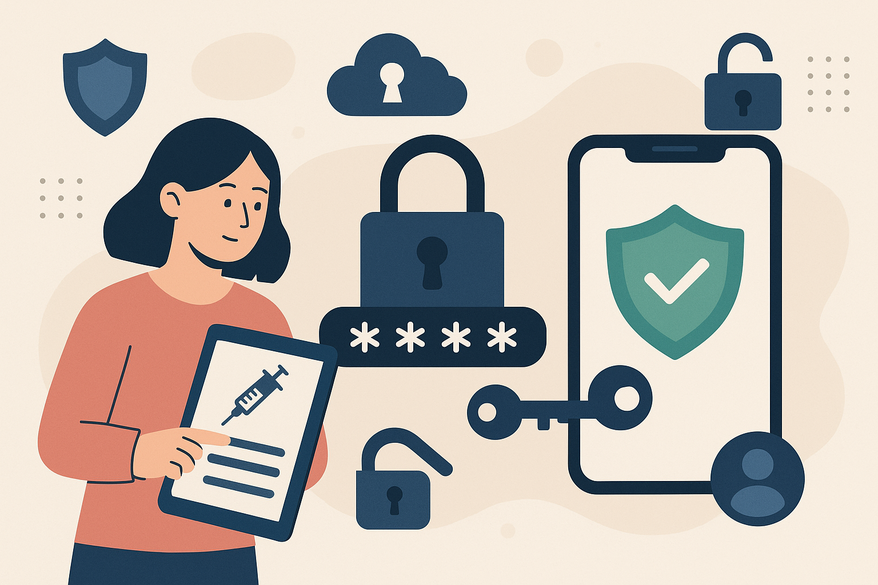
Estimated reading time: 8 minutes
Key Takeaways
- GLP-1 apps collect highly sensitive health and behavioral data requiring strict privacy measures.
- Common threats include malware, insecure APIs, weak authentication, and insider risks.
- Implement layered security: strong encryption, robust authentication, role-based access, and regular audits.
- Adopt secure coding practices, intrusion detection, backup strategies, and compliance with HIPAA, GDPR, and other regulations.
- Regularly update policies, run penetration tests, and train development teams to maintain a secure app environment.
Table of Contents
- 1. Understanding GLP-1 App Data
- 2. Common Threats and Vulnerabilities
- 3. Best Practices for Data Protection
- 4. Additional Security Measures
- 5. Regulatory and Compliance Considerations
- Conclusion
1. Understanding GLP-1 App Data for Protecting GLP-1 App Data
GLP-1 app data encompasses a wide variety of user inputs and system-generated records. Properly classifying this data is the first step in building robust data protection and privacy measures.
What counts as GLP-1 app data?
- Medication logs: drug names, doses, injection dates, refill reminders, missed-dose records.
- Symptom and side effect entries: nausea, gastrointestinal events, fatigue, mood fluctuations.
- Biometric metrics: weight, BMI, activity levels, sleep patterns, heart rate from wearables.
- Lifestyle and behavioral notes: diet logs, exercise routines, mood journals.
- Account and device metadata: usernames or emails, device IDs, IP addresses, usage timestamps.
Why this data is valuable
- Reveals medical conditions: GLP-1 therapy implies obesity or diabetes management.
- Inference potential: dosage patterns and weight trends can disclose health status.
- Commercial worth: data brokers and advertisers may profile users for targeted marketing or risk scoring.
- Research and RWE: manufacturers and clinicians use aggregated data as real-world evidence of treatment adherence and outcomes.
Potential risks if compromised
- Privacy violations and social stigma when personal health details leak.
- Discrimination by insurers or employers based on inferred conditions.
- Financial and reputational harm through fraud or blackmail.
- Erosion of therapy adherence and abandonment of digital tools due to trust loss.
2. Common Threats and Vulnerabilities in Protecting GLP-1 App Data
GLP-1 apps face a range of cyber and privacy threats. Understanding these vulnerabilities helps guide protective measures.
Major external threats
- Malware and device compromise: keyloggers or spyware capture credentials and screenshots.
- API/backend exploits: attackers exploit insecure endpoints or misconfigured cloud services.
- Insecure data transmission/storage: lack of TLS or at-rest encryption exposes data in transit or on servers.
- Weak authentication: absence of multi-factor authentication (MFA) and simple password policies.
- Third-party SDK and data-sharing risks: analytics or advertising libraries may exfiltrate user data.
- Insider threats: employees or contractors with excessive access can misuse or steal data.
Impact on users and providers
- Users: exposure of intimate health details can lead to phishing, identity theft, or psychological distress.
- Providers: regulatory fines (HIPAA, GDPR), reputational damage, user churn, cost of breach remediation, and mandatory audit requirements.
3. Best Practices for Protecting GLP-1 App Data
Securing GLP-1 app data requires layered controls. This section outlines essential technical safeguards.
3.1 Strong Encryption
- Mandatory TLS 1.2+ (or equivalent) for all in-transit data to prevent interception.
- AES-256 (or similar) encryption at rest on servers and, where feasible, on devices.
- Use vetted cryptographic libraries; avoid custom or proprietary algorithms.
- Implement key management best practices: separate key stores, regular key rotation, strict access controls.
- Encourage users to confirm “encrypted at rest” and “encrypted in transit” claims in privacy policies.
3.2 Robust Authentication
- Enforce strong password policies: minimum length 12+, mixed character sets, no common words.
- Implement MFA: app-based TOTP, SMS codes, or hardware security keys.
- Use short-lived session tokens and lock accounts temporarily after repeated login failures.
- Leverage device-native secure enclaves or keychains to store credentials securely.
- Invalidate tokens on logout or after suspicious activities, and prompt re-authentication.
3.3 Role-Based Access Control & Least Privilege
- Define clear roles (support, engineering, analytics) with minimal permissions.
- Apply least-privilege principles: users and services only access data essential for their function.
- Isolate production and staging environments; never use real user data in development.
- Log and review all access to sensitive records; automate alerts for unusual activity.
3.4 Regular Security Audits & Patching
- Conduct quarterly internal security reviews of code and infrastructure.
- Schedule annual third-party penetration tests; track and remediate findings promptly.
- Maintain a dependency-management process to apply security patches swiftly.
- Monitor public CVEs and adjust configurations or libraries as new vulnerabilities emerge.
4. Additional Security Measures for Protecting GLP-1 App Data
4.1 Secure Coding & Vulnerability Management
- Integrate SAST/DAST tools in CI/CD to catch vulnerabilities early.
- Follow OWASP Mobile Top 10 mitigations: input validation, secure storage, proper error handling.
- Conduct threat modeling focused on health-data flows and abuse scenarios.
- Provide regular security training for developers on medical data compliance and privacy.
4.2 Secure APIs & Intrusion Detection
- Require authenticated, scoped tokens for every API request; avoid over-privileged tokens.
- Implement rate limiting and anomaly detection to block brute-force or scraping attacks.
- Deploy IDS/IPS at network and application layers; monitor logs for data exfiltration patterns.
- Document and rehearse incident response playbooks for timely breach containment.
4.3 Backup & Recovery
- Automate encrypted backups stored offsite with strict access controls.
- Test restoration drills regularly to verify backup integrity and secure configurations.
- Define retention and secure deletion policies to avoid keeping outdated health data longer than necessary.
5. Regulatory and Compliance Considerations for Protecting GLP-1 App Data
Handling GLP-1 app data often triggers privacy and health-data regulations. Meeting these rules reinforces security and user trust.
Key regulations and frameworks
- HIPAA and GDPR when apps integrate with healthcare providers or serve EU/UK users.
- Local consumer privacy laws for direct-to-consumer apps (e.g., CCPA).
- Industry standards like HITRUST and ISO 27001 that mandate encryption, logging, breach notification.
Recommended compliance practices
- Draft clear privacy policies detailing data collection, usage, sharing, and user rights (access, export, deletion).
- Sign Data Processing Agreements (DPAs) with all vendors handling sensitive data to set security obligations.
- Support user rights: data access/export, account deletion, and consent withdrawal.
- Regularly review and update policies and technical controls to align with evolving legal requirements.
Conclusion
Protecting GLP-1 app data is a critical responsibility that demands end-to-end security measures. From strong encryption and robust authentication to role-based access control, regular audits, secure coding, and compliance with privacy regulations, each layer contributes to a fortress that safeguards users’ sensitive health information. By implementing these best practices and verifying them in any GLP-1 app they build or choose, developers and users can maintain data integrity, meet regulatory obligations, and preserve the trust essential for long-term therapy success.
For further best practices on securing your GLP-1 companion app, check out Data Security for GLP-1 Apps.
FAQ
How can I encrypt GLP-1 app data?
Use TLS for data in transit, AES-256 at rest, vetted crypto libraries, and strict key management.
What authentication methods are recommended?
Enforce strong passwords, multifactor authentication (MFA), short-lived tokens, and secure enclave storage.
How often should I perform security audits?
Conduct quarterly internal reviews and annual third-party penetration tests, with timely remediation of findings.
Which regulations apply to GLP-1 app data?
Apps handling health data must comply with HIPAA, GDPR, CCPA, and follow standards like HITRUST or ISO 27001.
How do I secure third-party SDKs?
Review vendor DPAs, limit data sharing, monitor SDK behavior, and remove unnecessary libraries.