Understanding Your GLP-1 Titration Schedule: A Complete Guide for Patients and Clinicians
Learn how to effectively follow a GLP-1 titration schedule for optimal results, minimizing side effects and maximizing therapeutic benefits.

Estimated reading time: 9 minutes
Key Takeaways
- Gradual dosing minimizes common GI side effects and improves long-term adherence.
- Individualized schedules based on patient factors and clinical guidelines optimize efficacy and safety.
- Structured titration reduces discontinuation rates and enhances weight, glycemic, and cardiovascular outcomes.
- Clear monitoring and written plans help patients and providers adjust doses effectively.
Table of Contents
- Introduction
- Background on GLP-1 Titration Schedule
- Understanding Titration
- Benefits of Following a GLP-1 Titration Schedule
- Detailed Breakdown of a GLP-1 Titration Schedule
- Factors Influencing the GLP-1 Titration Schedule
- Practical Tips for Providers & Patients
- Real-World Examples & Case Studies
- Conclusion
- FAQ
Introduction
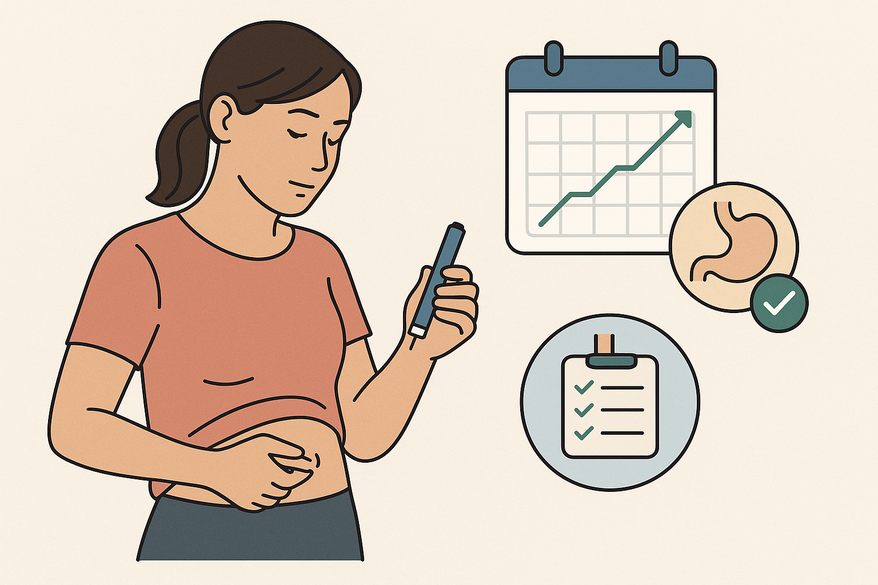
A GLP-1 titration schedule is a planned, stepwise increase of GLP-1 receptor agonist doses over time to improve tolerability and efficacy. Instead of jumping to a full-strength dose, you start low and gradually raise your dose.
Why titration matters:
- Minimizes uncomfortable side effects such as nausea, vomiting, and diarrhea (NCBI)
- Optimizes blood sugar control via effective insulin release and glucagon suppression
- Supports weight loss through gradual appetite reduction and slowed gastric emptying
- Reduces cardiovascular risk with stable, sustained dosing
- Improves long-term adherence by enhancing patient comfort (MedEd101)
Background on GLP-1 Titration Schedule
What Is GLP-1?
GLP-1 (glucagon-like peptide-1) is a gut-derived incretin hormone released after meals. It:
- Stimulates insulin secretion when blood sugar is high
- Suppresses glucagon, preventing blood sugar spikes
- Slows gastric emptying, helping you feel fuller longer
- Reduces appetite via brain satiety centers
These actions regulate blood glucose and aid weight management (NCBI). For managing side effects like nausea and fatigue, see our complete guide.
GLP-1 Receptor Agonists and Indications
Common GLP-1 RAs include:
- Semaglutide (Ozempic®, Wegovy®, Rybelsus®)
- Tirzepatide (Mounjaro®, Zepbound®)
- Liraglutide (Victoza®, Saxenda®)
- Exenatide (Byetta®, Bydureon®)
- Dulaglutide (Trulicity®), Lixisenatide (Adlyxin®)
Therapeutic uses:
- Type 2 diabetes (A1c reduction)
- Obesity and chronic weight loss
- Cardiovascular event risk reduction
- Emerging metabolic indications (NAFLD/MASH)
A structured GLP-1 titration schedule is essential to reduce GI upset and achieve steady, effective dosing.
Understanding Titration
What Is Medical Titration?
Titration in medicine means starting treatment at a low dose and gradually increasing based on:
- Standard protocols
- Patient response and side effects
- Treatment goals (A1c, weight, etc.)
Why GLP-1 RAs Need Titration
Early in therapy, GLP-1 RAs often cause GI side effects:
- Nausea and vomiting
- Diarrhea or constipation
- Bloating, reflux, early satiety
Titration allows the gut and brain to adjust, reducing severity and duration (MedEd101; Hippo Education).
Benefits of Following a GLP-1 Titration Schedule
- Reduced severity of side effects and lower discontinuation rates
- Optimized therapeutic dosing and efficacy (e.g., Wegovy 1.7–2.4 mg/week; Ozempic 0.5–1 mg/week)
- Improved patient adherence through clear expectations
- Enhanced safety via stepwise monitoring for rare adverse events
Detailed Breakdown of a GLP-1 Titration Schedule
1. Starting Dose
Purpose: Maximize tolerability without full efficacy.
Examples:
- Semaglutide (Ozempic® – diabetes): 0.25 mg once weekly for 4 weeks (Straight Healthcare)
- Semaglutide (Wegovy® – obesity): 0.25 mg once weekly for 4 weeks (FDA label)
- Tirzepatide (Zepbound®): 2.5 mg once weekly for 4 weeks (WAFP)
- Liraglutide (Victoza®): 0.6 mg once daily for 1 week (MedEd101)
- Exenatide (Byetta®): 5 mcg twice daily for 1 month (MedEd101)
2. Incremental Dosage Increases
Weekly injections escalate every 4 weeks; daily injections every 1–2 weeks.
- Ozempic® (diabetes): 0.25→0.5 mg (wk 5–8)→1 mg weekly after another 4 weeks if needed (MedEd101)
- Wegovy® (obesity): 0.25→0.5→1.0→1.7→2.4 mg weekly, each for 4 weeks (Hippo Education)
- Zepbound®: 2.5→5→7.5→10→12.5→15 mg weekly, each step ~4 weeks (WAFP)
- Liraglutide (Victoza®): 0.6→1.2 mg daily after 1 week; optional 1.8 mg after another week (MedEd101)
- Rybelsus®: 3→7→14 mg daily, 30 days each (MedEd101)
3. Monitoring & Adjustments
Assess:
- GI side effects
- Weight change and glycemic markers (A1c, fasting glucose)
- Labs (renal function, lipids)
- Adherence and missed doses
For tips on tracking weight, doses, and side effects, see our tracking guide.
Adjustments: Prolong dose intervals, step down if intolerable, or switch agents during acute illness.
4. Rationale for Gradual Increases
- Mitigates rapid shifts in gastric emptying
- Allows receptor desensitization and central adaptation
- Prevents hypoglycemia when combined with other antidiabetics
- Evaluates efficacy before higher, costlier doses
Factors Influencing the GLP-1 Titration Schedule
1. Patient-Specific Factors
- Baseline GI sensitivity (GERD, IBS) → slower titration
- Comorbidities (renal impairment, pancreatitis risk)
- Concomitant meds (insulin, sulfonylureas) → hypoglycemia risk
- Age/frailty → lower max doses, extended intervals
- Weight/glycemic targets → full maintenance vs. lower effective dose
2. Clinical Guidelines & Recommendations
- Standard: 4 weeks per weekly dose; 1–2 weeks per daily dose (ADA/EASD guidelines)
- Switching agents: wait 7 days after last weekly injection; start at equivalent or one-step-lower dose (WAFP)
- Individualize per FDA-approved schedules and patient factors
See our step-by-step GLP-1 dosage guide. For a comprehensive overview of how to safely and effectively adjust your GLP-1 dosage, check out our guide to GLP-1 titration.
Practical Tips for Providers & Patients
For providers:
- Provide a written titration calendar
- Discuss insurance coverage for intermediate doses
- Offer slower titration for high-risk patients
For patients:
- Use reminders and calendars for injections
- Inject on the same day/time each week
- Report severe side effects before escalating
Real-World Examples & Case Studies
Example 1: Standard Wegovy® Titration
- 0.25 mg wk 1–4 → 0.5 mg wk 5–8 → 1.0 mg wk 9–12 → 1.7 mg wk 13–16 → 2.4 mg wk 17+
- Moderate nausea at 1.0 mg → remain at 1.0 mg for 4–8 more weeks, implement dietary adjustments, then reconsider escalation.
Example 2: Slow Tirzepatide (Zepbound®) Titration
- Standard: 2.5→5→7.5→10→12.5→15 mg at 4-week intervals
- Modification: Stay at 2.5 mg for 8 weeks, 5 mg for 8–12 weeks, then maintain at 5–7.5 mg based on tolerance and OSA control.
Example 3: Daily Liraglutide (Victoza®) Titration with GI Issues
- Standard: 0.6 mg daily wk 1 → 1.2 mg wk 2 → consider 1.8 mg wk 3+
- Adjustment: Revert to 0.6 mg for 1–2 weeks, adopt small meals/antacids, then reattempt 1.2 mg or maintain 0.6 mg.
Conclusion
A structured GLP-1 titration schedule enables safe, tolerable escalation to effective maintenance doses. It minimizes GI side effects, improves adherence, and enhances weight, glycemic, and cardiovascular outcomes. Titration must be personalized based on patient tolerance, comorbidities, and goals. Discuss a clear, written titration plan with your healthcare provider and report side effects or missed doses promptly to ensure optimal results with your GLP-1 therapy. If you’re just beginning, see our beginner’s guide to starting GLP-1 therapy for step-by-step instructions and safety tips.
To more easily monitor your GLP-1 titration progress, including doses, weight changes, and side effects over time, consider using Trimm. It consolidates your data into clear trend lines, milestone alerts, and supply reminders to keep you on track.
FAQ
How long do I stay at each dose?
• Weekly: ~4 weeks per step; extend to 6–8 weeks if side effects persist
• Daily: 1–2 weeks per step
What if I miss a dose?
• Weekly semaglutide (Wegovy®): if >2 days until next dose, take ASAP; if <2 days, skip to next scheduled dose (MedEd101)
• Tirzepatide: dose can be taken within 4 days; else skip (WAFP)
• Daily: take next dose at regular time; do not double up
Must I reach maximum labeled dose?
No. Maintenance ranges vary (Wegovy 1.7–2.4 mg; Zepbound 5–15 mg; Ozempic 0.5–1 mg). Choose a dose that balances benefits and tolerability. For more on how GLP-1 medications support weight management and what results to expect, see our definitive guide to GLP-1 weight loss.
How can I manage side effects?
Eat small, frequent meals; avoid large fatty meals near injection days. Eat slowly and stop at first sign of fullness. Stay hydrated and consider antacids for reflux. Contact your provider if severe or persistent symptoms occur.
Can I space doses to save money?
This is off-label and may compromise outcomes. Discuss assistance programs or alternative dosing with your clinician.
How long will I be on GLP-1 therapy?
Generally long-term for obesity and chronic metabolic disease. Stopping can lead to weight regain; maintenance dosing is recommended for sustained benefit.