
Comprehensive GLP-1 Dosage Guidelines: A Step-by-Step Guide for Clinicians and Patients
Explore comprehensive GLP-1 dosage guidelines to enhance insulin secretion and manage type 2 diabetes and obesity effectively. Learn how to mitigate side effects.

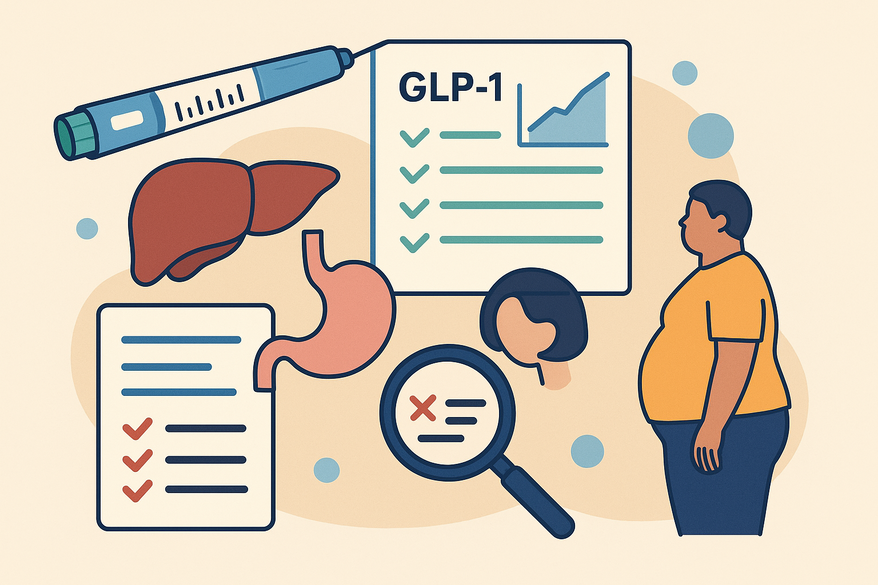
Estimated reading time: 8 minutes
Key Takeaways
- GLP-1 receptor agonists enhance insulin secretion, suppress appetite, and slow gastric emptying for glycemic control and weight loss.
- Adhere to the “start low and go slow” principle to minimize GI side effects and improve adherence.
- Initiate at low doses, titrate every 1–4 weeks, and maintain at the lowest effective dose for sustained outcomes.
- Monitor for common side effects (nausea, vomiting, diarrhea), serious risks (pancreatitis, thyroid C-cell tumors) and adjust concomitant therapies.
- Personalize dosing based on renal/hepatic function, age, BMI, and comorbidities.
Table of Contents
- Introduction
- What Is GLP-1 and Why GLP-1 Dosage Guidelines Matter
- Current Recommendations from Health Authorities
- Step-by-Step Dosing: Initiation, Titration & Maintenance
- Customizing Dosing & Patient-Specific Factors
- Mitigating Risks: Side Effects, Contraindications & Monitoring
- Best Practices from Guidelines and Clinicians
- Summary & Additional Resources
Introduction
Glucagon-like peptide-1 (GLP-1) is a gut-derived incretin hormone that enhances insulin secretion, suppresses glucagon, slows gastric emptying, and reduces appetite. Use of GLP-1 receptor agonists has surged in type 2 diabetes and obesity management, with prescriptions rising 200% over five years as clinicians seek better glycemic control and weight-loss tools, according to Cleveland Clinic. By following evidence-based GLP-1 dosage guidelines, clinicians and patients can balance efficacy and tolerability, minimize side effects, and achieve durable metabolic outcomes.
Section 1: What Is GLP-1 and Why GLP-1 Dosage Guidelines Matter
GLP-1 is an incretin hormone released by intestinal L-cells in response to nutrient intake. It plays several key physiological roles:
- Stimulates insulin secretion when blood glucose is elevated
- Suppresses glucagon release to prevent excess hepatic glucose output
- Slows gastric emptying, prolonging satiety
- Reduces appetite via central nervous system appetite centers
GLP-1 receptor agonists (“GLP-1s”) mimic this hormone. Common agents include:
- Semaglutide (Ozempic, Wegovy, Rybelsus)
- Liraglutide (Victoza, Saxenda)
- Dulaglutide (Trulicity)
- Exenatide (Byetta, Bydureon)
- Tirzepatide (Mounjaro, Zepbound—dual GLP-1/GIP agonist)
Proper GLP-1 dosing is essential to balance the benefits—improved glycemic control, weight loss, cardiovascular and renal benefits—against gastrointestinal (GI) side effects. The “start low and go slow” principle mitigates nausea, vomiting, and diarrhea, enhancing adherence and outcomes (Endocrinology Advisor).
Section 2: Current Recommendations from Health Authorities for GLP-1 Dosage Guidelines
A. Formulations & Frequencies
Most GLP-1 agonists are subcutaneous, with one oral option:
- Liraglutide: daily injection
- Semaglutide injectable: weekly injection
- Semaglutide oral (Rybelsus): daily tablet on empty stomach
- Dulaglutide: weekly injection
- Exenatide: twice-daily (Byetta) or weekly injection (Bydureon)
- Tirzepatide: weekly injection
Source: Cleveland Clinic
B. General Dosing Principles
- Start at a low, subtherapeutic dose
- Titrate every 1–4 weeks in defined increments
- Maintain at the lowest effective dose
Source: NCBI StatPearls
C. Diabetes vs Obesity Targets
- Semaglutide for diabetes: 0.5–2.0 mg weekly
- Semaglutide for obesity (Wegovy): 2.4 mg weekly
- Liraglutide for diabetes: up to 1.8 mg daily; obesity (Saxenda): up to 3.0 mg daily
Higher obesity doses improve weight-loss outcomes but raise the risk of GI side effects. (Source: GoodRx)
Section 3: Step-by-Step Dosing: GLP-1 Dosage Guidelines for Initiation, Titration & Maintenance
A. Initiating Therapy
Eligibility & Contraindications
- Indications: type 2 diabetes, obesity (BMI ≥ 30 kg/m²) or overweight (BMI ≥ 27 kg/m²) with comorbidities
- Contraindications: medullary thyroid carcinoma/MEN2 history, pancreatitis, severe renal dysfunction, pregnancy
- Agent selection: consider dosing frequency, route (injectable vs oral), cost and coverage
Source: NCBI StatPearls, Endocrinology Advisor
Starting Doses by Agent
- Dulaglutide: 0.75 mg weekly start
- Liraglutide: 0.6 mg daily start
- Semaglutide injectable: 0.25 mg weekly start
- Semaglutide oral: 3 mg daily start on empty stomach
Source: Harvard Health
Injection Technique Tips
- Rotate injection sites (abdomen, thigh, upper arm) to avoid lipohypertrophy; learn tracking your GLP-1 journey
- Insert needle at a 90° angle; pinch skin if needed
- Store pens/refrigerate per label instructions
Source: Cleveland Clinic
B. GLP-1 Titration Protocols
- Dulaglutide: increase by 1.5 mg every 4 weeks to a max of 4.5 mg weekly
- Liraglutide: escalate from 0.6 mg to 1.2 mg after 1 week, then to 1.8 mg
- Semaglutide injectable: move from 0.25 mg to 0.5 mg after 4 weeks, then higher weekly steps to target
- Oral semaglutide: advance from 3 mg to 7 mg after 1 month, then to 14 mg
If intolerable GI symptoms occur, delay escalation or revert to previous dose. (Source: Endocrinology Advisor)
For more details on how to safely titrate your medication, see our comprehensive guide to adjusting GLP-1 dosage.
C. Maintenance Dosing
- Define the lowest effective dose: achieves A1C target and weight goals with minimal side effects
- Consider dose reduction or interval extension (e.g., every 10–14 days) after stabilization
- Beware of weight regain if therapy is discontinued abruptly
Source: GoodRx
GLP-1 medications are widely used for weight management, and patients often want to know what results to expect and how these drugs work. For a comprehensive overview, see our definitive guide to GLP-1 weight loss medications, results, and safety.
Section 4: Customizing Dosing: GLP-1 Dosage Guidelines & Patient-Specific Factors
- Renal function: avoid in severe dysfunction; moderate impairment requires caution and slower titration (NCBI StatPearls)
- Hepatic impairment: no formal adjustment but monitor liver enzymes
- Age ≥ 70 years: slower titration, close hydration and muscle mass monitoring
- Body weight/BMI: higher BMI may require obesity-level dosing; monitor weight trajectories
- Concomitant meds: reduce insulin or sulfonylureas to prevent hypoglycemia when initiating GLP-1s (Endocrinology Advisor)
- Comorbidities: CV and renal benefit profiles vary by agent; history of gallstone disease, pancreatitis heightens caution
Section 5: Mitigating Risks: GLP-1 Dosage Guidelines for Side Effects, Contraindications & Monitoring
A. Common Side Effects & Mitigation
- GI symptoms: nausea, vomiting, diarrhea, constipation. Manage with small, frequent meals, low-fat diet, hydration.
- Injection-site reactions: rotate sites, use proper technique.
- Micronutrient concerns: monitor B12, iron, calcium if intake drops significantly.
For detailed strategies, see our GLP-1 Side Effects guide.
Source: Harvard Health, NASM
B. Serious Risks & Contraindications
- Hypoglycemia: risk increases with insulin/sulfonylureas; adjust those agents and monitor glucose.
- Pancreatitis: watch for severe epigastric pain; discontinue drug and seek emergent care.
- Gallstones: rapid weight loss can precipitate cholelithiasis.
- Thyroid C-cell tumors: contraindicated in patients with MEN2 or medullary thyroid carcinoma (boxed warning).
- Pregnancy: discontinue prior to conception and avoid use during pregnancy.
Source: NCBI StatPearls, Cleveland Clinic
C. Monitoring Parameters
- Laboratory: A1C every 3–6 months, fasting glucose, renal function, liver enzymes, nutrient levels.
- Clinical: weight, waist circumference, blood pressure, signs of dehydration.
- Patient self-report: severe abdominal pain, unrelenting vomiting, hypoglycemia symptoms, thyroid swelling or hoarseness.
Source: StatPearls, Harvard Health
Section 6: Best Practices from Guidelines and Clinicians for GLP-1 Dosage Guidelines
- “Start low and go slow” remains the universal principle across all GLP-1 labels.
- Align dosing to indication: diabetes vs obesity target doses differ significantly.
- Individualize maintenance: aim for the lowest effective dose and consider interval extension only under close supervision.
- Integrate lifestyle: small frequent meals, balanced macronutrients, resistance training, adequate protein to preserve muscle, moderate caloric deficits.
- Leverage long-term cardiovascular and renal benefits: certain agents (e.g., semaglutide, dulaglutide) have proven risk reduction and protection.
Clinician Tips
- If nausea peaks during escalation, pause dose increases for 2–4 weeks before retrying.
- Preemptively discuss protein intake and micronutrient-rich foods to offset reduced appetite.
- In older or frail patients, tailor slower pacing, monitor hydration, and guard against sarcopenia.
For a detailed comparison, see our comparison guide. If you want to better understand your titration schedule, our complete guide to GLP-1 titration schedules offers practical tips for patients and clinicians.
Section 7: Summary of GLP-1 Dosage Guidelines and Additional Resources
Key Takeaways
- GLP-1 receptor agonists are effective for type 2 diabetes and obesity via insulin enhancement and appetite suppression.
- Gradual initiation and titration (“start low and go slow”) maximize tolerability and adherence.
- Maintenance dosing should target the lowest effective dose to sustain glycemic and weight outcomes.
- Monitor for GI side effects, hypoglycemia risk with other diabetes drugs, pancreatitis, thyroid warnings, and nutritional status.
- Lifestyle measures—balanced meals, exercise, hydration—are essential companions to GLP-1 therapy.
For those seeking information on how to work with their healthcare provider throughout their GLP-1 journey, our step-by-step guide to sharing GLP-1 progress with your doctor can help you communicate effectively and optimize your treatment plan.
Further Reading
- Cleveland Clinic – GLP-1 Agonists
- NCBI StatPearls – GLP-1 Receptor Agonists
- Endocrinology Advisor – GLP-1 Dosing
- Harvard Health – How Ozempic Works
- GoodRx – GLP-1 Maintenance Dose
FAQ
- What is the “start low and go slow” principle? It refers to initiating GLP-1 therapy at a low, subtherapeutic dose and titrating gradually every 1–4 weeks to minimize GI side effects and improve adherence.
- How do I choose between injectable and oral GLP-1 agents? Consider dosing frequency, route preference, cost, coverage, and patient tolerance. Oral semaglutide requires fasting administration, while injectables vary from daily to weekly.
- When should I adjust dosing for renal impairment? Avoid GLP-1 agonists in severe renal dysfunction and use slower titration in moderate impairment. Monitor renal function regularly.
- How can side effects be mitigated? Counsel patients on small, frequent meals, low-fat diet, hydration, and proper injection technique. Delay titration if GI symptoms persist.
- Is long-term therapy safe? Long-term trials support cardiovascular and renal benefits with GLP-1 agonists, but ongoing monitoring for pancreatitis, thyroid issues, and nutrient status is essential.
- Where can I learn more about insurance coverage for GLP-1 medication? For a comprehensive overview, see our guide to insurance coverage for GLP-1 medication.
- What are some common questions about GLP-1 medication? For answers to frequently asked questions, visit our GLP-1 medication FAQ.