Maintaining Weight Loss After GLP-1: A Comprehensive Guide to Long-Term Success
Learn to maintain weight loss after GLP-1 treatment with strategies for diet, exercise, and support systems for a sustainable, healthy lifestyle.

Estimated reading time: 10 minutes
Key Takeaways
- GLP-1 agonists support weight loss by enhancing satiety and reducing appetite.
- Stopping therapy without a solid lifestyle plan often leads to weight regain.
- Balanced nutrition and regular exercise are critical for long-term success.
- Professional check-ins and peer support improve accountability.
- SMART goals and monitoring tools like Trimm help track progress.
Table of Contents
- Understanding GLP-1 Treatment
- Challenges Following GLP-1 Treatment
- Evidence-Based Strategies
- Integrating Diet and Exercise
- Monitoring Progress and Support
Understanding GLP-1 Treatment
GLP-1 (glucagon-like peptide-1) is a natural incretin hormone that regulates blood sugar and appetite. As an agonist drug, it slows gastric emptying and activates fullness signals.
Key Mechanisms:
- Slowed gastric emptying increases satiety.
- Reduced hunger cues in the brain lower calorie intake.
Clinical Benefits Beyond Weight Loss:
- Improved glycemic control in type 2 diabetes
- Lower blood pressure and improved lipid profiles
- Reduced fatty liver and cardiovascular risk
Common Side Effects: nausea, vomiting, constipation or diarrhea, fatigue, dizziness. These usually abate with dose adjustment and proper nutrition monitoring.
Sources: Cleveland Clinic, Intermountain Healthcare, Harvard Health.
Challenges Following GLP-1 Treatment
Many patients regain weight once GLP-1 levels drop. Clinical trials show that without ongoing support, weight returns within months.
Physiological Reasons: appetite returns, and satiety signals weaken. Behavioral Hurdles: sustaining new eating patterns and activity levels can be difficult without structure.
Sources: Henry Ford Health, National Academy of Medicine, Mayo Clinic Community.
Evidence-Based Strategies
Long-term success requires pairing GLP-1 therapy with sustainable lifestyle changes.
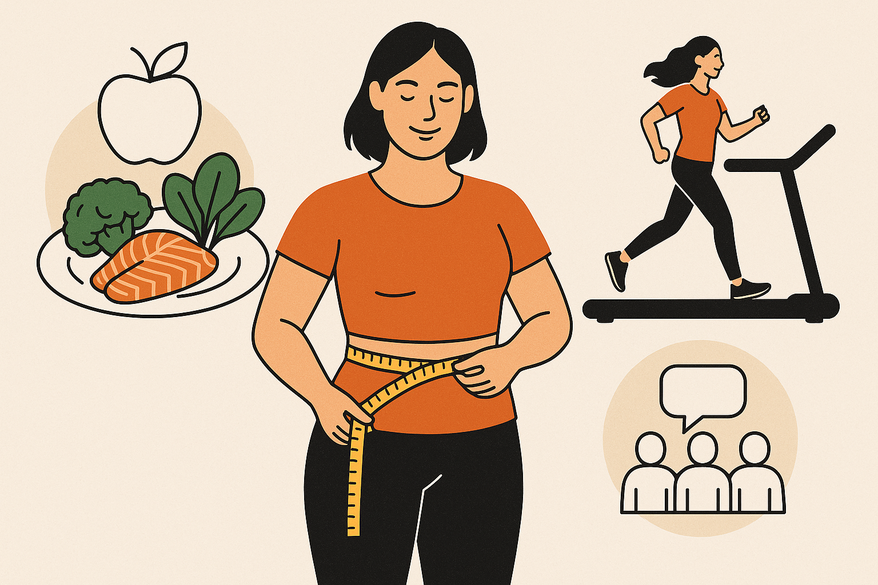
Balanced Meals:
- 25–30 g protein per meal to preserve muscle
- 25–35 g fiber daily from vegetables, fruits, and whole grains
- Healthy fats (olive oil, nuts) for fullness
Regular Physical Activity: ≥150 minutes/week moderate aerobic exercise and 2–3 strength sessions/week.
Mindful Eating: eat slowly, focus on hunger/fullness cues, avoid distractions.
Meal Planning: batch-cook proteins and vegetables; prep grab-and-go snacks; use our GLP-1 meal plan guide.
Professional Check-Ins: schedule dietitian or clinician visits every 4–12 weeks.
SMART Goals: Specific, Measurable, Achievable, Relevant, Time-bound.
Sources: Intermountain Healthcare, Mayo Clinic Community, Henry Ford Health.
Integrating Diet and Exercise
Diet controls calories and appetite while exercise preserves lean mass and boosts metabolism.
Dietary Approaches: nutrient-dense meals, 1.2–1.5 g protein/kg body weight daily, >25 g fiber/day.
Exercise Routines: 30 min brisk walking 5 days/week, resistance training 2–3×/week, optional yoga or HIIT.
Habit Formation: schedule workouts, log in a health app, reward consistency.
Sources: National Academy of Medicine, Intermountain Healthcare.
Monitoring Progress and Support
Accountability keeps you on track:
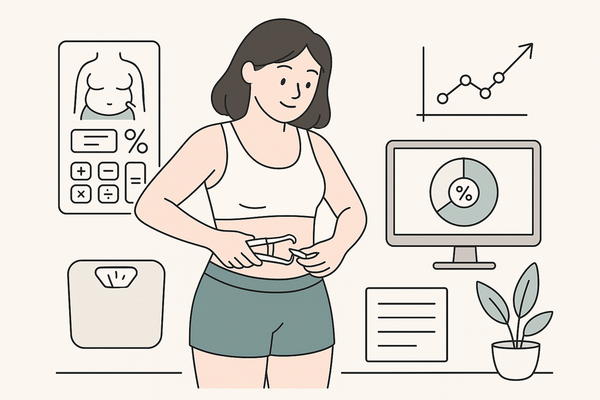
- Weekly weigh-ins
- Food/exercise logs (apps like MyFitnessPal)
- Body measurements and progress photos
To simplify logging, consider Trimm. Trimm turns your GLP-1 data into trend lines, projected goals, and milestone celebrations.
Learn more with our complete guide to tracking your GLP-1 weight loss journey.
Professional Support: primary care for labs, dietitian for nutrition, health coach for accountability.
Peer Support: group programs, accountability partner, online communities.
Sources: Intermountain Healthcare, Mayo Clinic Community.
FAQ
- What happens if I stop GLP-1 treatment?
Without lifestyle habits in place, most people regain weight lost on GLP-1 (NAM). - Can diet and exercise replace GLP-1 medication?
Best results occur when medication and lifestyle changes work together (Intermountain Healthcare). - Do I need to stay on GLP-1 forever?
Obesity is chronic; some may require long-term use to prevent regain (Mayo Clinic Community). - What should I ask my doctor?
Inquire about tapering plans, nutrition targets, exercise goals, and monitoring frequency (Henry Ford Health).