GLP-1 Supply Reminders: Manage Your Medication with Smart Alerts
Discover how GLP-1 supply reminders help you maintain consistent medication dosing with smart alerts, ensuring effective blood sugar control and weight management.

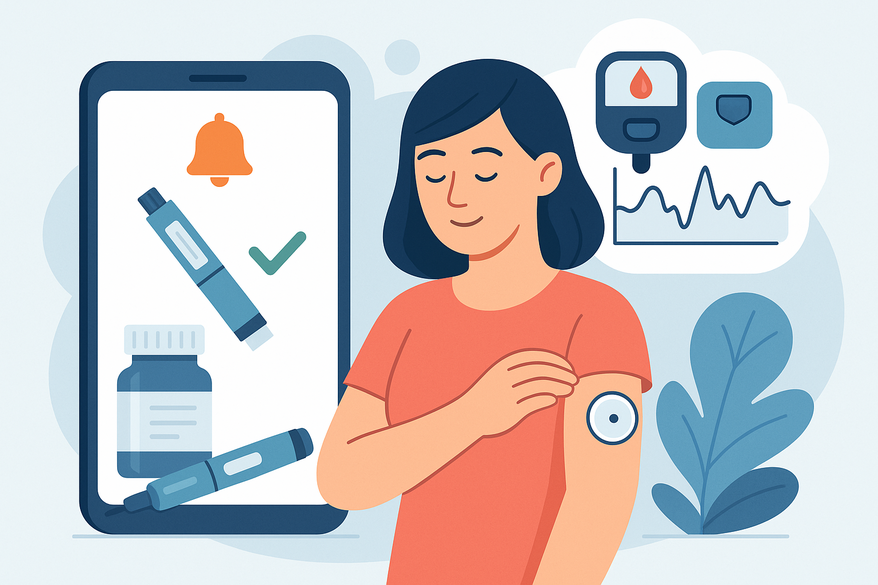
Estimated reading time: 8 minutes
Key Takeaways
- Consistency is critical. Uninterrupted GLP-1 dosing maximizes blood sugar control and weight-loss benefits.
- Plan ahead. Mapping your regimen and setting low-supply thresholds prevents gaps in therapy.
- Use smart tools. From built-in calendars to dedicated apps, reminders help you stay on track.
- Customize for your routine. Linking doses to habits and tuning alert styles boosts adherence.
- Troubleshoot effectively. Protocols for missed doses, refill delays, and titration reduce errors and stress.
Table of Contents
- What Is GLP-1 and Why Consistent Supply Matters
- The Risks of Running Out – Why Gaps in Supply Undermine Outcomes
- Map Your Regimen and Supply
- Setting Up Basic Smart Reminders on Phones & Calendars
- Using Dedicated Medication Apps
- Choosing the Right Tool for You
- Customizing Reminders to Your Routine
- Best Practices & Troubleshooting
- Conclusion
- FAQ
What Is GLP-1 and Why Consistent Supply Matters
GLP-1 (glucagon-like peptide-1) is a gut hormone that plays a key role in blood sugar regulation and appetite control. When you maintain a steady regimen of GLP-1 receptor agonists—such as semaglutide, liraglutide, tirzepatide, and dulaglutide—you benefit from:
- Stimulated insulin release in response to high blood sugar
- Suppressed glucagon to prevent unwanted glucose spikes
- Slowed gastric emptying for flatter post-meal sugar curves
- Appetite reduction and increased fullness signals
Clinical studies show improved A1C, significant weight loss, and reduced cardiovascular and kidney risks when dosing is uninterrupted. Effective GLP-1 supply reminders ensure you never miss a dose or a refill.
Learn more from the Cleveland Clinic and the PMC article.
The Risks of Running Out – Why Gaps in Supply Undermine Outcomes
Missing or delaying doses can:
- Revert progress on blood sugar control and weight loss
- Increase side-effect risk when restarting and re-titrating
- Confuse your dosing schedule, leading to errors
Smart GLP-1 supply reminders help you plan refills and maintain consistent therapy.
Source: BSW Health blog.
Map Your Regimen and Supply
Creating a clear supply map sets the stage for effective reminders:
- Record medication details. Include drug name, dose, and frequency.
- Calculate supply. Note doses per pack and current stock.
- Define a low-supply threshold. For example, alert at two remaining doses.
Example template:
| Drug Name | Dose | Frequency | Doses/Pack | Current Supply | Low-Supply Alert |
|---|---|---|---|---|---|
| Semaglutide | 1 mg | Weekly injection | 4 | 12 | 2 doses left |
| Rybelsus | 7 mg | Daily oral | 30 | 15 | 5 days left |
For a full walkthrough on tracking GLP-1 progress, see the complete guide.
Setting Up Basic Smart Reminders on Phones & Calendars
Use built-in tools to handle doses and refills:
- iOS Reminders/Android Clock: Create a recurring alert titled “GLP-1 injection – [drug & dose]” with two notifications (2 hours before and at dosing time).
- Google/Apple Calendar:
- “Take [drug & dose]” (daily/weekly) with pop-up + email alert
- “Check GLP-1 supply” every 3–4 weeks
- “Request refill” 7–10 days before low-supply date
Example (iOS Calendar): Tap “+”, enter title/date/time, select “Repeat,” add two custom alerts, and save.
Using Dedicated Medication Apps
Medication-specific apps offer advanced features:
- Medisafe
- MyTherapy
- Mango Health
Setup steps:
- Enter drug, dose schedule, and supply count.
- Enable dose reminders and refill alerts (e.g., supply ≤ threshold).
- Log doses as Taken or Skipped.
- Generate adherence reports for your clinician.
For an all-in-one solution that tracks doses, supplies, side effects, and meals, consider Trimm.
Choosing the Right Tool for You
Compare tool types:
- General reminder apps
- Medication-specific apps
- Digital calendars
- Wearables (smartwatches)
- Smart pill boxes or injection caps
Key criteria: ease of use, scheduling flexibility, supply tracking, data export, and privacy. Pick the simplest system you'll actually use.
Customizing Reminders to Your Routine
Integrate reminders with habits:
- Daily doses: after brushing teeth or before breakfast.
- Weekly injections: after a fixed event (e.g., Sunday TV show).
Tweak notification style (sound, vibration, pop-ups) and label format (“[Drug] [Dose] – injection/tablet”) to reinforce consistency.
Best Practices & Troubleshooting
Prepare for hiccups:
- Missed dose: Mark as “missed” in your app, follow leaflet/provider guidance, and don’t double dose.
- Refill delays: Check pharmacy status every 3 days, set early low-supply alerts, and ask about temporary alternatives.
- Common pitfalls: Tie weekly doses to fixed events, use early alerts, separate reminders per titration phase, and adjust time zones when traveling.
Sources: Cleveland Clinic, NAM insights.
Conclusion
Consistent dosing and supply are the cornerstones of effective GLP-1 therapy. By mapping your regimen, setting up reminders—whether via phone calendars or dedicated apps—and aligning alerts with your routine, you’ll maintain uninterrupted treatment and maximize benefits. Start setting up your GLP-1 supply reminders today to keep your therapy on track and work seamlessly with your healthcare team.
For further resources, revisit the complete tracking guide.
FAQ
-
Why are GLP-1 supply reminders important?
They prevent gaps in therapy, ensuring continuous blood sugar control and weight-loss support while avoiding side-effect spikes. -
What tools work best for reminders?
Start with what you already use—phone reminders or calendars—or explore medication apps like Medisafe, MyTherapy, Mango Health, or Trimm. -
How early should I set refill alerts?
Aim for a warning 7–14 days before your supply runs low to account for processing and shipping delays. -
What do I do if I miss a dose?
Mark it as missed, follow your product leaflet or provider advice, and do not double up on the next dose. -
Can I share my reminder logs with my provider?
Yes—apps like Trimm and MyTherapy can export adherence reports that help clinicians optimize your regimen.