Understanding GLP-1 for Diabetes: Mechanisms, Benefits, and Future Directions
Explore GLP-1 for diabetes: mechanisms, benefits like A1c reduction and weight loss, side effects, and future research directions for optimized treatment.

Estimated reading time: 8 minutes
Key Takeaways
- GLP-1 mimics the incretin hormone to regulate blood sugar.
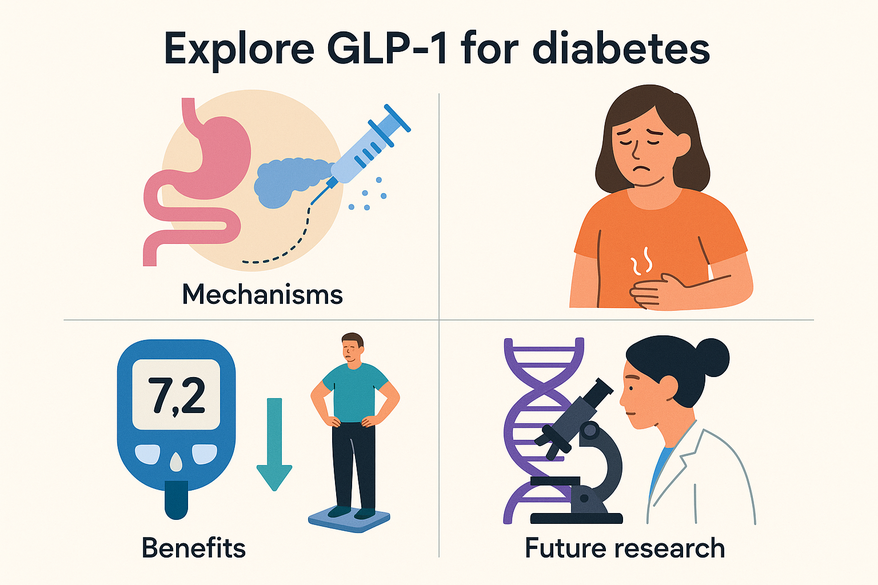
- Mechanisms: insulin secretion, glucagon suppression, slowed gastric emptying, and increased satiety.
- Clinical benefits include ≈1% A1c reduction, weight loss, and cardiovascular risk reduction.
- Common side effects: nausea, vomiting, diarrhea; serious concerns: pancreatitis and gallbladder issues.
- Future directions: dual agonists, oral formulations, extended-release injections, and expanded indications.
Table of Contents
- What Is GLP-1 for Diabetes?
- How GLP-1 Works for Diabetes
- Clinical Benefits and Research Evidence
- Considerations and Potential Side Effects
- Comparison with Other Diabetes Treatments
- Future Directions in Research
- Conclusion
- FAQ
What Is GLP-1 for Diabetes?
Glucagon-like peptide-1 (GLP-1) is an incretin hormone released by intestinal L-cells after a meal. It plays a key role in blood sugar management and weight control. When you eat, GLP-1:
- Stimulates glucose-dependent insulin secretion from pancreatic β-cells
- Suppresses glucagon release during periods of high glucose
- Slows gastric emptying to reduce post-meal glucose spikes
- Promotes satiety by acting on appetite centers in the brain
In type 2 diabetes, the natural incretin effect is diminished. Administering a GLP-1 receptor agonist or analog helps restore these functions, improving glycemic control and supporting weight loss.
How GLP-1 Works for Diabetes
GLP-1 therapies engage multiple pathways:
- Binding to GLP-1 receptors on β-cells increases insulin release in response to high glucose.
- Reducing α-cell glucagon secretion lowers hepatic glucose production.
- Slowing gastric emptying blunts postprandial blood sugar spikes.
- Activating brain satiety centers decreases caloric intake and aids weight loss.
Because these effects are glucose-dependent, the hypoglycemia risk is low when GLP-1 agents are used alone, and the gradual gastric emptying smooths out meal-time sugar surges.
Clinical Benefits and Research Evidence
Multiple clinical trials demonstrate that GLP-1 therapies provide:
- Glycemic control: ~1% reduction in A1c compared to placebo, with significant fasting and postprandial glucose decreases.
- Weight loss: Average reduction of 2–5 kg over 6–12 months due to enhanced satiety.
- Cardiovascular outcomes: Lower rates of major events in patients with existing heart disease.
In real-world practice, patients on weekly GLP-1 receptor agonists often report reduced hunger and an A1c drop of 0.8–1.2 points within 3–6 months.
Considerations and Potential Side Effects
While generally well-tolerated, GLP-1 therapies can cause:
- Common: nausea, vomiting, diarrhea—typically during dose escalation.
- Rare but serious: pancreatitis and gallbladder issues.
Safety tips:
- Begin with a low dose and titrate slowly to minimize gastrointestinal symptoms.
- Integrate diet and exercise for optimal results.
- Monitor kidney function, especially in patients with preexisting renal conditions.
- Adjust insulin or sulfonylurea dosages when initiating GLP-1 to avoid hypoglycemia.
For detailed management strategies, see our side effects guide.
Comparison with Other Diabetes Treatments
Key differences:
- Versus insulin: GLP-1 agents are glucose-dependent and promote weight loss, whereas insulin can cause weight gain and carries a higher hypoglycemia risk.
- Versus metformin: GLP-1 agonists are add-on therapies that improve satiety and gastric emptying, while metformin mainly reduces hepatic glucose production without significant effects on appetite.
Ideal candidates for GLP-1 therapy include those with type 2 diabetes and obesity, patients with cardiovascular disease, and individuals not meeting glycemic targets on metformin alone.
Future Directions in Research
Ongoing and emerging developments include:
- Dual and multi-agonists: Combining GLP-1 with GIP or glucagon receptor agonism for enhanced weight loss and glycemic control.
- Oral formulations: Pill-based GLP-1 therapies under study to improve convenience.
- Extended-release injections: Dosing every 2–3 weeks to boost adherence.
- Expanded indications: Obesity treatment in non-diabetic populations and cardiovascular prevention in high-risk patients.
Conclusion
GLP-1-based therapies harness the incretin pathway to deliver comprehensive metabolic benefits, including blood sugar regulation, weight loss, and cardiovascular risk reduction. We explored:
- The biology and mechanisms of GLP-1
- Clinical efficacy and safety considerations
- Comparisons with insulin and metformin
- Innovations on the horizon
For step-by-step guidance on tracking your dosing schedule, weight changes, meals, and symptoms, explore our comprehensive tracking guide. To seamlessly log your data in one place, consider using Trimm, an app designed for your GLP-1 journey.
FAQ
What are the main benefits of GLP-1 therapy?
GLP-1 therapies improve glycemic control by stimulating insulin secretion and suppressing glucagon, promote weight loss through increased satiety, and may reduce cardiovascular events.
What side effects should I expect?
Common side effects include nausea, vomiting, and diarrhea during dose escalation. Serious but rare concerns are pancreatitis and gallbladder issues.
Who is a good candidate for GLP-1 treatment?
Ideal candidates are patients with type 2 diabetes who need weight reduction, individuals with cardiovascular risk, and those not meeting targets with metformin alone.
How does GLP-1 compare to insulin and metformin?
Unlike insulin, GLP-1 agents are glucose-dependent and encourage weight loss. Compared to metformin, they directly affect satiety and gastric emptying as add-on therapies.
What developments are expected in GLP-1 research?
Future research focuses on dual agonists, oral formulations, extended-release dosing, and broader indications for obesity and cardiovascular prevention.